Understanding the religions map of the world offers fascinating insights. These maps illuminate the diverse spiritual landscape across continents. For individuals in the United States, exploring global religious distribution is increasingly relevant. It helps us grasp international relations, cultural movements, and demographic shifts. A current religions map of the world reflects dynamic changes in belief systems. It reveals areas where specific faiths dominate and regions with significant religious pluralism. Such visual tools are crucial for education, policy-making, and fostering interfaith dialogue. They are trending as people seek to understand a more interconnected yet religiously varied planet. These maps provide a foundational context for global events. They offer a unique lens through which to view human civilization and societal values. Dive into the intricate patterns of faith that shape our shared world. Discover the rich tapestry of spiritual expression. This information empowers informed discussions about global diversity and unity. It's more than just geography; it's about people and their deepest convictions.
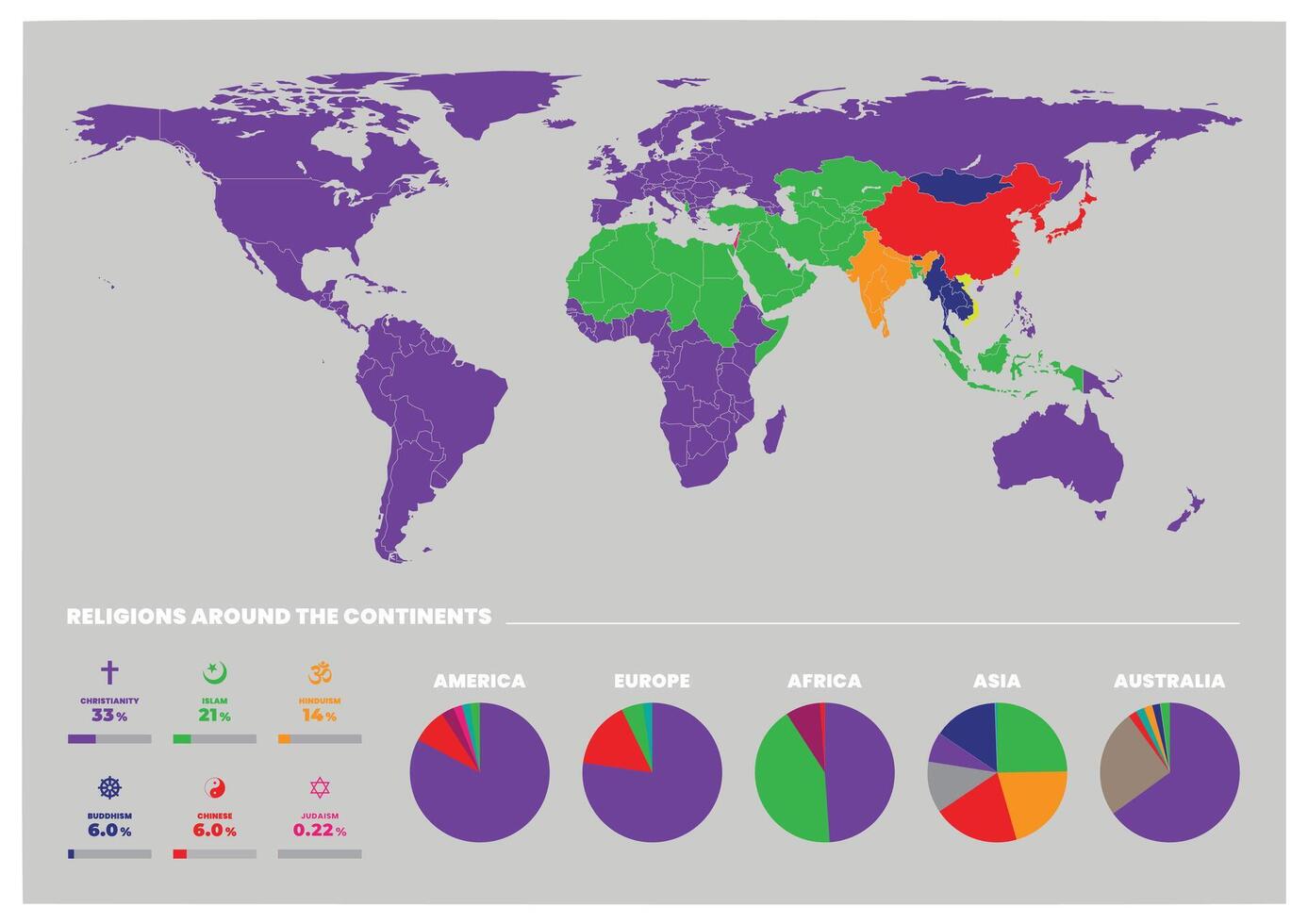
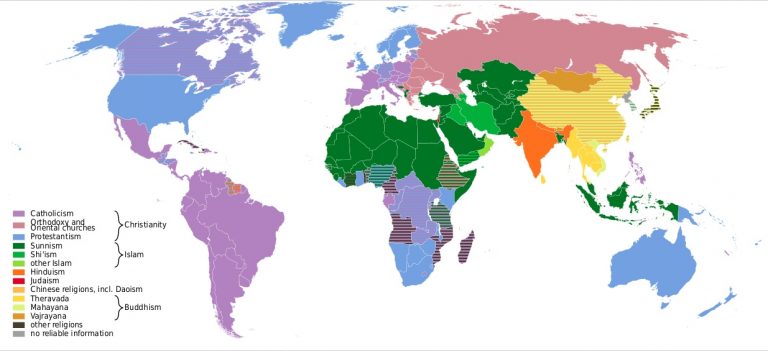
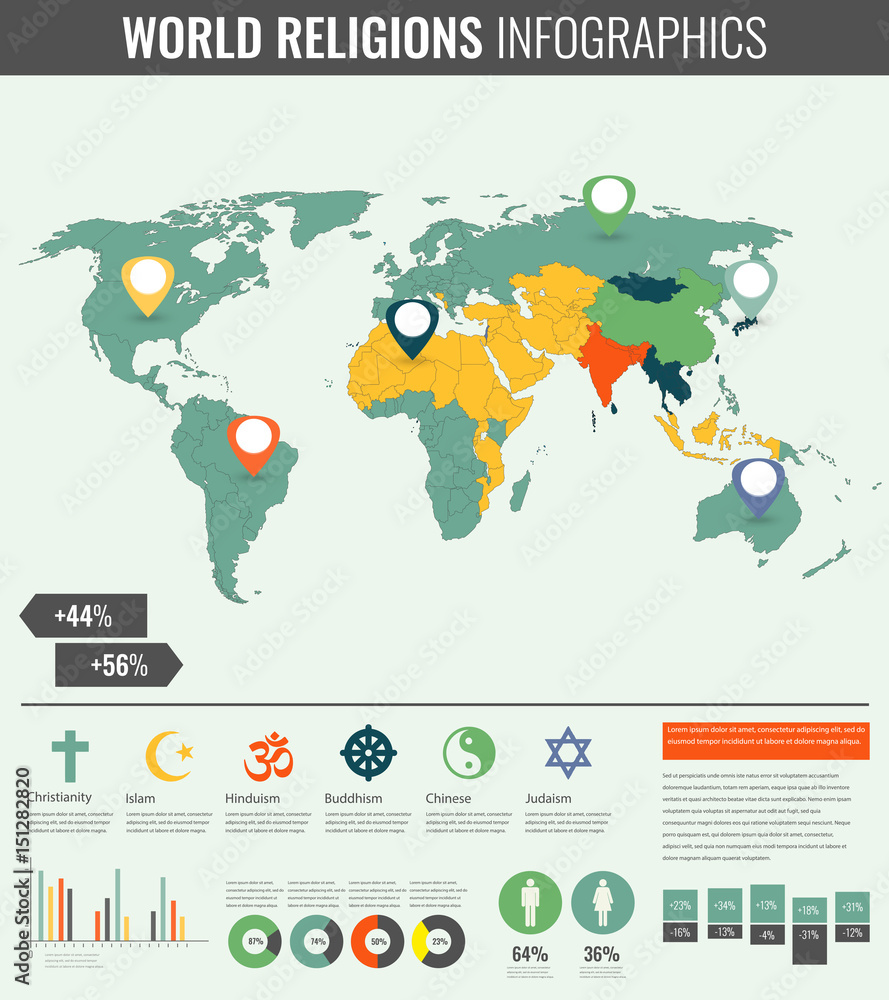
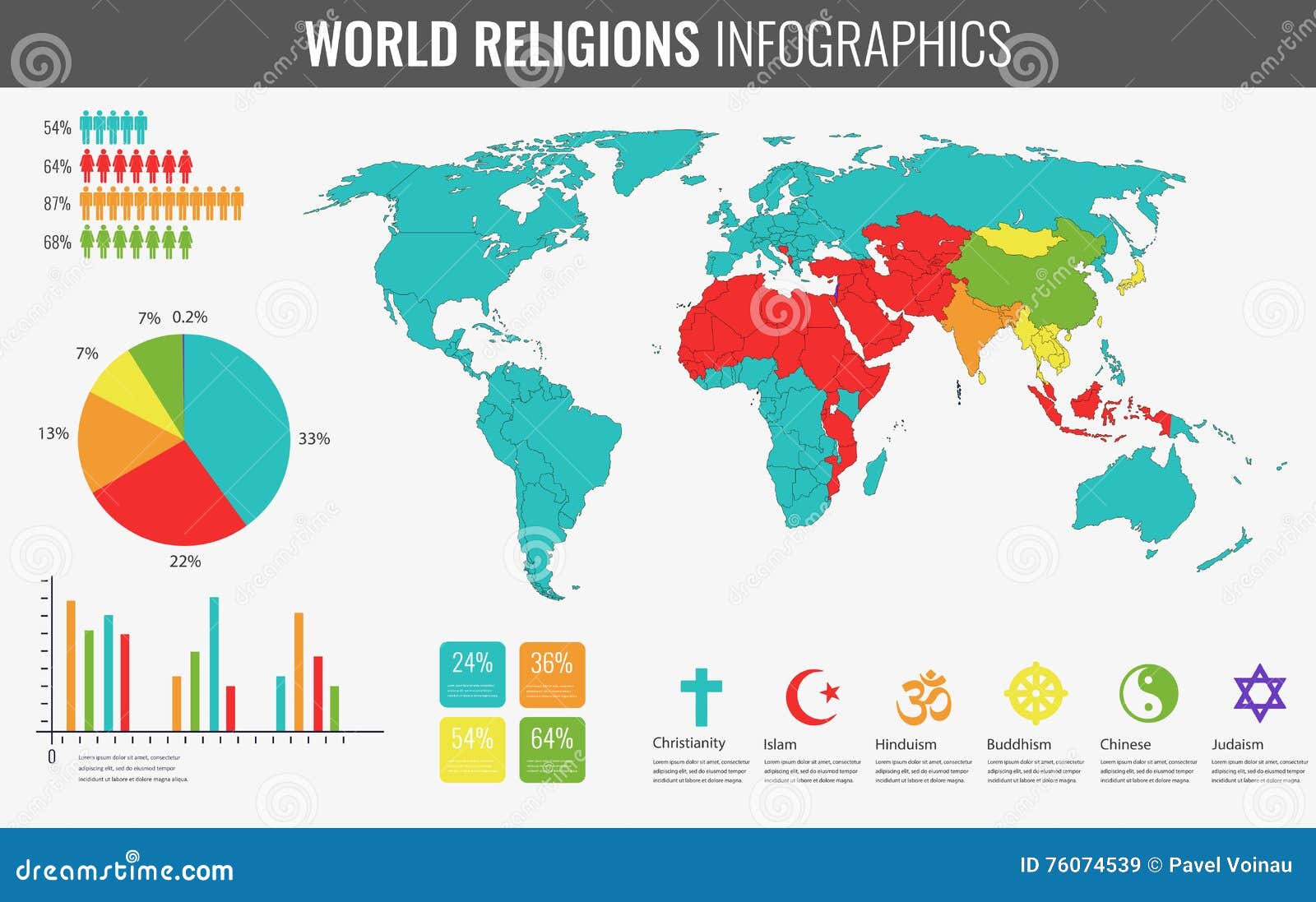
A religions map of the world visually represents the distribution of various faith traditions across the globe. These maps show where major religions like Christianity, Islam, Hinduism, Buddhism, and others are most prevalent. They offer insight into the spiritual landscape of humanity. Such maps help us understand cultural identities and geopolitical dynamics in 2026. They are essential tools for anyone studying global society.
Understanding the Global Religions Map of the World
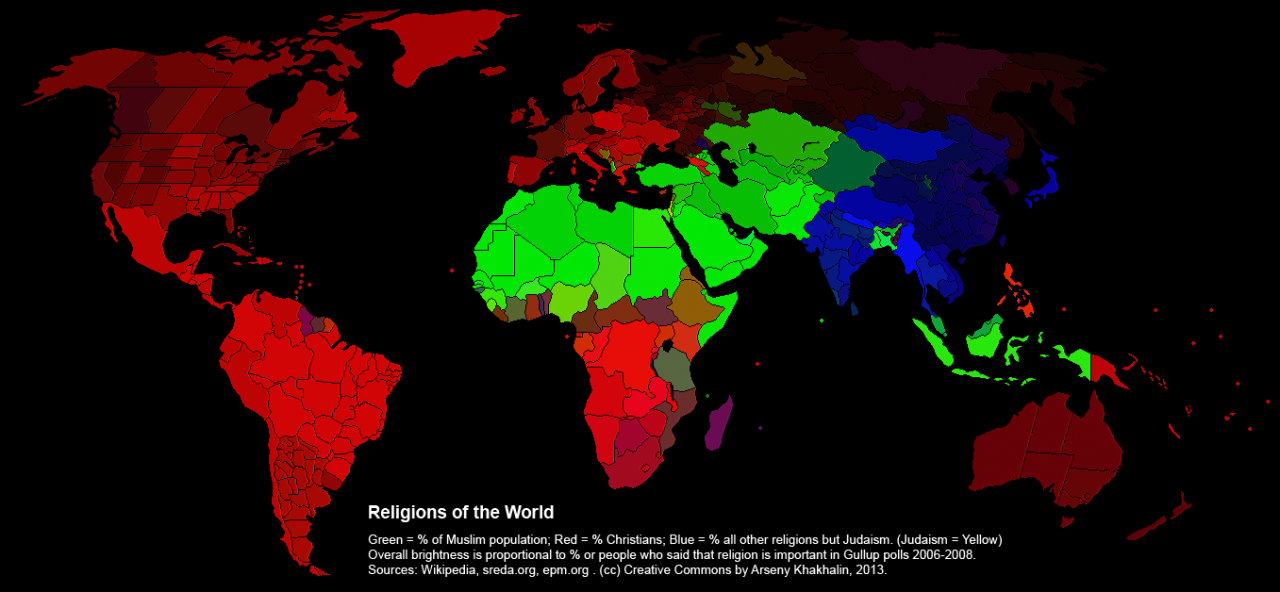
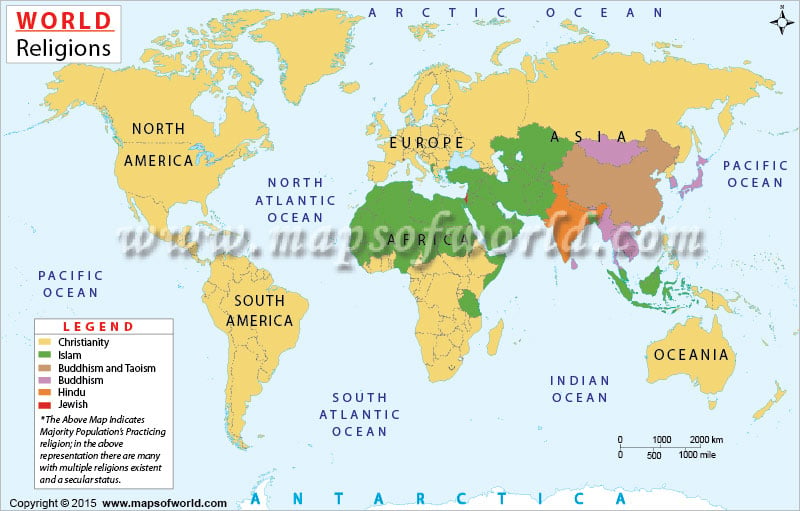
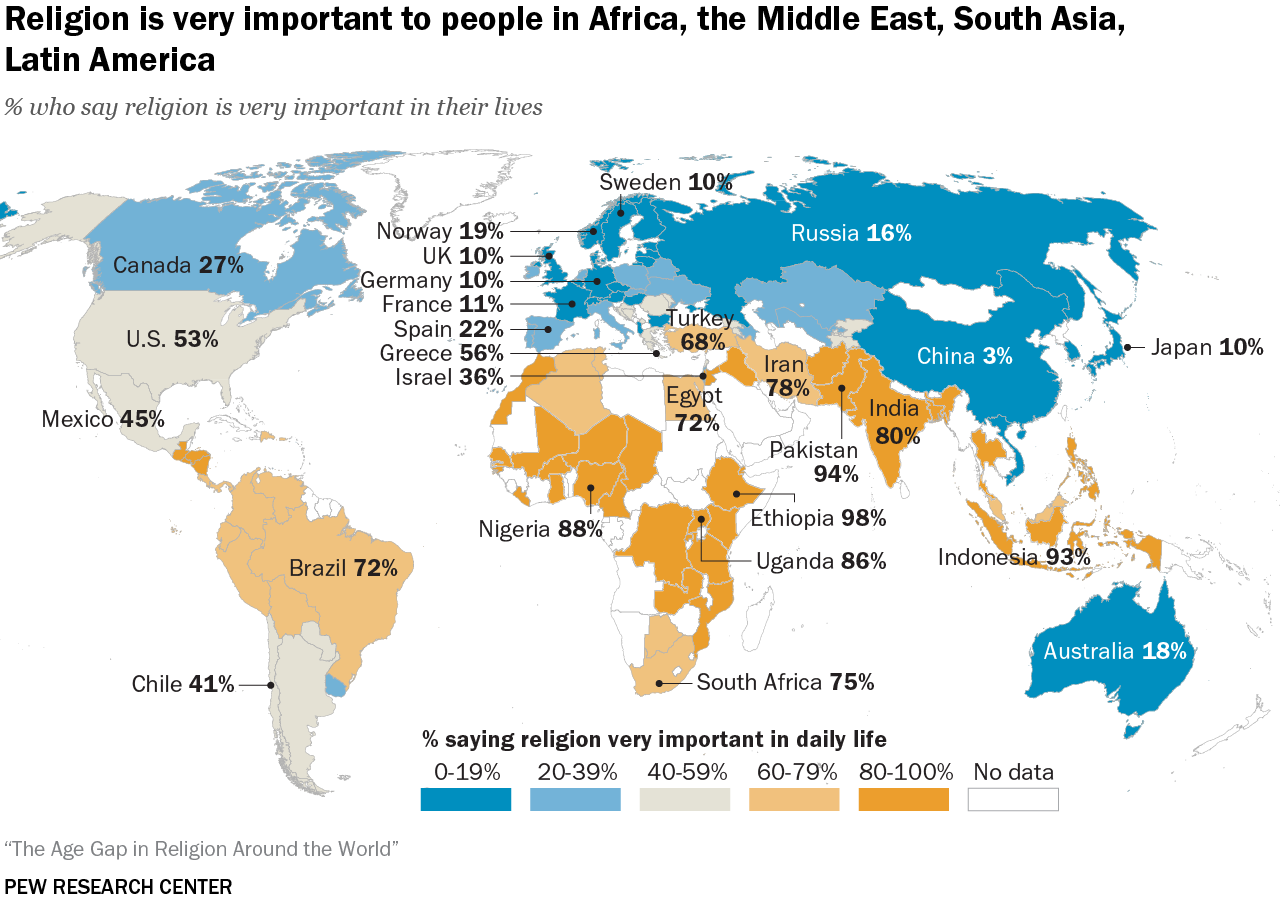
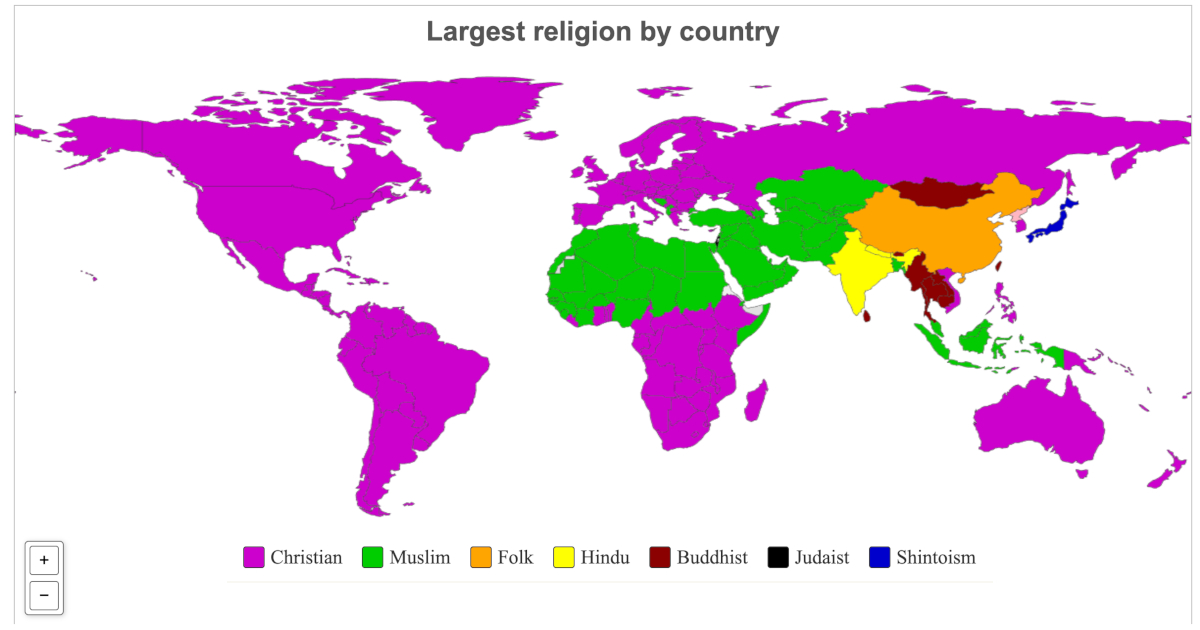
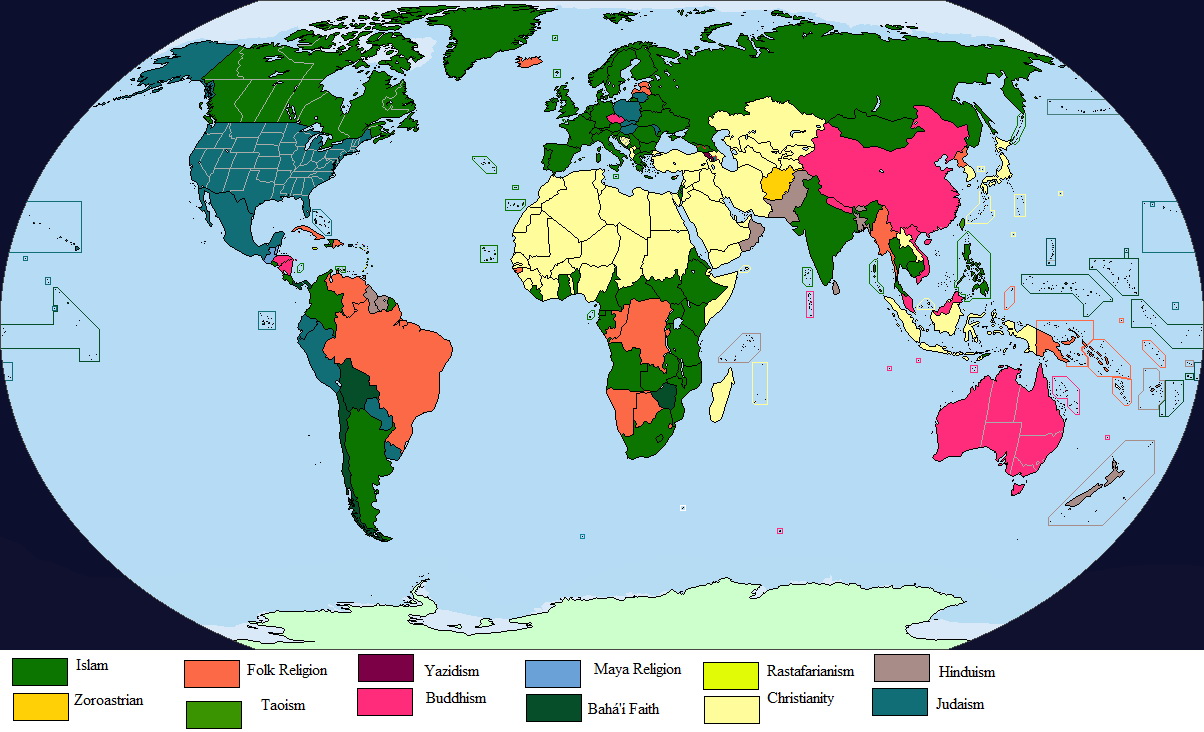
Exploring a religions map of the world reveals an incredible tapestry of belief. This visual guide helps us see how different faiths are spread globally. It showcases the primary religious traditions practiced in various countries. The map also highlights regions with diverse religious populations. Such information is vital for global citizens.
Major Religions and Their Reach on the Religions Map of the World
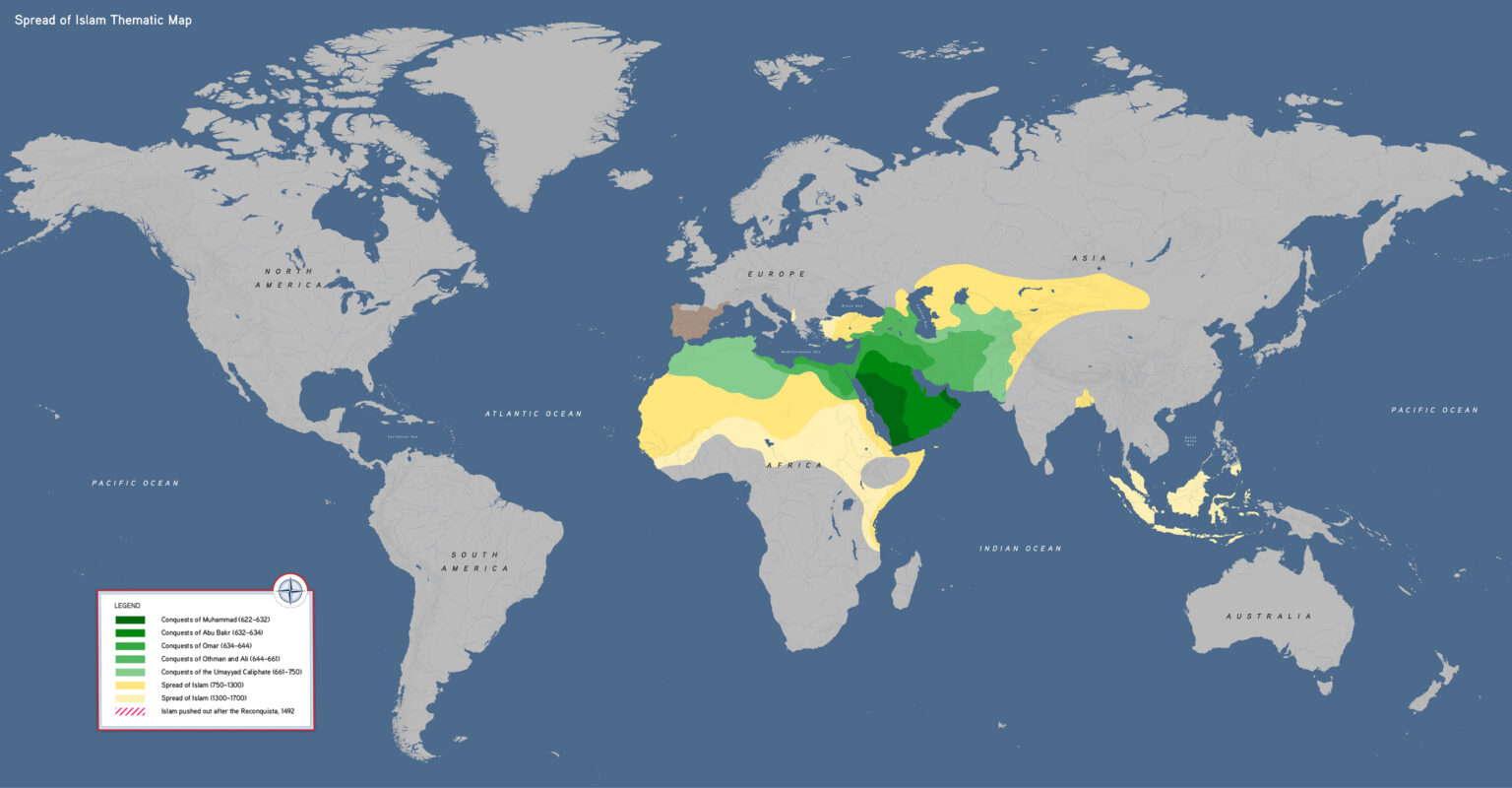
Christianity holds a significant global presence, extending across many continents. Islam is widespread, particularly in North Africa, the Middle East, and parts of Asia. Hinduism is predominantly concentrated in India and neighboring regions. Buddhism flourishes in East and Southeast Asia. Many smaller indigenous religions also contribute to this rich global pattern.
The Evolving Landscape of the Religions Map of the World
The religions map of the world is not static; it constantly evolves. Population growth, migration, and conversion influence these shifts. We see areas of religious growth and decline across different faiths. Tracking these changes helps us anticipate future social and cultural developments. It offers a snapshot of our changing world.
Importance of the Religions Map of the World for USA Audiences
For a United States audience, understanding the religions map of the world is crucial. It informs discussions on international affairs and cultural exchange. Many Americans have diverse backgrounds, making global religious literacy important. These maps foster a better understanding of interconnected global communities. They bridge cultural gaps effectively.
| Religion | Primary Regions of Adherence | Approximate Global Adherents |
| Christianity | Europe, Americas, Sub-Saharan Africa, Oceania | 2.4 Billion |
| Islam | North Africa, Middle East, Central Asia, Southeast Asia | 1.9 Billion |
| Hinduism | India, Nepal, Bangladesh, Sri Lanka | 1.2 Billion |
| Buddhism | East Asia, Southeast Asia, South Asia | 535 Million |
| Sikhism | Punjab Region (India), Global Diaspora | 30 Million |
| Judaism | Israel, North America, Europe | 15 Million |
| Other Religions/Indigenous Faiths | Various localized regions worldwide | 400 Million |
| Unaffiliated/No Religion | Globally, increasing in many Western countries | 1.2 Billion |
What Others Are Asking? about the Religions Map of the World
What is the most widespread religion on the religions map of the world?
Christianity is widely considered the most widespread religion globally. It has significant populations across Europe, the Americas, and Sub-Saharan Africa. Its adherents number over 2.4 billion worldwide, making it the largest faith in terms of total followers and geographic reach. The religions map of the world clearly illustrates this broad distribution.
How many major religions are typically shown on a religions map of the world?
A typical religions map of the world usually highlights about five to seven major global religions. These often include Christianity, Islam, Hinduism, Buddhism, Sikhism, Judaism, and sometimes indigenous or folk religions. The selection focuses on faiths with the largest global followings and distinct geographical concentrations, providing a clear overview.
Has the religions map of the world changed significantly over time?
Yes, the religions map of the world has changed considerably throughout history. Factors like missionary efforts, colonialism, migration, and geopolitical events have reshaped religious distributions. Modern trends show shifts in adherence, with some faiths growing in new regions and others experiencing decline or increased secularization. Maps reflect these dynamic historical evolutions.
What does religious pluralism look like on a religions map of the world?
Religious pluralism on a religions map of the world is represented by regions where multiple major faiths coexist significantly. These areas often show mixed colors or distinct pockets of different religious communities within a country. It indicates a diverse spiritual landscape rather than dominance by a single faith, highlighting cultural richness.
Why is a current religions map of the world important for global understanding?
A current religions map of the world is vital for global understanding. It helps us interpret international relations, cultural practices, and demographic trends. These maps provide context for news events and foster interfaith dialogue. They highlight the incredible diversity of human belief, promoting empathy and informed perspectives on world affairs.
FAQ about the Religions Map of the World
What is a religions map of the world?
A religions map of the world visually displays the geographical spread of different religions. It uses color codes to show where major faith traditions are most prevalent. These maps help us understand global religious demographics. They are navigational tools for cultural and historical study.
Who uses a religions map of the world?
Geographers, historians, educators, journalists, and policymakers all use a religions map of the world. Individuals curious about global cultures also find these maps useful. They provide valuable data for research and general knowledge. Anyone seeking to understand global demographics benefits.
Why is studying the religions map of the world important?
Studying the religions map of the world is important for cultural literacy. It helps people understand global conflicts, alliances, and cultural norms. These maps offer context for international events. They promote a more informed and empathetic view of diverse societies worldwide.
How do changes appear on a religions map of the world?
Changes on a religions map of the world appear through updated demographic data. These updates reflect population shifts, migration, and conversions. Cartographers revise maps to show new dominant faiths or increased pluralism. Technology allows for dynamic, real-time representations of these evolving patterns.
Global distribution of major religions is clearly visible. Dominant faiths vary significantly by continent and region. Religious diversity and pluralism are increasing in many areas. Historical migrations and colonialism shaped current patterns. Modern trends show shifts in religious adherence. Understanding these maps aids cultural and geopolitical comprehension. They highlight areas of both conflict and cooperation.
Major World Religions Populations Pie Chart Statistics List Faith Vs Reason Debate 2 World Map Of Religions Around The Continents Horizontal Format 66894995 World Map Of Religions Around The Continents Horizontal Format Vector Key Findings From The Global Religious Futures Project Pew Research 2
Detailed Maps Of The World S Religions Vivid Maps World Map Spread Of Islam 1536x800 Detailed Maps Of The World S Religions Vivid Maps Religions 768x351 World Religions Map MediaDetailed Maps Of The World S Religions Vivid Maps
Detailed Map Of The World S Religions Vivid Maps Religions Map Of The World The 5 Major Religions Of The World World Religions Map WORLD RELIGIONS MAP 01 World Religions Map 1000 F 151282820
5 World Religions Map Sddefault World Religions Map PBS Sj14 Int Religmap Thematic Map Religion World Religion Map Infographic E2 80 93 Global Faith Template 11706823 !bwr80011 Maps To Help You Make Sense Of World Religion Religions In The World By Regions
Religions Of The World World Religions Map Vector World Religion Map Faiths Across The Globe 5 8 768x433 World Religions Map World Dominant Religion Stock Vector Royalty Free Stock Vector World Religions Map Of The World With Dominant Religion Vector 1330059512 World Religions Map Tumblr 1280
Detailed Maps Of The World S Religions Vivid Maps Religion Detailed Maps Of The World S Religions Vivid Maps Religions 300x152 World Religions Infographic With Map Charts Vector Image World Religions Infographic With Map Charts Vector 10323798 World Religions Infographic With World Map Charts Vector Image World Religions Infographic With World Map Charts Vector 10323807
World Religions Infographic With World Map Charts And Other Elements World Religions Infographic World Map Charts Other Elements Vector 76074539 Religions AP Human Geography Revision Notes 48323 World Of Majority Religion Religions Of The World Religions Of The World Map Life After 40 Religion
Jesus Accurately Predicted The Future Rk Og World Religions Map 1200 630 World Religion Map Faiths Across The Globe 4 8