The intricate network of rivers crisscrossing the United States is far more than just blue lines on a map; it represents the very lifeblood of a nation, shaping its history, economy, and culture since time immemorial. Understanding the rivers on a US map is essential for anyone seeking to grasp the geographical, ecological, and economic underpinnings of America. From the mighty Mississippi, a legendary artery that has sustained communities and commerce for centuries, to the awe-inspiring Colorado, carving majestic canyons, these waterways are crucial for agriculture, transportation, power generation, and providing vital habitats for countless species. This article explores the significance of these natural wonders, delving into how they have influenced settlement patterns, facilitated trade routes, and continue to fuel industries. We will unpack the role of major river systems, discuss their environmental challenges, and illuminate why these flowing giants remain indispensable to American life and progress, guiding us through a compelling journey across the nations diverse landscapes and the powerful currents that define them. Get ready to embark on an insightful exploration of Americas vital rivers.
Have you ever stopped to truly consider the magnificent arteries that define the United States, those winding blue lines that shape our physical and cultural landscape? We are talking about the iconic rivers on a US map, natural wonders that tell stories of exploration, settlement, and sustained progress. What exactly are these vital waterways, and how have they influenced who we are as a nation? From the earliest indigenous peoples who depended on them for sustenance and travel, to the European explorers who used them as pathways into uncharted territories, and right up to modern industries relying on them for commerce and energy, these rivers have always been at the heart of American development. Where do these significant rivers flow, and why have they been so incredibly crucial to our growth and prosperity throughout history? They traverse nearly every state, from the eastern seaboards flowing streams to the vast western canyons, providing everything from drinking water to hydroelectric power, facilitating agricultural bounties, and enabling efficient transportation of goods. How do these diverse river systems continue to impact our daily lives and what challenges do they face in an ever-changing world? We are going to explore how they sculpt our land, nurture our ecosystems, and remain indispensable for our future, making it clear that a US map is truly incomplete without understanding the dynamic forces of its rivers.
The Mississippi River: Americas Lifeline on the US Map
When we look at the rivers on a US map, it is virtually impossible to overlook the colossal presence of the Mississippi River, often affectionately called Old Man River. But why is this particular river so profoundly important to the United States, and how has it shaped the very fabric of our history and economy? Stretching approximately 2,340 miles from its humble beginnings at Lake Itasca in Minnesota all the way down to the Gulf of Mexico in Louisiana, the Mississippi drains all or part of 32 U.S. states and two Canadian provinces, making it the second-longest river in North America and the fourth-largest watershed in the world. Who has benefited most from this immense waterway, and what roles has it played through the ages? From serving as a critical transportation corridor for Native American tribes and later for European fur traders, to becoming a bustling highway for steamboats carrying cotton, timber, and grain during the 19th century, the Mississippi has always been a central artery for commerce and migration. Think about how much of the nations agricultural heartland, the vast farmlands of the Midwest, relies on its waters for irrigation and fertile soil deposition. The sheer volume of goods moved along its currents daily still underpins significant portions of our economy, demonstrating its enduring power. It truly is the defining natural feature across the central plains.
Navigating the Mighty Missouri: A Tributarys Tale on the US Map
Just as integral to understanding the rivers on a US map is recognizing the Missouri River, often considered the Mississippis most substantial tributary, yet a monumental river in its own right. What makes the Missouri so significant, and how did it earn its place as the longest river in North America, even surpassing its famous cousin? Flowing for about 2,341 miles from the Rocky Mountains of western Montana, through seven states, before joining the Mississippi just north of St. Louis, Missouri, this river was the primary pathway for the Lewis and Clark Expedition in the early 19th century. Who were these explorers, and what did their journey reveal about the rivers potential? Their epic exploration opened up the American West, demonstrating the rivers incredible utility for westward expansion and connecting distant lands. Where would American settlement be without the Missouri? It provided a vital route for pioneers, enabling access to new territories and facilitating the growth of towns and cities along its banks. Why is it still so important today? Beyond its historical significance, the Missouri continues to support vast agricultural operations, supplies drinking water to millions, and generates hydroelectric power, contributing immensely to the economic vitality of the states it traverses. Its intricate journey showcases the incredible interconnectedness of our nations river systems.
The Colorado River: Western Wonder on the US Map
When our gaze shifts westward on the US map, the Colorado River immediately captures attention, not just for its breathtaking beauty but for its profound impact on an arid region. What makes the Colorado River such a critical, yet often embattled, resource for the American West, and how has it shaped the lives of millions? Originating in the Rocky Mountains of Colorado, this river flows approximately 1,450 miles through seven U.S. states—Colorado, Utah, Arizona, Nevada, California, Wyoming, and New Mexico—and into Mexico, carving out iconic landscapes like the Grand Canyon along its path. Why is it often called the Lifeline of the Southwest? Simply put, it supplies drinking water to over 40 million people, irrigates nearly 5.5 million acres of farmland, and generates significant hydroelectric power, making vibrant cities like Las Vegas, Phoenix, and Los Angeles possible in what would otherwise be desert. Who relies on its precious waters, and what challenges does its overuse present? Farmers, urban residents, and Native American tribes all depend on the Colorado, and the increasing demand, coupled with persistent drought, has led to severe water scarcity issues, posing complex questions about sustainable management for future generations. Its struggle is a stark reminder of humanitys impact on these essential natural systems.
Sculpting the Grand Canyon: How the Colorado River Shaped a Landmark
It is impossible to discuss the Colorado River and its appearance on the US map without marveling at its most famous creation: the Grand Canyon. How exactly did this river manage to sculpt such an immense and iconic geological wonder, and what does it tell us about the power of natural forces over millennia? Over millions of years, the relentless flow of the Colorado River, combined with tectonic uplift of the Colorado Plateau, gradually eroded layers of rock, exposing billions of years of geological history in the canyon walls. What kind of geological processes were involved, and how can we even begin to comprehend such a timescale? The river acted as a powerful chisel, steadily grinding away at the earth, carrying sediment downstream and deepening the canyon at an astonishing rate when viewed over vast periods. Where can one witness this incredible feat of erosion? The Grand Canyon National Park in Arizona offers unparalleled views, inviting millions of visitors annually to gaze upon this natural spectacle. Why is it such a significant site not just for tourism, but for scientific study? Geologists and paleontologists continue to uncover vital clues within its strata, helping us understand Earths ancient past, making it a living classroom for studying geological processes and the enduring power of water.
The Columbia River: Pacific Northwests Powerhouse on the US Map
Moving to the Pacific Northwest on the US map, we encounter the magnificent Columbia River, a waterway that serves as a cornerstone for both economic vitality and ecological richness in the region. What makes the Columbia so uniquely significant, and how has it become a symbol of both natural grandeur and human ingenuity? Flowing approximately 1,243 miles from its source in British Columbia, Canada, through Washington and Oregon, before emptying into the Pacific Ocean, the Columbia River boasts the largest volume of water of any river flowing into the Pacific from North America. Who has harnessed its immense power, and for what purposes? The river is famous for its extensive system of hydroelectric dams, including the Grand Coulee Dam, which provide a substantial portion of the Pacific Northwest’s electricity, powering homes and industries alike. When did these massive projects begin, and what was their impact? Beginning in the early to mid-20th century, these projects transformed the region, making it an industrial hub, but also altering the natural flow and impacting fish populations, particularly salmon. Why is careful management of this river so crucial today? Balancing energy needs, agricultural irrigation, transportation, and protecting vital salmon runs remains a complex, ongoing challenge, highlighting the delicate interplay between human development and environmental stewardship.
| River Name | Length (approx.) | Key States/Regions | Primary Significance |
|---|---|---|---|
| Mississippi River | 2,340 miles | Midwest, South | Transportation, Agriculture, Trade, Ecosystems |
| Missouri River | 2,341 miles | Midwest, West | Historical Exploration, Agriculture, Water Supply |
| Colorado River | 1,450 miles | Southwest | Water Supply, Hydroelectric Power, Grand Canyon |
| Columbia River | 1,243 miles | Pacific Northwest | Hydroelectric Power, Transportation, Salmon Fishing |
| Rio Grande | 1,896 miles | Southwest (US-Mexico border) | International Border, Agriculture, Water Supply |
| Ohio River | 981 miles | Midwest, East | Transportation, Industry, Water Supply |
So, what have we learned about the rivers on a US map and their immense importance? These rivers are not just geographical features; they are the pulsing veins of America, providing life, sustenance, and pathways for progress. Who benefits from them? Everyone, from farmers needing irrigation to urban dwellers drinking their purified waters, and industries relying on their power and transportation routes. What makes them so special? Their historical role in shaping settlement and exploration, their ongoing economic contributions, and their incredible ecological diversity. When did they become crucial? From the dawn of human habitation on this continent, and they continue to be indispensable today. Where are these magnificent waterways found? Across the entire breadth of the nation, from the eastern plains to the western mountains. Why should we care about their future? Because their health and sustainable management are directly tied to our own well-being and prosperity. How can we ensure their longevity? Through informed conservation efforts, responsible water management, and continued public awareness of their invaluable role in our collective story. Its truly an inspiring perspective on our natural heritage.
Keywords: US rivers map, major American rivers, Mississippi River system, Colorado River importance, American waterways, river geography USA, economic impact of rivers, environmental river challenges, Columbia River, Missouri River.US rivers are vital for history, economy, and culture; Major rivers like the Mississippi and Colorado are economic and ecological powerhouses; Rivers support agriculture, transportation, energy, and wildlife; Understanding river systems is key to appreciating US geography and development; Environmental stewardship of rivers is a growing concern.
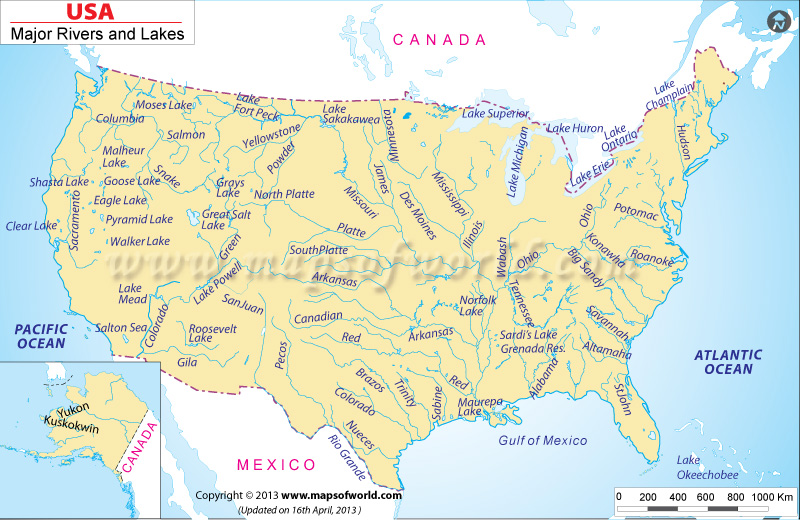 USA River Map Major Rivers And Waterways Usa River Map
 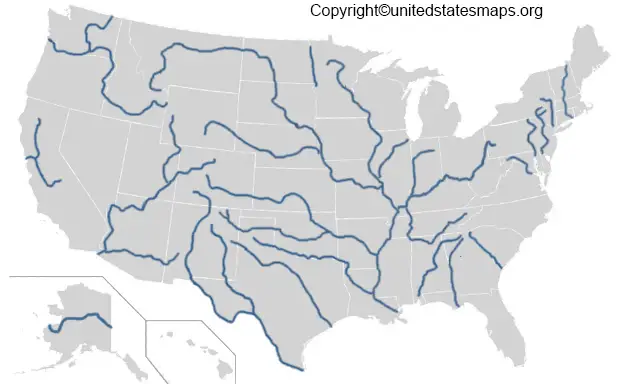 US River Map Rivers Of US On Map Map Of The USA Rivers Map Of Rivers Us
  USA Maps Explore The United States With High Quality Maps Usa River Map
 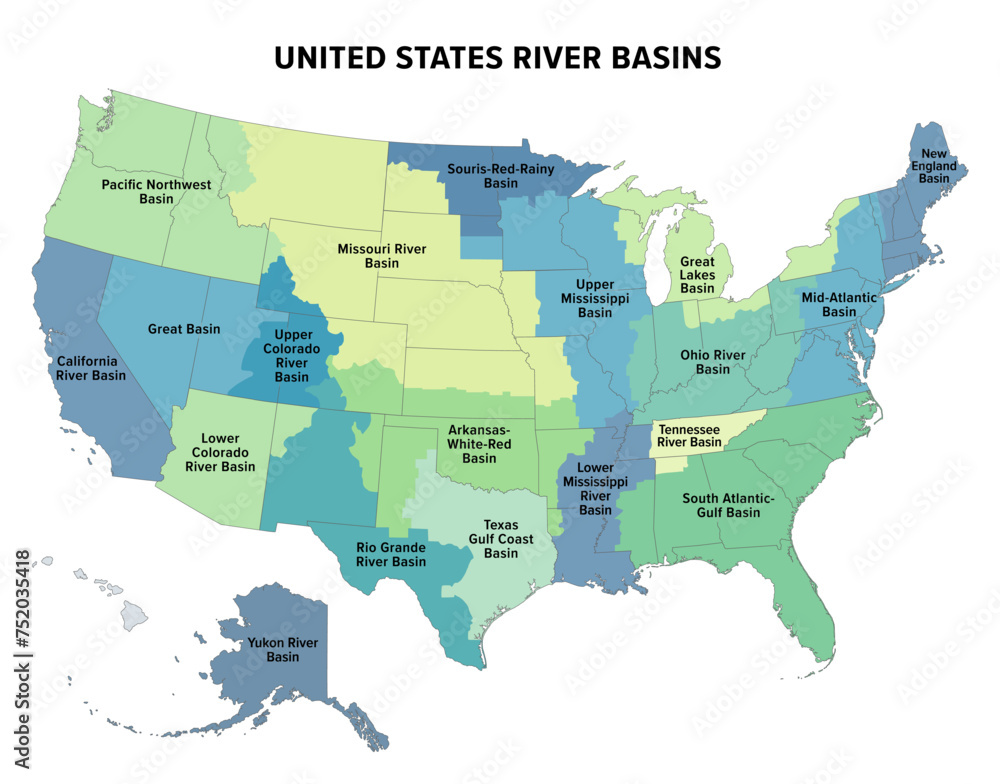 United States Major River Basins Political Map Nineteen Major River F
  United States Maps Legends Of America Worksheets Library Printable Map Of The United States With Rivers
 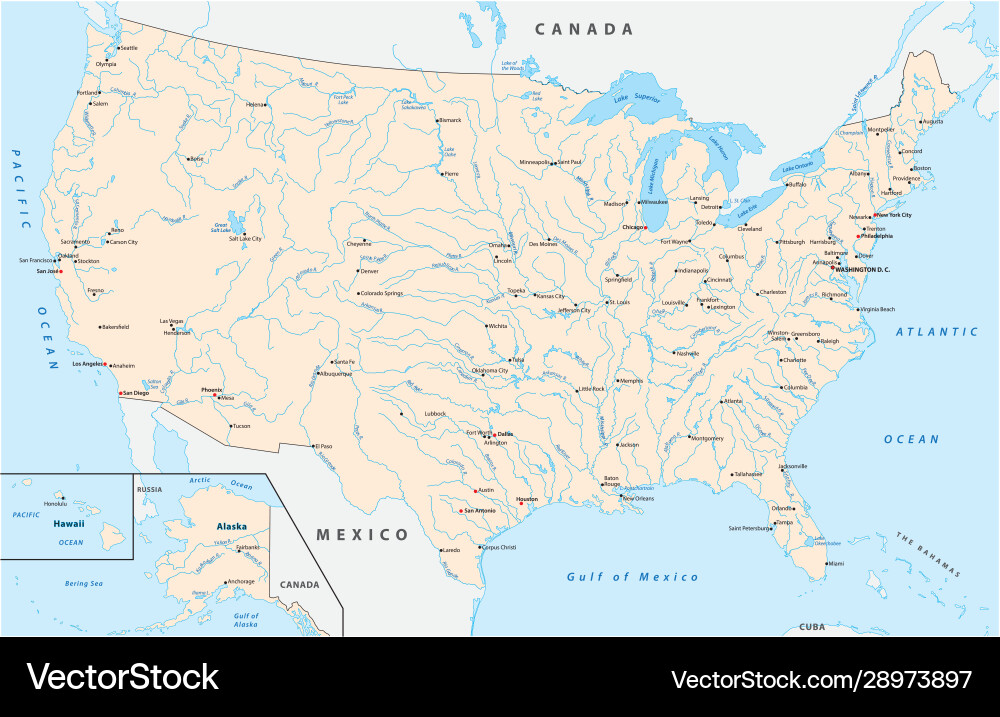 United States Map With Cities And Rivers Map United States With Major Cities And Rivers Vector
  United States Rivers Water Flows Map WhatsAnswer United States
 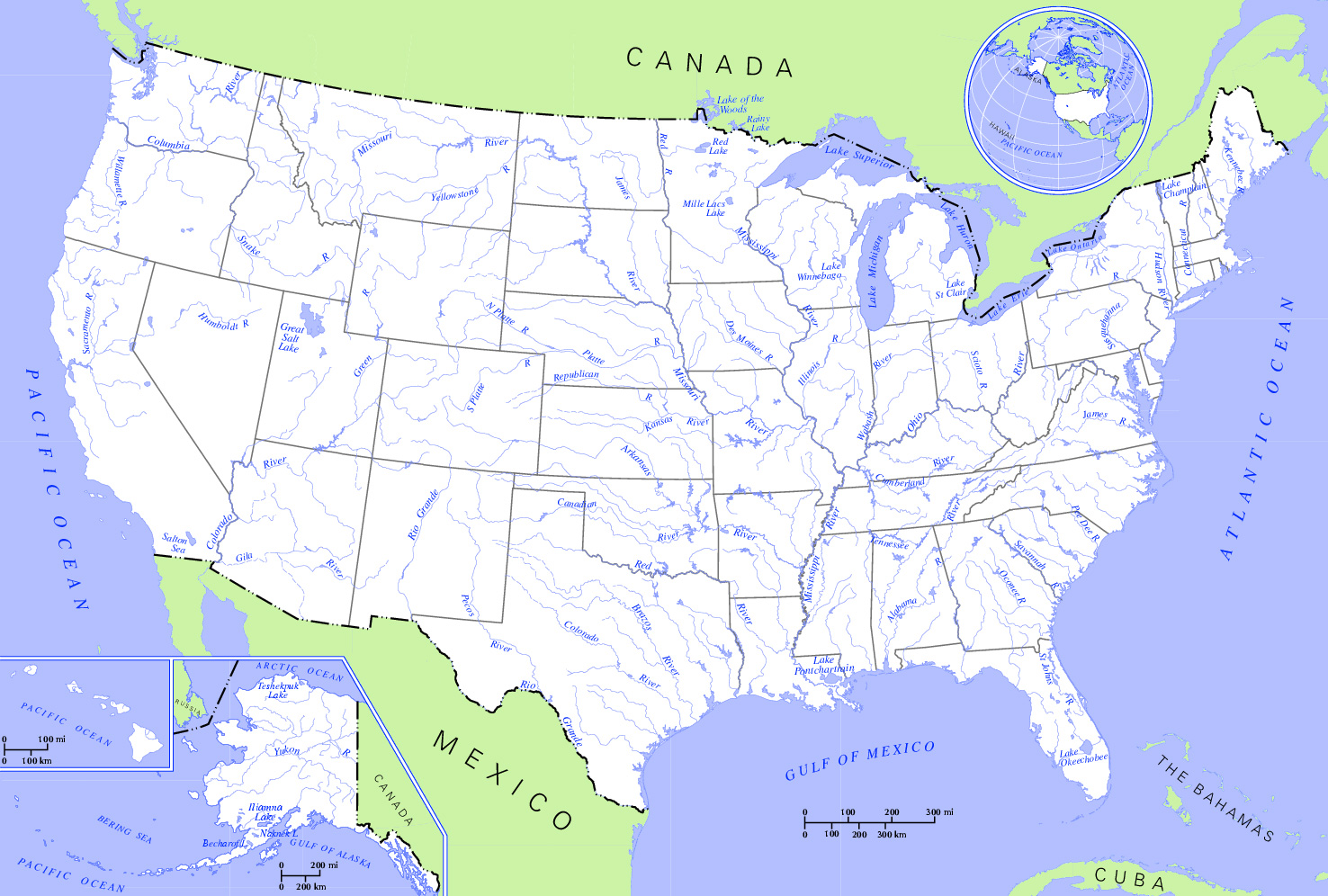 File US Map Rivers And Lakes Jpg Wikipedia US Map Rivers And Lakes
 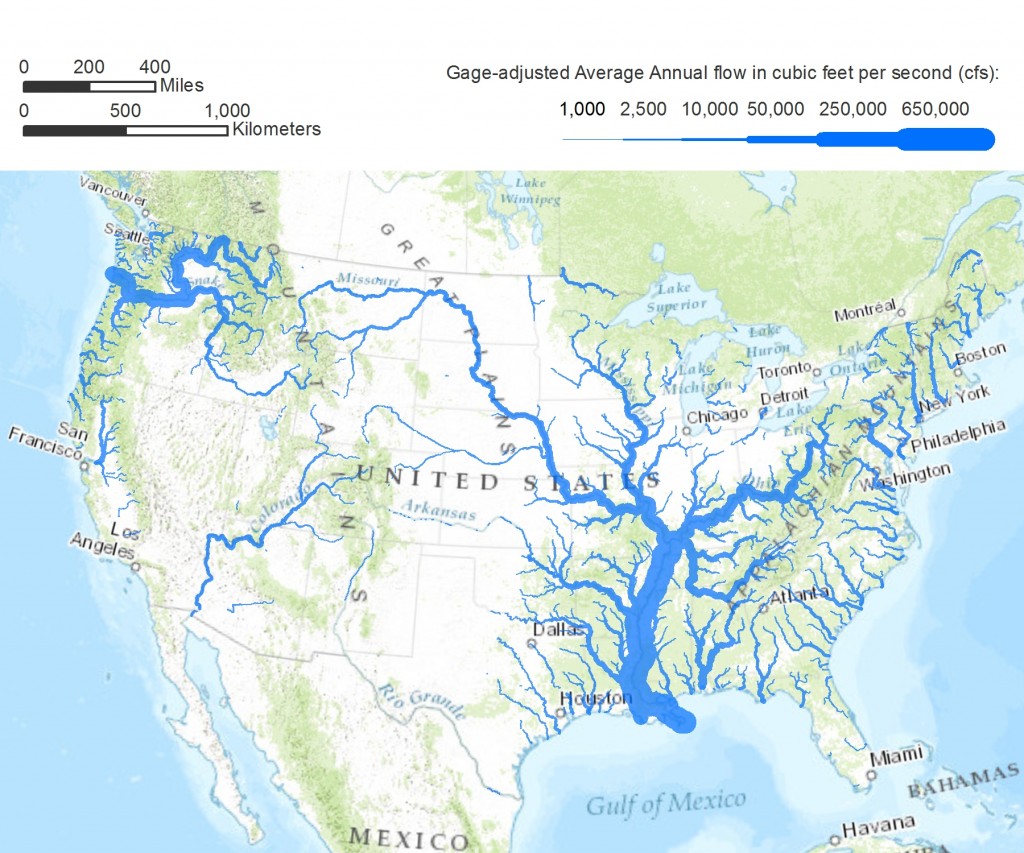 American Rivers A Graphic Pacific Institute American Rivers Gage Adjusted x
  Map Of Usa With All Rivers United States Map