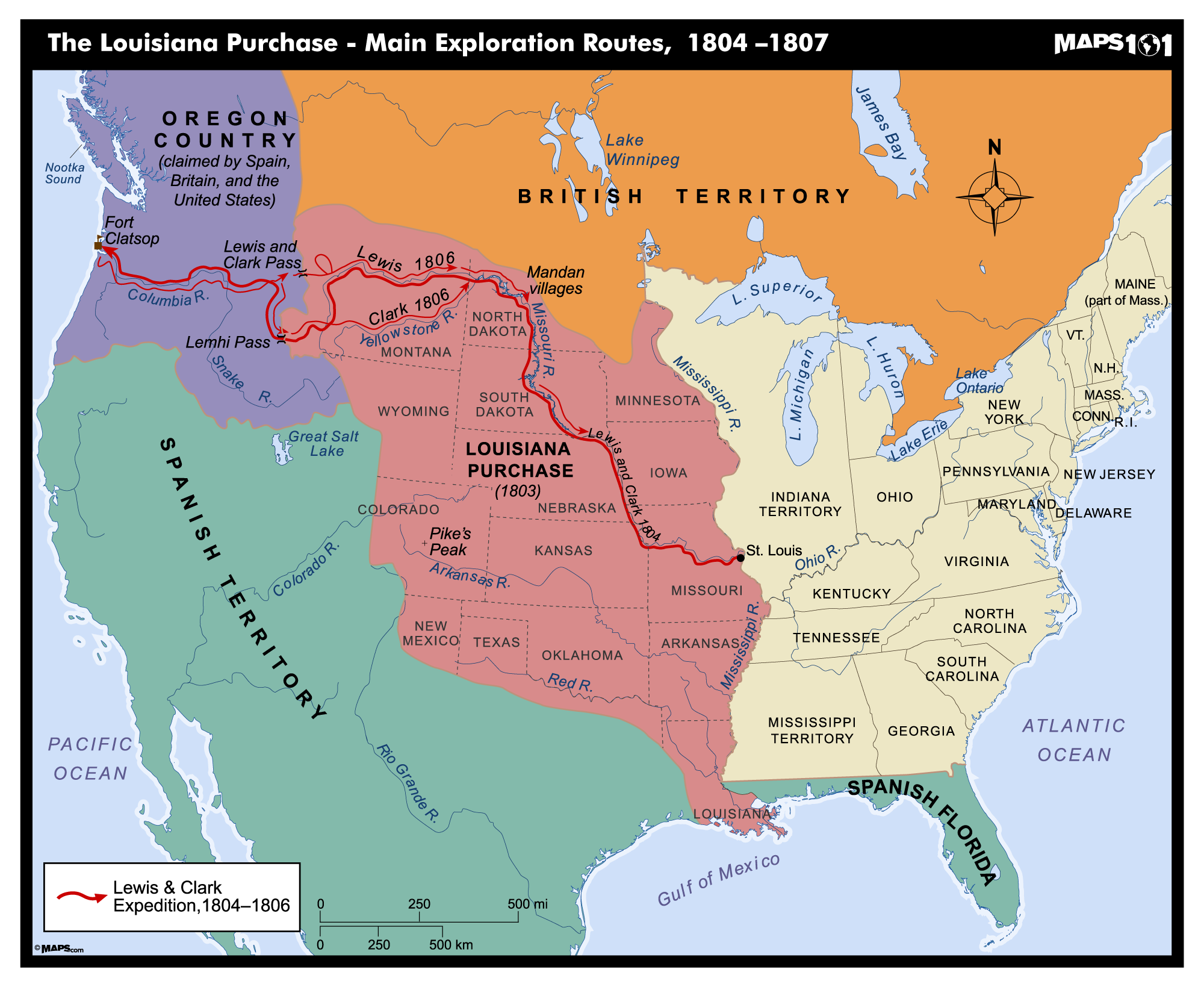
Understanding the US map 1803 Louisiana Purchase is crucial for grasping America's growth. This monumental land deal, signed by President Thomas Jefferson, fundamentally reshaped the nation's boundaries. It added an enormous 828,000 square miles to the young United States, stretching from the Mississippi River to the Rocky Mountains. This acquisition wasn't just about land; it was about securing vital trade routes, especially the port of New Orleans, and fulfilling the vision of an agrarian republic. The Louisiana Purchase dramatically altered the US map 1803, influencing westward expansion, indigenous populations, and future geopolitical strategies. Its impact continues to be a trending topic for those interested in American history and geographical evolution. Exploring the US map 1803 reveals a pivotal moment that set the stage for the continental nation we know today, making it a key focus for informational maps and historical navigation.
What states were part of the Louisiana Purchase on the US map?
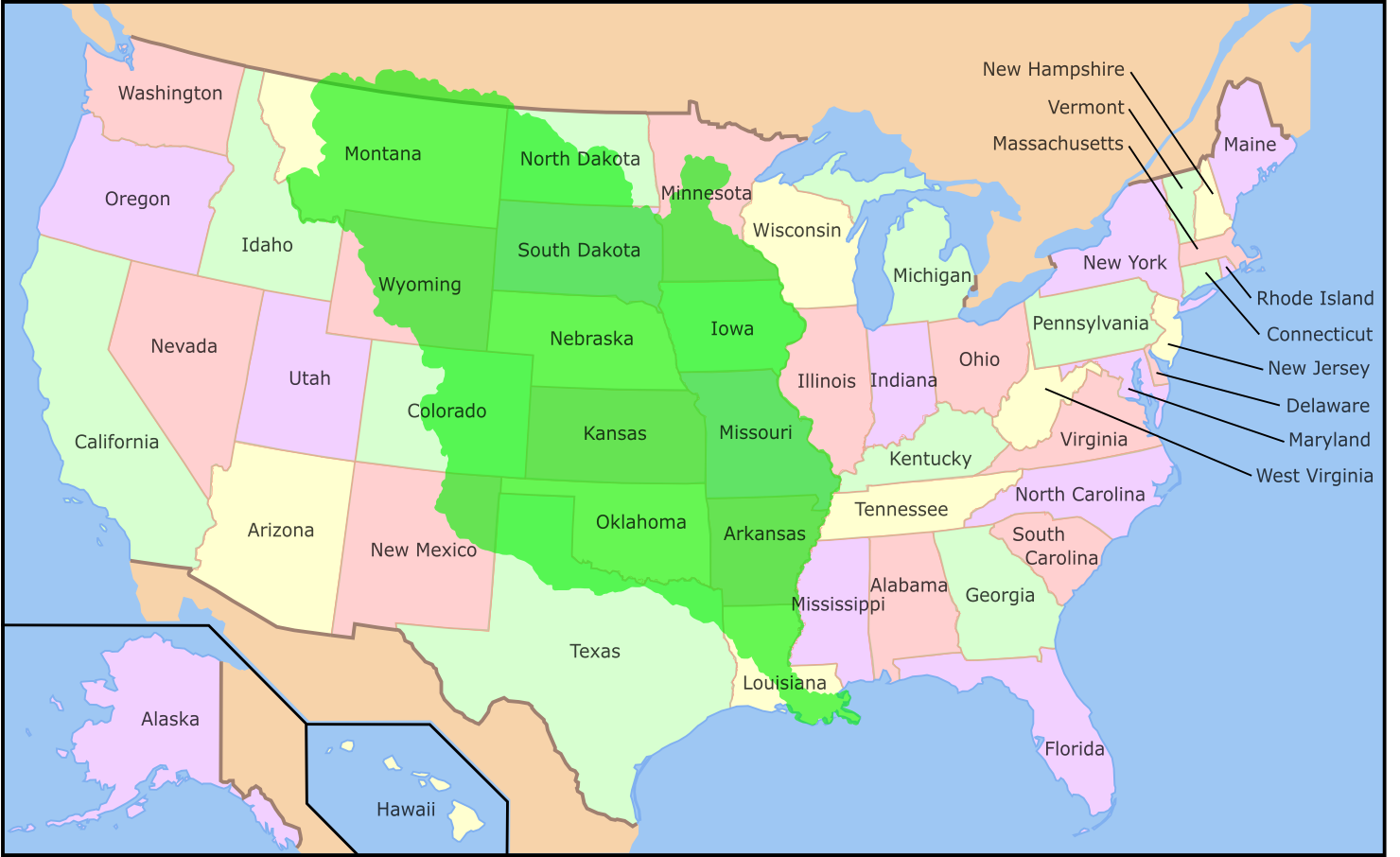
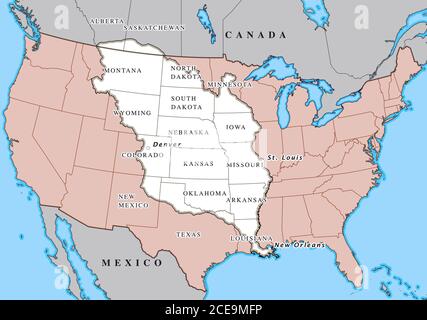
The Louisiana Purchase territory included parts or all of 15 present-day US states. These include Arkansas, Missouri, Iowa, Oklahoma, Kansas, and Nebraska. It also covered parts of Minnesota, North Dakota, South Dakota, New Mexico, Texas, Montana, Wyoming, Colorado, and Louisiana itself. This vast region significantly expanded the US map 1803.
How much did the US map 1803 Louisiana Purchase cost?
The US map 1803 Louisiana Purchase cost approximately 15 million US dollars. This was a substantial sum at the time. However, it amounted to roughly three cents per acre for 828,000 square miles. This made it one of the most cost-effective land deals in history. It was an incredible bargain.
Who negotiated the Louisiana Purchase for the US map?
Robert Livingston and James Monroe negotiated the Louisiana Purchase for the US. They were American envoys to France. Their initial mission was to purchase New Orleans and West Florida. However, they were presented with the opportunity to acquire the entire Louisiana Territory. They quickly seized this historic chance.
What impact did the Louisiana Purchase have on the US map?
The Louisiana Purchase had a colossal impact on the US map. It instantly doubled the size of the young United States. This expansion pushed the nation's western boundary from the Mississippi River to the Rocky Mountains. It laid the foundation for westward settlement and the formation of numerous new states, profoundly shaping the nation.
Where did the Louisiana Purchase begin and end on the US map?
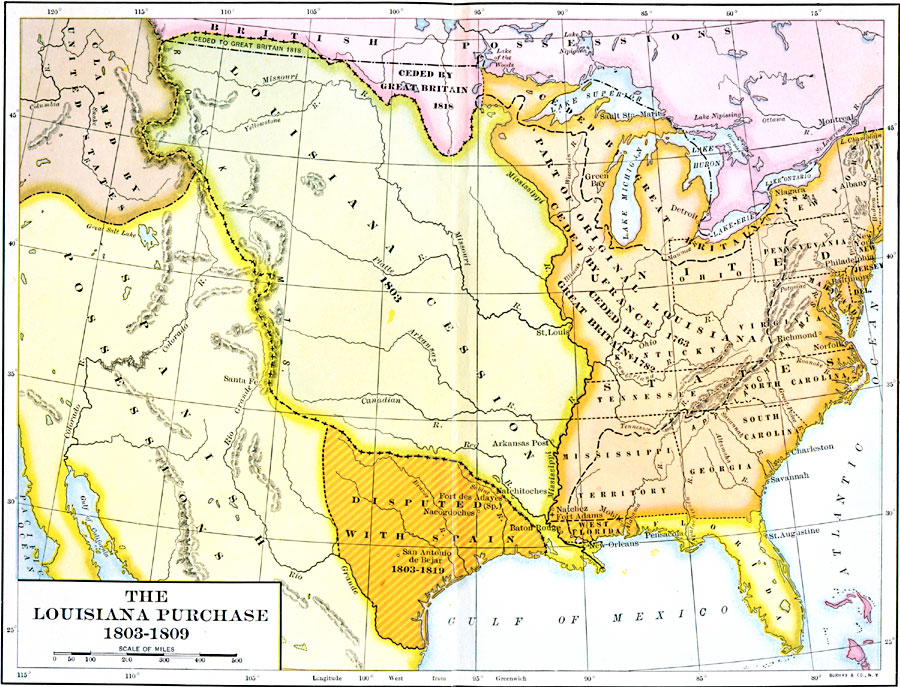
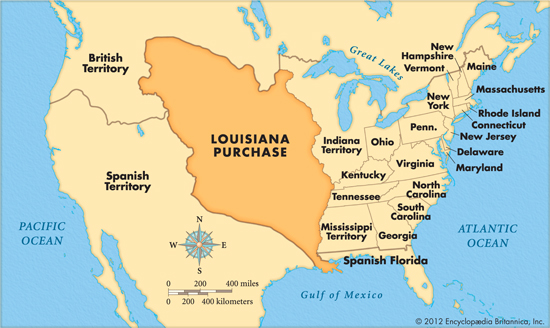
On the US map, the Louisiana Purchase began at the Mississippi River's western bank. It then stretched westward to the Continental Divide of the Rocky Mountains. Its southern boundary was generally the Gulf of Mexico. The northern extent reached up to the Canadian border, making it an expansive acquisition.
Why was New Orleans so important in the US map 1803 Louisiana Purchase?
New Orleans was critically important in the US map 1803 Louisiana Purchase because it controlled the mouth of the Mississippi River. This port city was vital for American farmers and traders in the western territories to export their goods. Securing New Orleans ensured unrestricted access to global markets, boosting the U.S. economy and westward growth.
Did the US map 1803 Louisiana Purchase include Florida?
No, the US map 1803 Louisiana Purchase did not include Florida. The territory purchased from France was strictly the Louisiana Territory. Florida, both East and West, remained under Spanish control until it was acquired by the United States in 1819 through the Adams-Onís Treaty. It was a separate diplomatic effort.
When we look at the US map 1803, we see a nation on the brink of incredible transformation. The Louisiana Purchase, completed in that very year, was a defining moment. It was a bold move by President Thomas Jefferson, who acquired a vast territory from France. This act forever changed the trajectory of the United States.
Understanding the US map 1803 Louisiana Purchase means grasping its immense scale. This single event dramatically altered America's geographical footprint. It laid the foundation for westward expansion and influenced countless generations. The acquisition was a gamble that paid off handsomely.
The Historical Context of the US Map 1803 Louisiana Purchase
In 1803, the young United States faced a critical challenge regarding its western borders. Control of the Mississippi River and the port of New Orleans was vital. These waterways were essential for farmers and traders in the Ohio and Tennessee valleys. They needed access to global markets.
The US map 1803 showed a nation confined largely to the east. Spain initially controlled Louisiana, but secretly transferred it to France in 1800. This shift caused alarm in America. Napoleon Bonaparte's ambitions threatened American trade and security. Jefferson sought a peaceful resolution to this growing concern.
What Was the Louisiana Purchase on the US Map?
The Louisiana Purchase was the acquisition of approximately 828,000 square miles of territory. This massive land deal occurred in 1803. The United States purchased it from France. It stretched from the Mississippi River in the east to the Rocky Mountains in the west. The territory extended from the Gulf of Mexico in the south to the Canadian border in the north.
Suddenly, the US map 1803 showed an America twice its original size. This vast expanse of land included parts or all of 15 current U.S. states. It transformed America into a continental power. This single event reshaped national identity.
Why Did the US Map Change So Dramatically in 1803?
The dramatic change on the US map in 1803 was driven by several factors. Napoleon needed funds for his European wars. He also lost interest in building a North American empire after setbacks in Haiti. For Jefferson, securing New Orleans and preventing a powerful French presence was paramount.
Negotiators Robert Livingston and James Monroe seized the opportunity. They initially sought only New Orleans and West Florida. However, France offered the entire Louisiana Territory. This surprising offer led to the historic US map 1803 Louisiana Purchase. It was an unforeseen diplomatic triumph.
The Vast Territories of the US Map 1803 Louisiana Purchase
The US map 1803 Louisiana Purchase encompassed incredible diversity. It included vast plains, major river systems, and diverse ecosystems. This territory was home to numerous Native American tribes. Its exploration would soon be a national priority. Lewis and Clark's expedition would begin shortly after.
This new land presented both opportunities and challenges for the United States. It promised agricultural wealth and resources. However, it also raised questions about governance and slavery. The acquisition fundamentally altered the nation's future path.
Impact on the Future US Map and Westward Expansion
The US map 1803 Louisiana Purchase fueled an era of rapid westward expansion. Americans eagerly moved into the newly acquired lands. This migration brought new settlers, towns, and eventually states. It solidified the vision of America stretching from coast to coast.
The purchase also set precedents for future land acquisitions. It established the U.S. as a major player on the world stage. The shape of the modern US map owes a tremendous debt to this 1803 transaction. Its legacy continues to influence American identity.
Table: Key Facts of the US Map 1803 Louisiana Purchase
| Event | Louisiana Purchase |
| Year | 1803 |
| Acquirer | United States |
| Seller | France |
| President | Thomas Jefferson |
| Area Acquired | 828,000 square miles |
| Cost | 15 million USD |
| Price per Acre | About 3 cents |
| Impact | Doubled US size, secured Mississippi River, facilitated westward expansion |
What Others Are Asking?
What was included in the US map 1803 Louisiana Purchase?
The US map 1803 Louisiana Purchase included approximately 828,000 square miles of land. This vast territory stretched from the Mississippi River west to the Rocky Mountains. It encompassed land from the Gulf of Mexico north to the Canadian border. This acquisition greatly expanded the United States.
How did the US map 1803 Louisiana Purchase affect America?
The US map 1803 Louisiana Purchase dramatically affected America. It doubled the nation's size and secured vital trade routes. It fueled westward expansion and exploration. The purchase also raised constitutional questions for President Jefferson. It laid the groundwork for future American growth.
Who were the key figures in the US map 1803 Louisiana Purchase?
The key figures in the US map 1803 Louisiana Purchase were President Thomas Jefferson of the United States and Emperor Napoleon Bonaparte of France. American envoys Robert Livingston and James Monroe negotiated the deal. French minister Charles Maurice de Talleyrand represented France. These individuals played crucial roles.
What challenges did the US map 1803 Louisiana Purchase present?
The US map 1803 Louisiana Purchase presented several challenges. It sparked constitutional debate over presidential authority to acquire land. Integrating diverse Native American populations and managing vast new territories proved difficult. The question of slavery's expansion into these new lands also arose, leading to future conflicts.
What is the legacy of the US map 1803 Louisiana Purchase today?
The legacy of the US map 1803 Louisiana Purchase is immense. It fundamentally shaped the geographical boundaries of the modern United States. It enabled agricultural expansion and resource development. The purchase remains a landmark event in American history, symbolizing bold expansion and national ambition. It truly defined America.
FAQ: Deep Dive into the US Map 1803 Louisiana Purchase
What exactly was the US map 1803 Louisiana Purchase?
The US map 1803 Louisiana Purchase was a land deal. The United States bought 828,000 square miles from France. This territory stretched from the Mississippi River to the Rocky Mountains. It cost 15 million dollars. This single event doubled the size of the nation.
Who authorized the US map 1803 Louisiana Purchase?
President Thomas Jefferson authorized the US map 1803 Louisiana Purchase. Despite constitutional concerns, he believed the opportunity was too vital. His vision of an agrarian republic and secure trade routes drove the decision. He acted in the nation's long-term interest.
Why was the US map 1803 Louisiana Purchase so important?
The US map 1803 Louisiana Purchase was important for many reasons. It secured the port of New Orleans and the Mississippi River. This ensured vital trade access for western farmers. It also removed a powerful European neighbor from America's border. This dramatically strengthened national security and economic prospects.
How did the US map 1803 Louisiana Purchase impact Native Americans?
The US map 1803 Louisiana Purchase profoundly impacted Native Americans. It accelerated westward expansion and increased pressure on indigenous lands. This led to displacement, conflicts, and forced removal policies. The acquisition disregarded existing Native American territorial claims. It reshaped their lives irrevocably.
Summary of the US Map 1803 Louisiana Purchase
The US map 1803 Louisiana Purchase represents a pivotal moment in American history. It was a massive land acquisition from France. This deal dramatically reshaped the nation's geography. It doubled the size of the United States overnight. President Thomas Jefferson championed this audacious expansion. The purchase secured vital waterways like the Mississippi River and the port of New Orleans. It also paved the way for future westward expansion. This monumental event continues to define the continental United States. Its legacy is etched into the very fabric of American identity and its geographical landscape.
The US map 1803 Louisiana Purchase was a massive land acquisition. It effectively doubled the size of the United States. President Thomas Jefferson authorized the deal, challenging his own constitutional views. The purchase secured New Orleans and vast western territories. It paved the way for westward expansion and defined the modern US map.
 Louisiana Purchase R MapPorn
 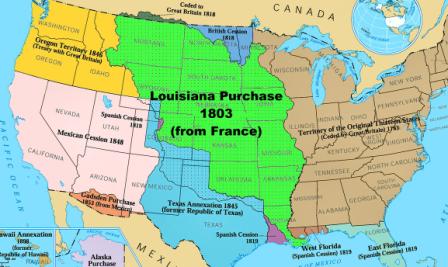 History Louisiana Purchase Louisiana Purchase Map Sm
 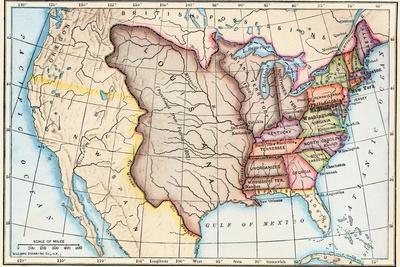 Map Of The U S In Showing The Louisiana Purchase Giclee Print Map Of The U S In Showing The Louisiana Purchase U L QHYXQQ
 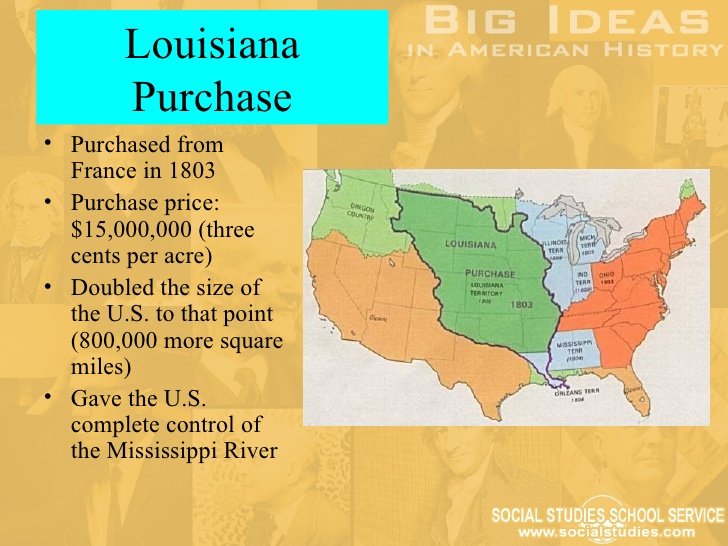 The Louisiana Purchase Mountain View Mirror Big Ideas In Us History Part
  PPT JAMES MONROE PowerPoint Free Download ID Expansion Of The United States With Louisiana Purchase L
  Map Showing The Louisiana Purchase SEMA Data Co Op
  Louisiana Purchase Announced On July th
  Louisiana Purchase Map Semashow Com
  Louisiana Purchase Louisiana Purchase
  Louisiana Purchase Stock Photo Alamy Louisiana Purchase Map Showing The Territories Highlighted In White Purchased By The United States From France In April cemfp
  Louisiana Purchase Web Preview x