Explore the intricacies of USA immigration policies and how they stand against systems worldwide. This comprehensive guide answers frequently asked questions, shedding light on the pathways, challenges, and legal frameworks that define who can enter and reside in the United States. We delve into visa categories, green card processes, citizenship requirements, and how these compare to other leading immigrant-receiving nations like Canada, Germany, and Australia. Understanding these global comparisons is crucial for anyone considering immigration, policy makers, or simply those curious about the dynamics of international migration. Discover insights into family-based immigration, employment-based visas, refugee asylum processes, and the economic and social impacts of these varying approaches. This article aims to demystify complex immigration landscapes, providing clear, actionable information to help you grasp the unique position of the USA in the global immigration narrative. Learn about the diverse legal avenues available and the significant differences in processing times and eligibility criteria across borders. This detailed overview provides essential knowledge about how does USA immigration compare to other countries faq.
Have you ever wondered how does USA immigration compare to other countries faq, and what makes it unique or similar to systems around the world? Many people ask, who can immigrate to the United States, what pathways exist, when are decisions made, where do most immigrants come from, why are certain policies in place, and how do these processes really work in practice? We are often curious about the bigger picture of global migration, especially when considering the significant role the United States plays on the international stage. This article aims to navigate these questions, providing clear, relatable insights into the distinct characteristics of US immigration compared to other major immigrant-receiving nations. We will explore the different philosophies that guide each countrys approach, giving you a better understanding of the global landscape of immigration and where the USA fits in.
Understanding US Immigration: A Global View on how does USA immigration compare to other countries faq
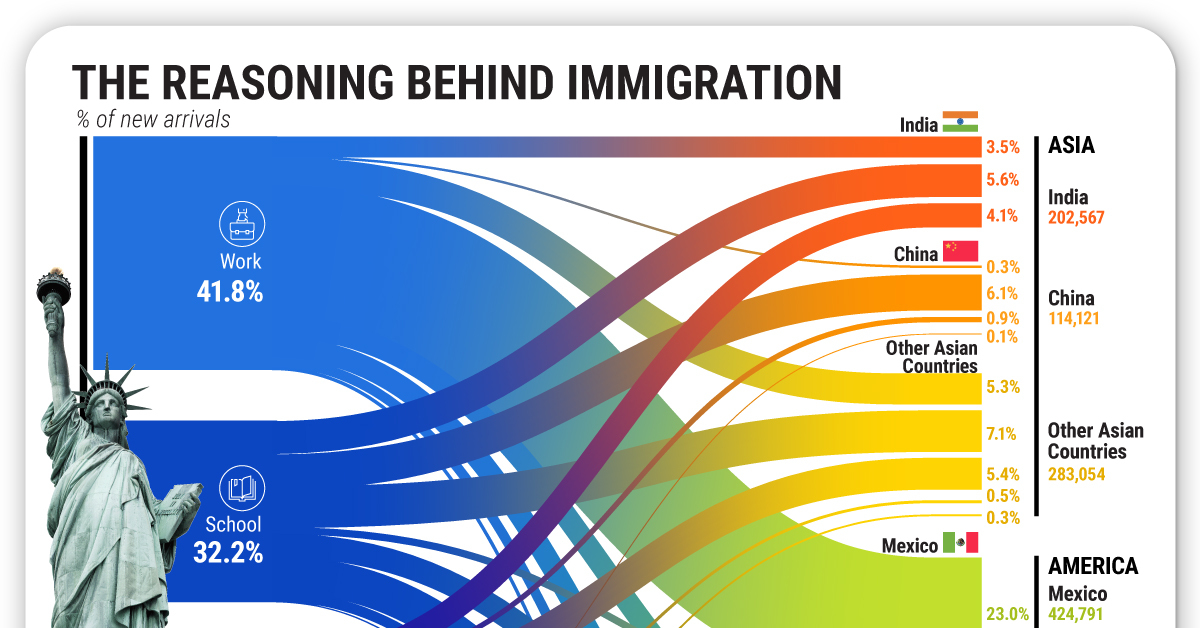
When we look at the United States, we see a nation built on immigration, a tapestry woven from diverse cultures and stories. But how does US immigration actually work, and how does its system truly compare to others when addressing the fundamental question of how does USA immigration compare to other countries faq? The US approach primarily centers on family reunification and employment-based visas, reflecting historical priorities and economic needs. This means a significant portion of new arrivals gain legal status through a close relative already residing in the US or through a job offer from an American employer that demonstrates a need for their specific skills. While this sounds straightforward, the reality involves intricate legal frameworks, extensive documentation requirements, and often lengthy processing times that vary dramatically depending on the specific visa category and the applicants country of origin. This reliance on familial ties and employer sponsorship differentiates it from many other developed nations that increasingly favor points-based systems designed to select immigrants based on criteria like age, education, language proficiency, and work experience, rather than specific familial relationships or job offers.
What Defines US Immigration Policy in the context of how does USA immigration compare to other countries faq?
So, what exactly shapes the immigration policies in the United States, especially when we consider how does USA immigration compare to other countries faq? The US system is a complex mosaic of laws, regulations, and judicial precedents that have evolved over centuries, each piece added in response to changing economic, social, and political landscapes. At its core, federal law dictates who can enter, stay, and become a citizen, with agencies like US Citizenship and Immigration Services (USCIS) and Customs and Border Protection (CBP) enforcing these rules. Unlike many nations that prioritize skilled labor through objective scoring, US policy places a strong emphasis on family reunification. This means a US citizen or lawful permanent resident can sponsor certain family members for visas, creating a pathway for them to join loved ones already living in the country. Additionally, the system provides avenues for employment-based immigration, humanitarian protection for refugees and asylum seekers, and a diverse lottery program. Each pathway, however, comes with its own set of eligibility criteria, application processes, and often significant wait times, making it a system often perceived as challenging to navigate for prospective immigrants and their sponsors.
Who Can Immigrate to the USA and how does USA immigration compare to other countries faq?
Many individuals ask who can truly immigrate to the USA, and how does this eligibility measure up when we consider how does USA immigration compare to other countries faq? The United States offers several distinct pathways for individuals seeking to make it their new home. Primarily, these pathways fall into four broad categories: family-based immigration, employment-based immigration, humanitarian protection (for refugees and asylum seekers), and the Diversity Visa (DV) program. Family-based immigration allows US citizens and lawful permanent residents to sponsor eligible relatives, such as spouses, children, parents, and siblings, to join them. Employment-based immigration caters to individuals with specific skills, education, or investment capital that can benefit the US economy, often requiring a sponsoring employer. Humanitarian routes protect those fleeing persecution, offering asylum to individuals already in the US or at a port of entry, and refugee status to those applying from outside the country. The DV lottery provides a chance for individuals from countries with historically low rates of immigration to the US to obtain a green card. Each of these categories has detailed requirements and numerical limits, making the process highly competitive and, for many, a journey that spans several years.
Key Differences: USA vs. Other Major Immigrant Destinations, examining how does USA immigration compare to other countries faq
When we begin to truly scrutinize how does USA immigration compare to other countries faq, particularly in contrast to other prominent immigrant destinations like Canada, Australia, and Germany, some critical distinctions immediately emerge. The United States generally operates on a system that prioritizes specific family relationships and employer sponsorship, meaning your ability to immigrate often hinges on whether you have a qualifying relative or a job offer. This differs significantly from the point-based systems prevalent in Canada and Australia, which award points for factors like education, language proficiency, work experience, and age, creating a merit-based pathway for skilled workers. Germany, while also seeking skilled labor, has expanded its focus to include vocational training and specific professional qualifications, often with streamlined processes for certain professions. These varying approaches highlight fundamental philosophical differences in what each nation believes constitutes the most beneficial type of immigration, whether it is fostering family unity, attracting specific human capital, or addressing demographic and labor market needs.
Point-Based Systems vs. Family/Employment Focus: how does USA immigration compare to other countries faq
When we delve into how does USA immigration compare to other countries faq, a striking contrast appears in the core philosophy of immigrant selection: the US systems reliance on family ties and employer sponsorship versus the merit-based, point systems of nations like Canada and Australia. In the United States, securing a green card often depends on a direct family relationship with a US citizen or permanent resident, or a specific job offer from an American employer that has demonstrated a need for your skills. This approach, while rooted in historical precedent and humanitarian values, can lead to significant backlogs and long wait times, particularly for family members from high-demand countries. Conversely, Canada and Australia use comprehensive points-based systems where potential immigrants accumulate points based on objective criteria such as their age, level of education, proficiency in official languages (English/French), work experience, and adaptability factors. This transparent, often faster, system aims to select individuals who are deemed most likely to integrate quickly into the labor market and contribute economically. Germany, while not purely point-based, increasingly uses a skilled worker immigration law that prioritizes professional qualifications and recognized degrees, offering a more direct route for specific talents than the broader US employer-sponsorship model.
Pathways to Citizenship: How Long Does It Take when considering how does USA immigration compare to other countries faq?
A crucial aspect when examining how does USA immigration compare to other countries faq is understanding the journey to citizenship, particularly the timeline involved. In the United States, after obtaining lawful permanent resident status, commonly known as a green card, most individuals must reside in the US for at least five years before they can apply for naturalization. This period shortens to three years for those married to a US citizen. Applicants must also demonstrate good moral character, pass an English language and civics test, and pledge allegiance to the US Constitution. This process is generally quite standardized. In comparison, Canada typically requires three years of physical presence out of the last five years as a permanent resident. Australia demands four years of lawful residency, including at least one year as a permanent resident, before applying. Germanys naturalization period is usually eight years of lawful residency, though this can be reduced to seven or even six years with successful integration, such as strong German language skills and civic engagement. These varying requirements and timelines reflect each nations distinct approach to integrating newcomers and defining national belonging, providing a fascinating lens through which to view how does USA immigration compare to other countries faq.
Navigating the Visa Maze: A Comparative Look at how does USA immigration compare to other countries faq
When we consider how does USA immigration compare to other countries faq, especially in the practical realm of visa applications, it quickly becomes clear that each nation presents its own unique maze of requirements and procedures. For many aspiring immigrants, the visa application process is the initial and often most challenging hurdle. The sheer number of visa categories in the United States, from non-immigrant visas for temporary stays (like H-1B for skilled workers or F-1 for students) to immigrant visas leading to permanent residency, can feel overwhelming. Each category carries specific eligibility criteria, documentation needs, and processing fees, with varying wait times that can stretch for years for certain nationalities or family preferences. Other countries, while also having distinct visa types, often present a more streamlined application process for permanent residency, particularly through their skilled migration programs. Understanding these intricate differences is not just academic; it directly impacts an individuals ability to live, work, and build a future in their chosen country, offering a practical insight into how does USA immigration compare to other countries faq.
Employment-Based Visas: US H-1B Compared to how does USA immigration compare to other countries faq
When analyzing how does USA immigration compare to other countries faq, particularly in the context of employment-based visas, the US H-1B visa often comes under scrutiny. The H-1B visa allows US employers to temporarily employ foreign workers in specialty occupations, requiring a bachelors degree or its equivalent. This visa is subject to an annual cap, currently 85,000, and is highly competitive, often requiring a lottery for selection. This lottery system means even highly qualified individuals with job offers might not secure a visa, leading to uncertainty and frustration for both employers and potential employees. In contrast, Canadas Express Entry system for skilled workers operates on a continuous intake model, ranking candidates based on points and inviting the highest-scoring individuals to apply for permanent residency without an annual cap lottery. Australia also uses a similar skilled migration program with points-based invitations. Germany’s Blue Card system, aligned with the EU, offers a direct path for highly qualified professionals with a recognized university degree and a certain salary threshold, often without the same lottery-based uncertainty as the US H-1B. These differences highlight the varying degrees of predictability and accessibility in each countrys approach to attracting global talent, offering a clear perspective on how does USA immigration compare to other countries faq in this vital area.
Family Reunification: A US Priority in how does USA immigration compare to other countries faq?
When we discuss how does USA immigration compare to other countries faq, particularly regarding family reunification, the United States stands out for its strong, though often backlogged, commitment to keeping families together. US immigration law places a high priority on allowing US citizens and lawful permanent residents to sponsor close family members to immigrate. This includes spouses, children, parents (for US citizens), and siblings. While this sounds like a clear and compassionate approach, the reality for many involves incredibly long wait times, sometimes stretching over a decade, due to per-country quotas and numerical limits on certain family preference categories. For example, a US citizen sponsoring a sibling from a country like India or the Philippines can face waits of 15 years or more. In comparison, while family reunification is also a component of immigration in countries like Canada and Australia, their point-based systems often allow for more direct pathways for skilled individuals to immigrate first, with family sponsorship occurring afterward, sometimes with shorter processing times for immediate family. Germany also supports family reunification, especially for spouses and children, with processes that can be faster once the primary immigrant has established residency. These differences illustrate how each nation balances humanitarian goals with economic and demographic objectives, shaping the experience of family unity for immigrants globally.
Asylum and Refugee Processes: Global Standards and how does USA immigration compare to other countries faq
Investigating how does USA immigration compare to other countries faq also requires a close look at asylum and refugee processes, an area where international law and national policies intersect with pressing humanitarian concerns. The United States, as a signatory to international conventions, offers protection to individuals who have a well-founded fear of persecution in their home country. Asylum seekers can apply if they are already present in the US or at a port of entry, while refugees apply from outside the country. The US has historically been a major recipient of refugees, though numbers have fluctuated significantly based on administration policies and global crises. The process involves rigorous vetting, interviews, and often long waiting periods for a final decision. Similarly, Canada boasts a robust refugee resettlement program and a fair process for asylum claims, often emphasizing the protection of vulnerable populations. Germany has also taken a significant number of asylum seekers, particularly during recent humanitarian crises, developing systems to process large volumes of claims, though not without its own challenges and debates. Australia also has an asylum process, albeit often criticized for its offshore processing policies. While all these nations adhere to international principles of non-refoulement, the practical application, processing speeds, and support systems for asylum seekers and refugees can vary widely, reflecting distinct national capacities and political climates, providing a poignant perspective on how does USA immigration compare to other countries faq.
The Economic and Social Impact of Immigration: how does USA immigration compare to other countries faq
Understanding how does USA immigration compare to other countries faq extends beyond just policies and processes; it involves examining the profound economic and social impacts that immigration has on a nation. Immigrants contribute significantly to the US economy by filling labor gaps, starting businesses, paying taxes, and fostering innovation. They often take on jobs that native-born workers avoid, from agriculture to high-tech sectors, driving economic growth and creating new opportunities. Socially, immigrants enrich the cultural fabric of the United States, bringing diverse perspectives, traditions, and languages that create a vibrant, multicultural society. However, immigration also presents challenges, including debates over resource allocation, integration strategies, and the strain on public services. Other countries experience similar dynamics. Canada actively seeks skilled immigrants to bolster its workforce and address an aging population, viewing immigration as a key economic driver. Australia also relies on immigration for population growth and skilled labor. Germany has increasingly recognized the economic necessity of immigration, especially for skilled workers, to sustain its industrial base and social welfare system. The varying approaches to immigration, therefore, have distinct, measurable effects on each nation’s economic prosperity, social cohesion, and demographic future, giving us a complete picture of how does USA immigration compare to other countries faq.
How Do Different Policies Affect Societies, in the context of how does USA immigration compare to other countries faq?
When we deeply consider how does USA immigration compare to other countries faq, particularly concerning the societal effects of diverse immigration policies, we uncover significant differences in how nations integrate newcomers and manage social change. The US approach, with its strong emphasis on family reunification and employer sponsorship, tends to create well-established diaspora communities who support new arrivals, but it can also lead to long waits and a slower integration into the broader labor market for some. Countries like Canada and Australia, with their points-based systems, often aim to select immigrants who possess pre-existing skills, education, and language proficiency, which can facilitate quicker economic integration but might not always address broader demographic needs. Germanys evolving policies, which now actively recruit skilled labor while also managing large-scale humanitarian arrivals, highlight the delicate balance between economic imperatives and social welfare. These varying policy frameworks influence everything from local housing markets and educational systems to healthcare access and political representation. The outcomes, whether fostering greater diversity, stimulating economic growth, or creating social challenges, are often direct reflections of the specific immigration policies each nation implements, illustrating the profound and lasting societal impacts when exploring how does USA immigration compare to other countries faq.
Future Trends and Challenges in Immigration, especially how does USA immigration compare to other countries faq
Looking ahead, the landscape of global immigration continues to evolve, presenting both new trends and ongoing challenges. For the United States, debates surrounding border security, comprehensive immigration reform, and the future of pathways for undocumented immigrants remain central. The question of how does USA immigration compare to other countries faq will continue to be relevant as policymakers grapple with balancing national interests, humanitarian obligations, and economic demands. Globally, climate change is expected to drive increased migration, and technological advancements may transform labor markets, influencing which skills are most in demand. Nations will likely continue to refine their immigration policies to adapt to these shifts. Countries like Canada and Australia might further optimize their points-based systems to target specific industries or regions, while European nations may continue to navigate the complexities of regional migration agreements and integration strategies. Understanding these potential shifts is vital for anyone engaged with immigration, whether as an applicant, policymaker, or curious observer, as it shapes the future of mobility and belonging in an increasingly interconnected world. The continuous evolution of these policies will keep the discussion alive on how does USA immigration compare to other countries faq.
What Lies Ahead for Global Immigration, and how does USA immigration compare to other countries faq?
What truly lies ahead for global immigration, and how will the USA’s approach continue to stack up when considering how does USA immigration compare to other countries faq? We anticipate a future where climate change will emerge as a significant driver of migration, creating new categories of displaced persons and placing unprecedented pressure on existing humanitarian frameworks. Technological advancements, particularly in automation and artificial intelligence, will reshape labor markets globally, prompting countries to continually adjust their employment-based immigration policies to attract and retain the skills of tomorrow. Additionally, demographic shifts, such as aging populations in many developed nations, will likely increase the demand for immigrants to sustain workforces and support social security systems. The US will need to continuously evaluate its often rigid family and employment-based categories in light of these global changes, potentially facing pressure to adopt more flexible or points-based approaches to remain competitive for global talent. Debates around comprehensive immigration reform, border management, and the integration of diverse communities will remain at the forefront, ensuring that the question of how does USA immigration compare to other countries faq stays relevant and requires ongoing critical examination by governments and citizens alike.
| Feature | USA | Canada | Germany | Australia |
|---|---|---|---|---|
| Primary Focus | Family reunification & specific employment | Skilled workers (points-based) & family | Skilled workers (EU Blue Card) & family | Skilled workers (points-based) & family |
| Skilled Worker System | H-1B visa (capped, lottery) | Express Entry (points, continuous intake) | EU Blue Card (salary/degree based) | Skilled Migration Program (points-based) |
| Citizenship Path | 5 years Green Card residency (3 if married to US citizen) | 3 out of 5 years as Permanent Resident | 8 years lawful residency (can be reduced) | 4 years lawful residency (1 as PR) |
| Asylum/Refugee | Convention-based, robust but fluctuating intake | Robust resettlement program, fair claims process | Significant intake, integration challenges | Offshore processing, convention-based |
| Processing Times | Highly variable, often lengthy (backlogs) | Generally faster for skilled (Express Entry) | Variable, streamlined for skilled | Variable, faster for skilled |
| Language Requirement for PR/Citizenship | English test for citizenship | English/French for skilled PR & citizenship | German for citizenship (A1-B1) | English for skilled PR & citizenship |
In summary, when we ask how does USA immigration compare to other countries faq, we find that the United States operates a distinct system emphasizing family reunification and specific employment sponsorship, often leading to long processing times and complex pathways. This contrasts significantly with nations like Canada and Australia, which frequently utilize points-based systems designed to attract skilled workers based on objective criteria, potentially offering a more streamlined, albeit competitive, route to permanent residency. Germany, while also seeking skilled labor, has expanded its focus to specific professional qualifications. Each countrys approach reflects a unique balance of historical values, economic needs, and social priorities, shaping the experience for millions globally. What is the main difference in immigration strategy between the USA and Canada? The USA primarily focuses on family and employer sponsorship, while Canada largely uses a points-based system for skilled workers.
Keywords: USA immigration comparison, global immigration policies, US green card process, immigration visa types, Canada immigration vs US, Germany immigration rules, Australia immigration system, US citizenship requirements, family immigration USA, employment visas US, asylum USA, how does USA immigration compare to other countries faq, US immigration pathways, international migration, visa categories, naturalization process.
Diverse visa categories and pathways, emphasis on family and employment immigration, complex legal framework, significant backlogs for certain categories, comparison with point-based systems in other countries, naturalization processes, refugee and asylum systems. Understanding how does USA immigration compare to other countries faq is crucial.
Welcome In Immigration 11 Key Figures On US Border Crossings And Illegal Immigration In 2024 Immigrant Population In USA Infographic 768x432 Canadian Immigration 2025 Key Trends Future Predictions Canadian Immigration 2025
Canada Presents More Approach To Immigration Than U S Sutcliffe C2 The Top 10 9 Countries Which Like Immigration Most Electronics Weekly IMG 0618 Immigration Levels In USA Canada Australia UK And Germany R Immigration Levels In Usa Canada Australia Uk And Germany V0 Immigrants In The U S Economy Overcoming Hurdles Yet Still Facing Screenshot 2023 04 28 At 5.12.10 PM 1024x607
Chart How Migration Flows To Europe And North America Changed Statista 31116 A Bar Graph Compares The Share Of Immigrants In The Population Of The Pat1240x Un0101 Three Reasons Why So Many Migrants Want To Cross From Mexico To US 132575186 Chart The Countries Most And Least Accepting Of Migrants Statista 10804
Visualized Why Do People Immigrate To The U S Why Immigrants Come To America Shareable Video Immigration Trends For USA Last 100 Years Fbd97df8 F80e 4281 8206 Visualizing US Net Immigration By President ZeroHedge U. Immigration By Status Net Imm Immigration Line Graph Diversity Brief 2
Immigration Law Statistics FT 14.12.8 US Immigrant Population In 2023 Saw Largest Increase Since 2000 Pew SR 2024.09.26 Immigrant Growth 2023 Chart The United States Is A Nation Of Immigrants Infographic 20170123 Immigrants Map The Impact Immigrants Make Up Over 18 Of The Total US Population Full
2 Asian American Immigrants Views Of Quality Of Life In The U S RE 2024.10.09 Asian Immigration Experience 2 02 Immigrant Population Hits Record 46 2 Million In Nov 2021 Camarota 12 20 21 F5 Large How Many People Immigrate To The US Via Authorized Channels Each Year How Many People Immigrate To The US Every Year LOC Country United States Arrivals Line A Comparison Of Immigration Policies Across The World News
117 Immigration Statistics And Trends 2025 1 Immigration And The After 2024 Brookings 20241016 THP Immigration Figure3 Two Centuries Of U S Immigration In One Mesmerizing Graphic MarketWatch MW EM250 Usaimm NS Nation Of Immigrants UCLA Blueprint Infographic Full2
Modern Immigration Wave Brings 59 Million To U S PH 2015 09 28 Immigration Through 2065 51 Immigrant Dreams Starting A Business In The USA Net Migration Returns To Pre Pandemic Levels Figure 2 Canada Vs The U S A Comparison Of Immigration Docx Canada Vs The U S A Comparison Of Immigration Docx 1 320 Of The United States Race Religion Immigration World Data Permanent Immigrants Pie Chart United States
Political Preferences And Views On U S Immigration Policy Among 231129 Political Pref And Views On US Immigration Policy FI V2 Everything S Like A Gamble How U S Immigration Policies Leave Lives 75





/poli111-fall2019/img/chapter01/pat1240x_un0101.png)