Have you ever wondered why understanding the intricate Somali clan map is so important for grasping the regions dynamics? This detailed article delves into the historical foundations, social structures, and political implications of the Somali clan system, offering a comprehensive look at its enduring influence. From traditional governance to modern nation-building efforts, the clan map remains a pivotal element in Somalias narrative, shaping everything from local disputes to international relations. We explore how these kinship networks operate, their geographical distribution, and why this knowledge is increasingly relevant for humanitarian organizations, policymakers, and the thriving Somali diaspora in the United States. Gaining insight into this complex framework empowers you to better comprehend the Horn of Africa and the resilience of its people, illuminating the pathways to stability and understanding in a crucial part of the world. Dive in to unlock the story behind Somalias enduring social fabric.
Why is understanding the Somali clan map so vital today, and how does it shape the lives of millions? The Somali clan map isnt just a static diagram; its a living, breathing representation of kinship, tradition, and power that has profoundly influenced the history and current state of Somalia. When we talk about Somali clans map, were really exploring the complex social architecture that defines identity, dictates alliances, and underlies the political landscape. This deep dive aims to illuminate who these clans are, what roles they play, where they are typically found across the Horn of Africa, why their structure is so enduring, and how they continue to impact everything from local governance to international aid efforts. Youll discover that appreciating this intricate network is key to unlocking a richer understanding of Somali culture, history, and its future trajectory, making it an incredibly relevant topic for anyone interested in global affairs, humanitarian work, or simply cultural exploration.Understanding the Somali Clans Map: A Historical Perspective
When did the Somali clan system originate, and what historical forces shaped the Somali clans map as we know it? The roots of the Somali clan system stretch back centuries, long before the advent of modern nation-states, evolving from nomadic pastoralist societies. These kinship groups provided a fundamental framework for survival in a challenging environment, offering mutual protection, dispute resolution, and resource sharing. Each clan, often tracing its lineage back to a common ancestor, became a self-sustaining unit. Over generations, these groups migrated, interacted, and sometimes clashed, leading to the fluid and often overlapping territories we observe on any historical Somali clans map. Early European explorers and colonial powers often struggled to grasp the decentralized nature of this system, frequently imposing artificial boundaries that overlooked these deep-seated social divisions. This historical context is paramount for recognizing why the clan system isnt just an antiquated relic but a deeply embedded cultural and social institution that has adapted through conquests, colonial rule, and the struggles of nation-building, continually reshaping its influence on the people and the land they inhabit.The Structure and Significance of the Somali Clans Map
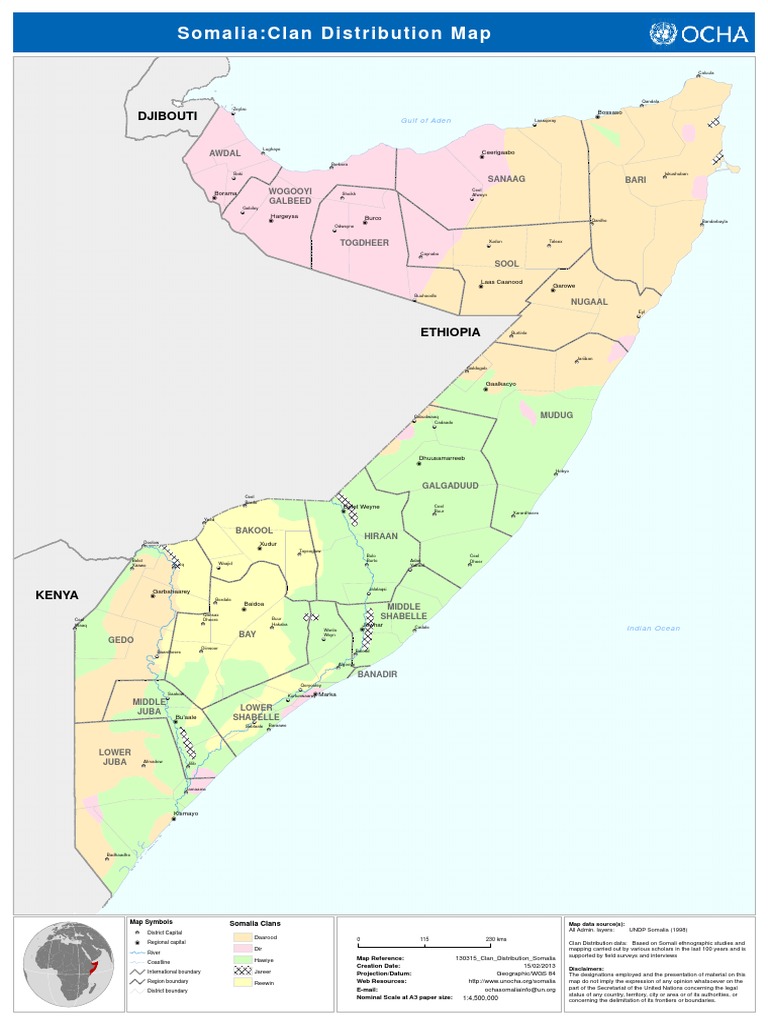
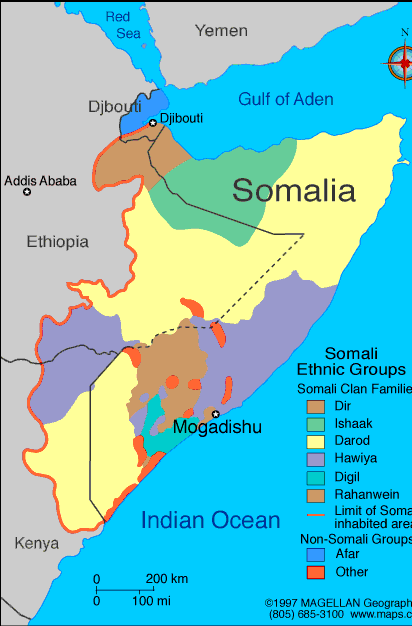
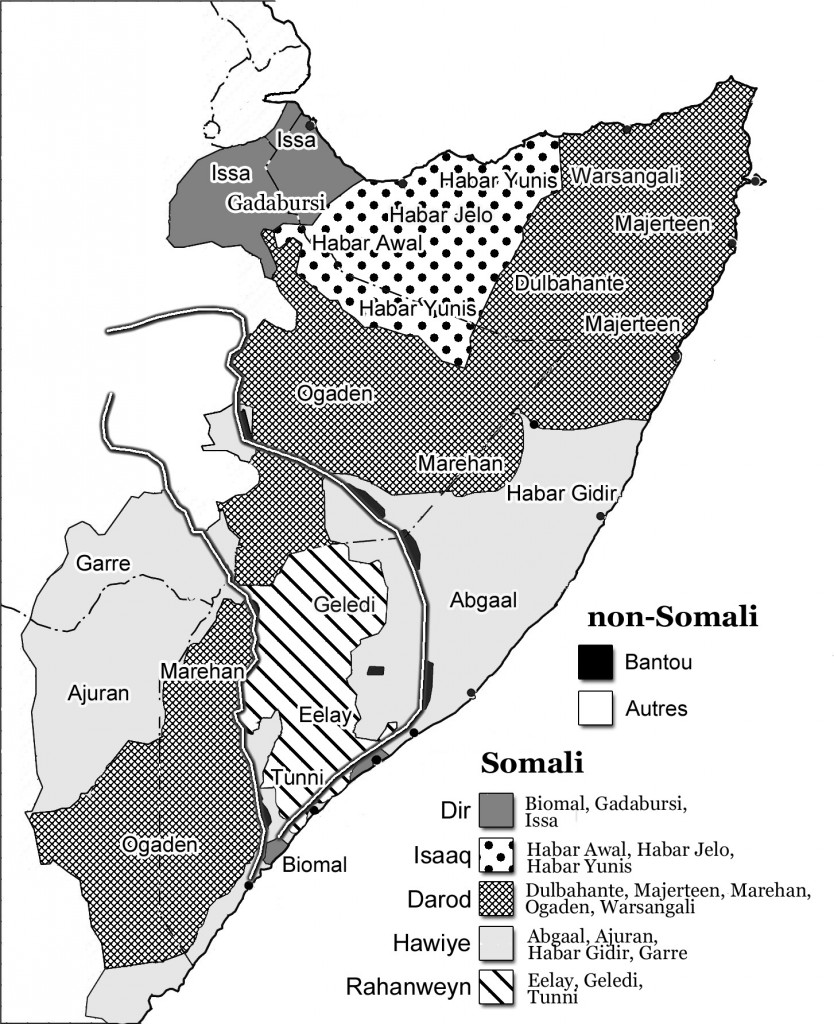
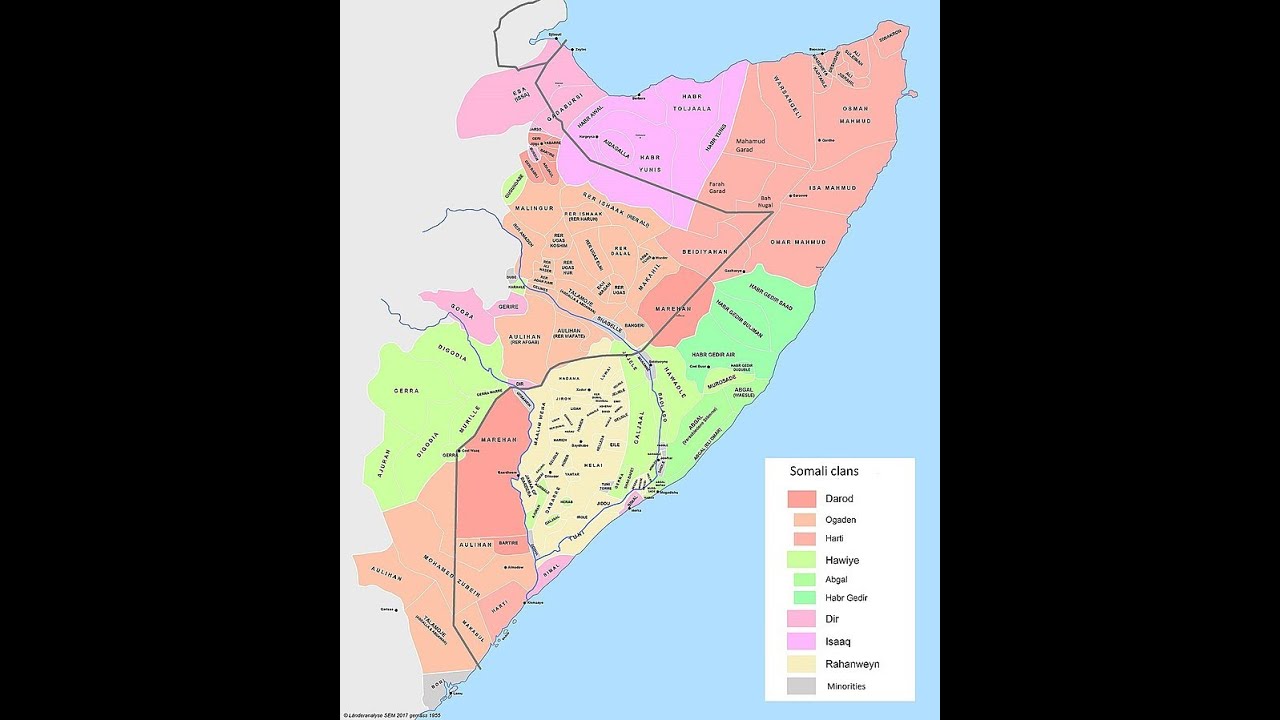
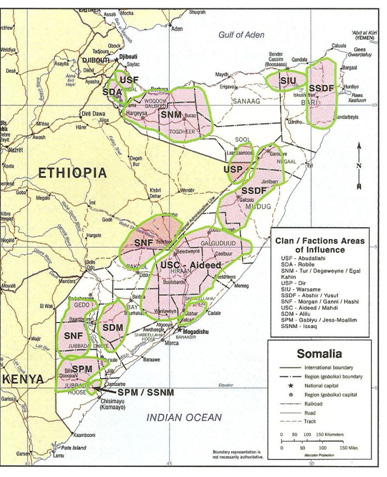
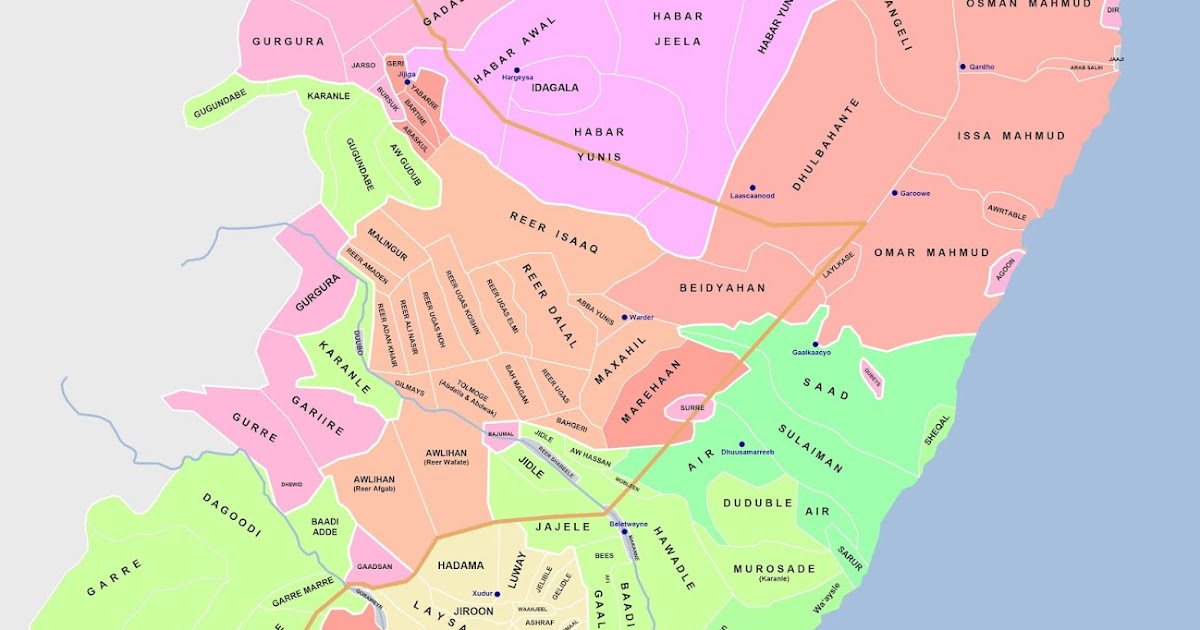
What exactly constitutes a Somali clan, and how does the Somali clans map reflect this intricate social hierarchy? At its core, a Somali clan is an extended family unit, often comprising multiple sub-clans and lineages, all tracing their ancestry through the male line to a foundational patriarch. These relationships are patrilineal and patrilocal, meaning identity and land affiliation typically follow the fathers side. The major clan families—the Dir, Darod, Isaaq, Hawiye, and Rahanweyn (often referred to as Sab), along with various smaller groups and minority communities—form the broad strokes of the Somali clans map. These groups are not homogeneous; each encompasses a vast array of sub-clans, each with its own traditions and territories. The map isnt a rigid political boundary but rather an ethnographic representation of where these clan families historically held sway and where their members predominantly reside. This social organization profoundly affects individual identity, determining ones place within society, access to resources, and even political representation. Its a system that emphasizes collective responsibility and solidarity, where the welfare of the individual is often intertwined with the strength and standing of their clan, truly showcasing its enduring significance.| Clan Family | General Historical Regions (Somalia/Neighboring) | Key Characteristics |
|---|---|---|
| Darod | Northeast, Central, South Somalia; Ogaden (Ethiopia), North East Kenya | Historically nomadic pastoralists; significant political influence. |
| Hawiye | Central and South Somalia, including Mogadishu | Diverse group with strong urban presence; significant trade history. |
| Dir | Northwest Somalia (Somaliland); Djibouti, Eastern Ethiopia | Ancient lineage; includes various sub-clans like Issa and Gadabuursi. |
| Isaaq | Northern Somalia (Somaliland) | Prominent in the self-declared republic of Somaliland; strong business tradition. |
| Rahanweyn (Sab) | Southwest Somalia, inter-riverine regions | Primarily agro-pastoralists; distinct dialect (Maay Maay). |
| Minority Groups | Scattered throughout Somalia | Diverse origins, including Bantus, Benadiri, and other smaller communities. |
Navigating the Somali Clans Map in Modern Times
How does the Somali clans map influence contemporary politics and daily life in Somalia, and why is this understanding crucial for stability? In modern Somalia, the clan system remains a potent force, often serving as the primary organizing principle for political representation, security arrangements, and even economic endeavors. While the nation aims for a unified, democratic state, clan identity frequently dictates who holds power, how resources are distributed, and where allegiances lie. Elections, for instance, often feature candidates appealing directly to their clan networks, highlighting the continued relevance of the Somali clans map in determining political outcomes. This reality means that external actors, whether humanitarian organizations or international diplomats, must navigate these complex relationships with care and respect. Ignoring clan dynamics can lead to misunderstandings, exacerbate conflicts, or render aid efforts ineffective. Recognizing these deep-seated structures isnt an endorsement of division but a practical acknowledgment of the existing social framework, enabling more effective engagement and fostering paths toward inclusive governance. Its about empowering communities by working with, rather than against, their established social patterns.Impact of the Somali Clans Map on Governance and Society
Where do we see the most significant impact of the Somali clans map on governance and societal development, and what challenges does it present? The influence of the clan map extends deeply into every facet of Somali society. In regions like Puntland or Somaliland, clan elders and structures play a fundamental role in local governance and conflict mediation, often filling voids left by weak central institutions. They provide essential services, maintain order, and resolve disputes, demonstrating the systems enduring functional utility. However, this reliance on clan structures can also present challenges, sometimes contributing to political fragmentation, patronage networks, and resource conflicts between groups. Understanding the specific clan dynamics in a given area is therefore paramount for effective development programs, peacebuilding initiatives, and even business ventures. It’s not simply about tracing lines on a map; its about understanding the living social contracts and power-sharing agreements that shape communities. Empowering local communities often means engaging with these traditional structures to build sustainable solutions from within, rather than imposing external models that might not resonate with the intricate social fabric. In summary, what is the central takeaway about the Somali clans map? The Somali clans map represents a dynamic and fundamental aspect of Somali identity and society, continuously influencing its political landscape, social interactions, and pathways to stability. Keywords: Somali clans, Somalia map, clan system, Somali identity, Horn of Africa, traditional governance, Somali politics, diaspora, social structure, tribal map, clan dynamics, Somali society.The Somali clan map illustrates deep historical kinship networks, significantly influencing social, political, and economic life across the Horn of Africa. Understanding this map is crucial for comprehending governance structures, conflict resolution, and the allocation of resources within Somalia and its diaspora communities. It is a dynamic system, not merely fixed lines, reflecting centuries of tradition and adaptation. This system shapes individual identity, community belonging, and strategic alliances, making it a foundational aspect of Somali society that continues to evolve even in contemporary contexts.
History Of Somali Clans 20221105 MAM937 AFRICA 101 Last Tribes Somali People Somalia Clans KENSOM KENYA SOMALI CONSORTIUM NEW SOMALIS MAP CLAN IN
Somalia Clan Map1 A3 PDF Geodesy Clans 1677463451Somali Clan Structure Somalia Maps Somali Clan Tree Somali Clans Map Somali Clan Map 1 2 Jpg.195440
Somalia Ethnic Groups Dir Isaak Digil Hawiye Darod And Rahanweyn Somalia Ethnic Groups Dir Isaak Digil Hawiye Darod And Rahanweyn Comprise What Might Somalia Is Arming The Clans Enough To Defeat Al Shabaab MAP SOMALIA Colour Coded Rendering Of Northern Ogaden Clan Territories As Colour Coded Rendering Of Northern Ogaden Clan Territories As Envisioned By BMA Officials Somalia Clan Map Somalias Clan Demography1
Somali Clans History Sada Mire Somali SAPIENS Somalia Map Of The Somali Clans R MapPorn Somalia Clan Map Ed4b385b 9435 40ba Acc4 Jpeg.114760NEWS New Finds The Somali Miltery Have Began Splitting The Armed Faction Of The Somali Territory In 1992 Png.168182
Somali Clans 0910 For Web SOMALIA Somali Clans History Somalia The Five Major Clans ArtofitFULL EXPLANATION OF SOMALI QABILS TRIBES AND 4 5 SYSTEM YouTube
Somalia 20 Years Later Lessons Learned Re Learned And Forgotten A Colored Clan Map Of Somalia 1955 By I M Lewis And Muuse Haji Tribal Map Of Somalia And British Somaliland 1 January 1945 Source Authors 1 Png.1954412 Map Of Territories Of Clan Families And Some Clans In Northern Map Of Territories Of Clan Families And Some Clans In Northern Somalia C Markus V.ppmHistory Of Somali Clans Somali Clans Source The African Executive From To Healings
The Somali Dir Clan S History Codka Beesha Direed History Of The Dir Somali Region5 This Map Shows The Clans Of The Somali Region R Somalia Mohamed Haji Ingiriis On Twitter In Every Clan Based Federal Mini LargeMap Of Somalia Artofit
Somali Carteclans 834x1024 Somali Clans Somali Clan Somalia Map Of Clan In Somalia Somalia Somalia Clan Map Image 25