Understanding the map of Western Pennsylvania is crucial for residents, visitors, and businesses alike. This guide navigates the unique geographical and cultural tapestry of Western PA, a region rich in history and natural beauty. From the bustling streets of Pittsburgh to the serene Allegheny National Forest, a detailed map helps uncover the key counties, major cities, and important highways. Whether you're planning a road trip, researching local history, or seeking outdoor adventures, having a clear map of Western Pennsylvania enhances your experience. Discover the distinct characteristics that set this western region apart, making it a truly special part of the United States. This information is trending as people seek to explore local gems and heritage.
What are the geographical boundaries on a map of Western Pennsylvania?
Western Pennsylvania's geographical boundaries generally begin west of the Allegheny Front, extending to the state lines with Ohio, West Virginia, and Maryland. Its northern edge is defined by Lake Erie. This region includes the Allegheny Plateau and the Ohio River watershed, making its terrain quite diverse and distinctly featured on any detailed map of Western Pennsylvania.
What major historical sites are shown on a map of Western Pennsylvania?
A map of Western Pennsylvania features numerous historical sites crucial to American history. Key locations include Fort Pitt in Pittsburgh, which played a vital role in the French and Indian War, and the sites of the Whiskey Rebellion. The Flight 93 National Memorial in Shanksville is also a significant modern historical landmark within the region.
How does the Allegheny National Forest appear on a map of Western Pennsylvania?
The Allegheny National Forest is a prominent green expanse on a map of Western Pennsylvania, located in the northwestern part of the state. It covers a significant area across McKean, Warren, Forest, and Elk counties. This forest offers extensive recreational opportunities and is a major natural landmark easily identifiable.
What rivers are highlighted on a map of Western Pennsylvania?
The map of Western Pennsylvania prominently highlights the Ohio River, formed by the confluence of the Allegheny and Monongahela rivers in Pittsburgh. These three rivers are central to the region's geography and history, impacting settlement patterns, trade, and industry throughout the centuries. Smaller tributaries also crisscross the landscape.
What economic centers are visible on a map of Western Pennsylvania?
Pittsburgh stands out as the primary economic center on any map of Western Pennsylvania, known for its healthcare, technology, and education sectors. Erie is another vital economic hub, driven by manufacturing and its port. These cities serve as crucial nodes for commerce and employment within the broader Western Pennsylvania region.
Discovering the intricate map of Western Pennsylvania offers a fascinating journey into one of America's most historic and geographically diverse regions. This area, located in the western portion of the Commonwealth of Pennsylvania, boasts a rich heritage, significant industrial past, and stunning natural landscapes. From its major metropolitan hubs to its charming small towns and vast wilderness areas, understanding its layout helps us appreciate its unique character. Whether you are exploring for historical insight, planning a scenic drive, or seeking outdoor adventures, a reliable map of Western Pennsylvania is your essential companion.
The geographical contours of Western Pennsylvania are shaped by the Allegheny Mountains and the Ohio River basin. This topography has profoundly influenced its development, making it a critical area for trade, industry, and early American expansion. Identifying the counties and cities on a map of Western Pennsylvania reveals a mosaic of communities, each contributing to the region's vibrant identity. Key urban centers like Pittsburgh serve as economic and cultural anchors, while extensive state parks and forests attract nature enthusiasts.
Planning a trip through Western Pennsylvania truly benefits from a detailed map. You can trace routes through rolling hills, along winding rivers, and past historic battlefields. For those interested in local culture, the map highlights areas known for their unique traditions and culinary delights. Navigating the map of Western Pennsylvania also provides insights into its robust infrastructure, including major interstates and scenic routes that connect diverse destinations across the region.
What Others Are Asking?
What areas does Western Pennsylvania cover on a map of Western Pennsylvania?
Western Pennsylvania generally encompasses the counties west of the Appalachian Mountains' main ridge. This includes major metropolitan areas like Pittsburgh, as well as rural regions extending to the Ohio and West Virginia borders. A typical map of Western Pennsylvania highlights counties such as Allegheny, Butler, Erie, Washington, and Westmoreland, among many others.
What are the major cities highlighted on a map of Western Pennsylvania?
Pittsburgh is undoubtedly the largest and most prominent city featured on any map of Western Pennsylvania, serving as its cultural and economic hub. Other significant cities include Erie, known for its port on Lake Erie, and Johnstown, with its rich industrial history. These cities are crucial navigational points within the region.
Is Pittsburgh considered part of the map of Western Pennsylvania?
Absolutely, Pittsburgh is central to the identity and geography of Western Pennsylvania. It is the region's largest city and often serves as the primary reference point when discussing the map of Western Pennsylvania. Its location at the confluence of the Allegheny and Monongahela rivers forming the Ohio River is a defining feature.
What are the geographical features depicted on a map of Western Pennsylvania?
A map of Western Pennsylvania reveals diverse geographical features including the rugged Allegheny Plateau, the Allegheny Mountains, and river valleys. The Ohio River, Allegheny River, and Monongahela River are prominent waterways. Forests, state parks, and rolling farmlands also define the landscape of this beautiful region.
Why is Western Pennsylvania distinct from Eastern Pennsylvania on a map?
Western Pennsylvania is geographically separated from Eastern Pennsylvania by the Appalachian Mountain range, creating distinct cultural and economic characteristics. Its proximity to the Ohio Valley and Great Lakes, as shown on a map, has historically oriented it differently, impacting industry, dialect, and historical development compared to the more Atlantic-facing eastern part of the state.
What resources are available for a detailed map of Western Pennsylvania?
Various resources offer detailed maps of Western Pennsylvania, including online mapping services like Google Maps and Bing Maps, state tourism websites, and specialized topographical maps. Local visitors bureaus also provide excellent printed maps for specific areas within Western Pennsylvania, useful for both navigation and exploration.
FAQ about the Map of Western Pennsylvania
Who uses a map of Western Pennsylvania?
Travelers, historians, outdoor enthusiasts, businesses, and local residents all utilize maps of Western Pennsylvania. These maps help with navigation, planning, historical research, and understanding regional demographics. They are vital for anyone engaging with the area's geography and culture.
What defines the region on a map of Western Pennsylvania?
The region on a map of Western Pennsylvania is primarily defined by its location west of the Allegheny Front. Key features include the Allegheny Mountains, the Ohio River watershed, and its distinct urban centers like Pittsburgh. These elements shape its unique geographic and cultural identity.
Why is understanding the map of Western Pennsylvania important?
Understanding the map of Western Pennsylvania is important for effective navigation, appreciating historical context, and exploring natural resources. It helps individuals understand regional connections, economic hubs, and popular destinations. This knowledge enhances both travel and local engagement.
How can one best navigate the map of Western Pennsylvania?
Navigating the map of Western Pennsylvania is best achieved using a combination of digital GPS tools and traditional paper maps. Digital tools offer real-time updates, while paper maps provide a comprehensive overview of the region's diverse landscapes and roadways, especially in rural areas.
| Region | Key Cities | Major Features | Counties Included |
| Southwest PA | Pittsburgh, Washington | Steel Heritage, Three Rivers, Ohio River | Allegheny, Westmoreland, Washington, Fayette |
| Northwest PA | Erie, Meadville | Lake Erie, Allegheny National Forest | Erie, Crawford, Venango, Warren |
| Central Western PA | Johnstown, Altoona | Allegheny Mountains, Coal Mining History | Cambria, Blair, Somerset | Rural Areas | Various small towns | State Parks, Farmlands, Rolling Hills | Numerous smaller counties |
Detailed insights into the map of Western Pennsylvania, covering geography, major cities, and historical significance. Essential for travel, education, and understanding regional identity. Focus on Pittsburgh, Allegheny National Forest, and key counties. Explore distinct regional characteristics and navigational tools.
 Political And State Legislative Wall Maps State PA State House x
 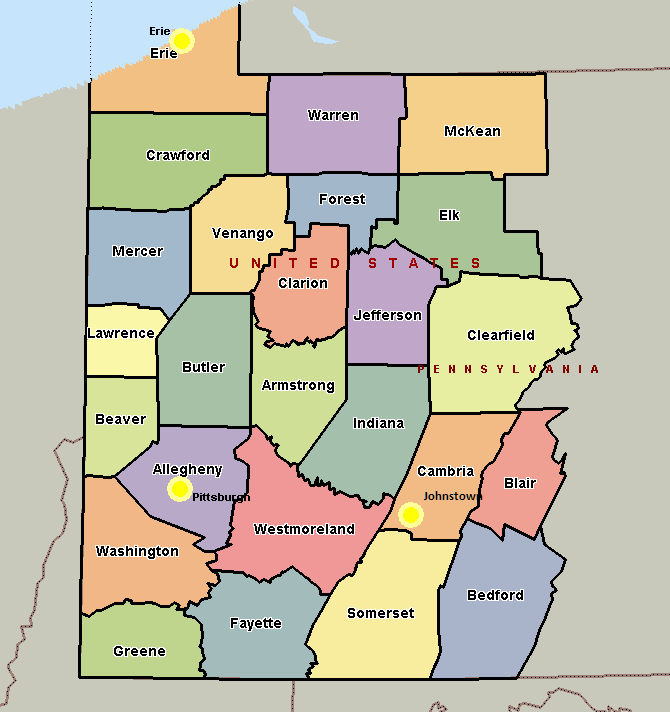 Western County Map Western District Of Counties
 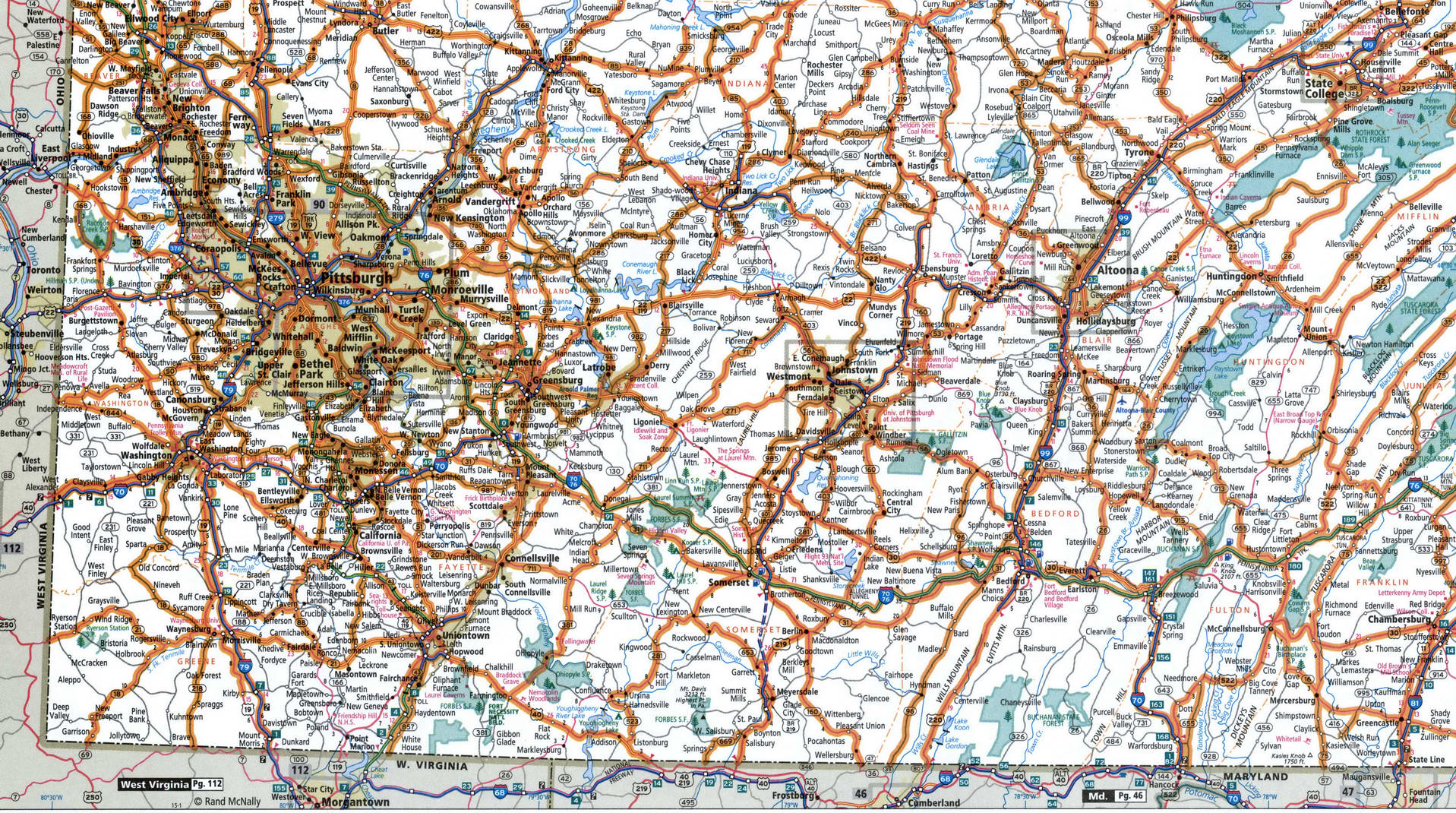 Map Of Western Pa C
 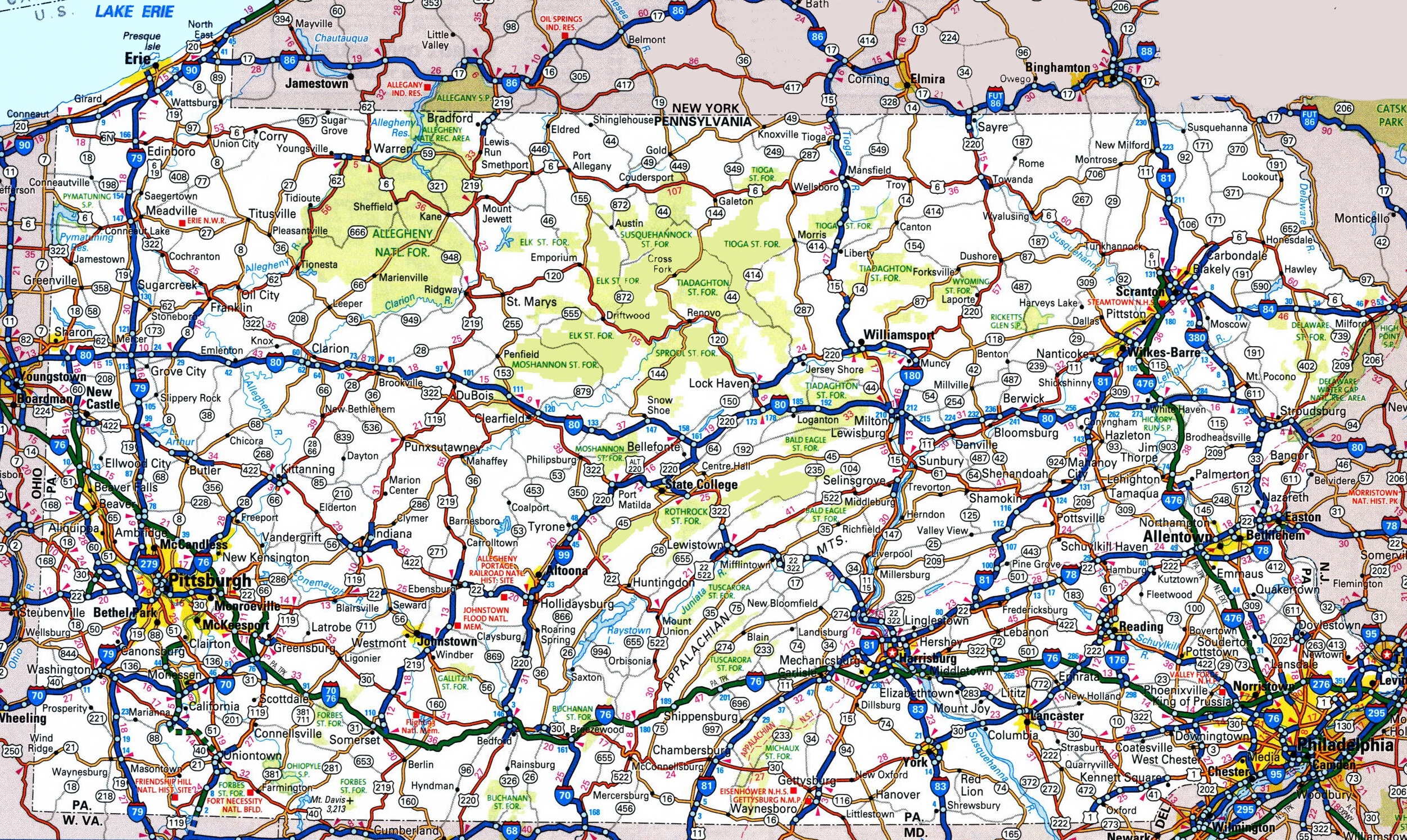 Road Map Road Map
 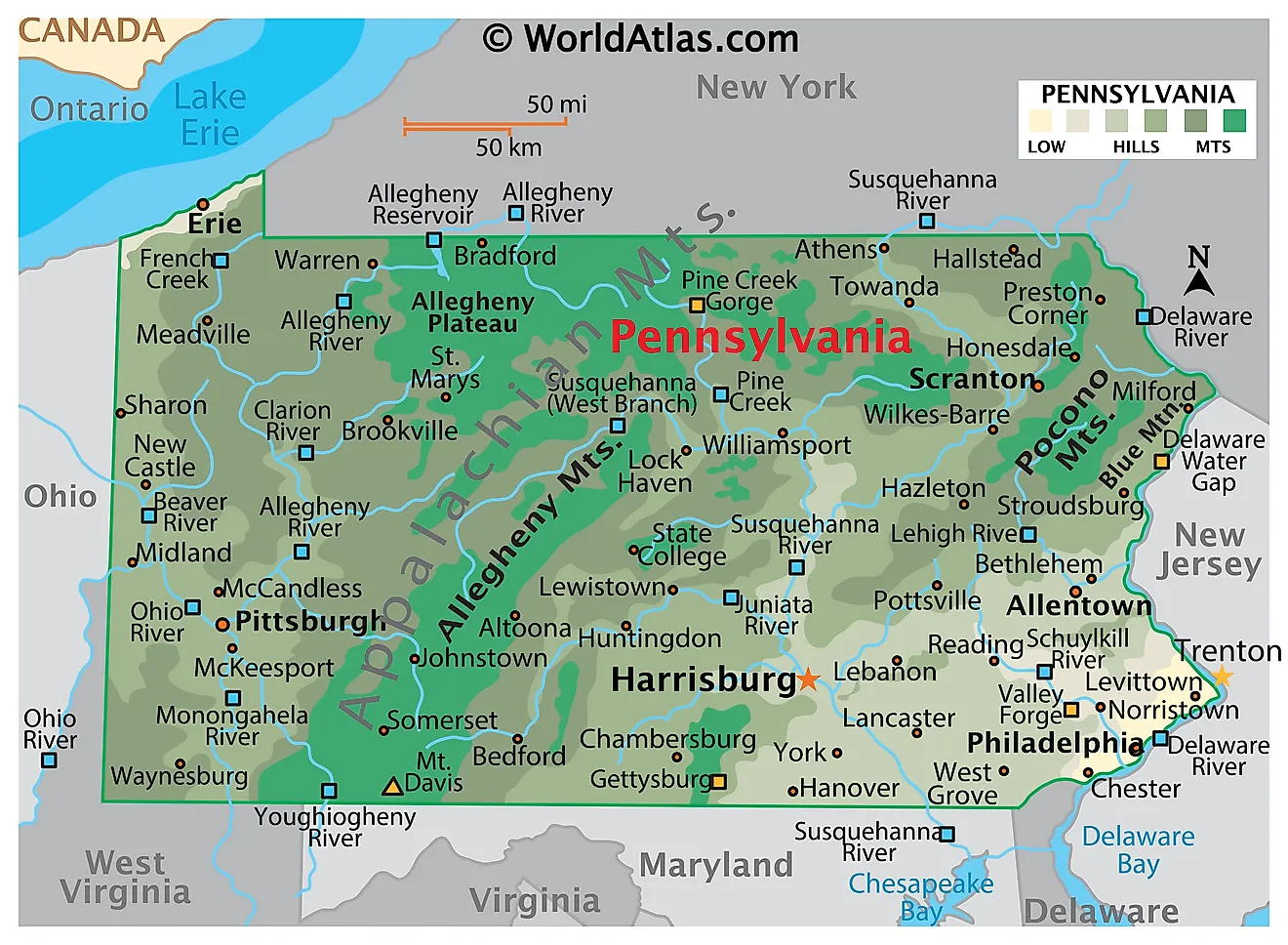 Navigating The Landscape A Guide To The County Map Of Pa
  Map Of And Maps Simple
  Map E
Map E  SEWN Contact United States Steel Valley Authority dd
  Western Pa County Map
  Map Of Western MAT Genuine Antique Map Western Circa Cram Maps Of
 List Of Western Pa Counties At Richard Jett Blog Road Map Of With Cities