What specific AI technologies are used in modern travel maps?
Modern AI travel maps employ a suite of technologies including machine learning for predictive analytics, natural language processing for voice commands and searches, and computer vision for real-time environmental analysis. Data fusion integrates various sources like traffic, weather, and social media. Deep learning algorithms continuously refine personalization, ensuring highly accurate and dynamic travel guidance.
How do AI Travel Maps ensure data privacy for users?
AI Travel Maps prioritize data privacy through anonymization, encryption, and strict compliance with global regulations like GDPR and CCPA. Users often have granular control over data sharing settings. Companies employ robust security protocols and frequently audit their systems. This ensures personal information used for customization remains secure and private, building user trust.
Can AI Travel Maps adapt to sudden itinerary changes?
Yes, AI Travel Maps are designed to dynamically adapt to sudden itinerary changes with remarkable flexibility. Utilizing real-time data feeds and predictive algorithms, they can instantly reroute, suggest alternative activities, or even re-plan entire segments of your trip. This ensures minimal disruption, providing seamless adjustments to unexpected events like flight delays or road closures.
What is the environmental impact consideration for AI mapping?
AI mapping considers environmental impact by optimizing routes for fuel efficiency and promoting public transport or cycling options. They can highlight eco-friendly accommodations and activities. While data processing consumes energy, the potential for reducing carbon footprints through smarter travel choices is significant. Developers increasingly focus on energy-efficient AI models.
How do AI Travel Maps integrate with smart city initiatives?
AI Travel Maps integrate seamlessly with smart city initiatives by accessing real-time urban data, such as public transport schedules, smart parking availability, and localized event information. This allows them to provide comprehensive, integrated urban navigation and guidance. They contribute to reducing congestion and enhancing urban mobility, creating a more efficient city experience for everyone.
AI travel maps, personalized navigation, smart itinerary planning, future of travel apps, real-time mapping AI, predictive travel technology, AI tourism guide, interactive travel assistant, destination AI, customized routes, machine learning travel, smart travel toolsAI-Powered Travel Maps are rapidly transforming how explorers plan and experience their journeys across the United States and beyond. These intelligent platforms integrate real-time data, predictive analytics, and personalized recommendations, moving far beyond traditional navigation. Travelers are discovering hyper-customized itineraries that adapt dynamically to their preferences, whether they seek hidden gems, popular landmarks, or efficient routes. This innovation in digital mapping provides unparalleled insights into traffic, weather, local events, and even social sentiment for destinations. As technology advances, these sophisticated tools promise to elevate travel spontaneity and efficiency, making every trip a truly unique and effortlessly managed expedition. Understanding this trend is essential for modern adventurers seeking smart, integrated travel solutions that evolve with every step of their journey.
- Can AI travel maps suggest local experiences beyond popular attractions? - Absolutely, AI travel maps excel at recommending hyper-local experiences. They analyze your preferences and local data, including social media trends and obscure blogs, to suggest unique spots. This ensures you discover authentic cultural encounters and hidden gems, moving beyond the usual tourist traps for a truly personalized adventure.
- How do AI travel maps use real-time data for navigation? - AI travel maps integrate real-time data from various sources such as traffic sensors, weather feeds, and public transit schedules. They use this information to dynamically calculate the fastest or most convenient routes, provide live updates on delays, and offer proactive suggestions for alternative transportation. This ensures optimal navigation always.
- Are AI-powered travel planning tools easy to use for beginners? - Yes, AI-powered travel planning tools are designed with user-friendliness in mind, even for beginners. Intuitive interfaces, clear instructions, and smart defaults make them accessible. Many offer guided setup processes to help users personalize preferences easily, ensuring a smooth and straightforward experience from the very first use without technical hurdles.
- What kind of personalized recommendations can AI travel maps offer? - AI travel maps offer personalized recommendations covering a wide spectrum, including dining based on your cuisine preferences, attractions aligned with your interests, and accommodations fitting your budget and style. They can also suggest events, local tours, and even spontaneous activities, all tailored to create a unique and memorable journey for you.
- Do AI travel maps work offline in areas with no internet connection? - Many advanced AI travel maps offer robust offline capabilities. Users can often download maps and data for specific regions before their trip. While real-time updates require an internet connection, core navigation and previously downloaded personalized recommendations typically function seamlessly offline. This ensures reliability in remote or low-connectivity areas.
- How do AI travel maps predict future travel conditions or congestion? - AI travel maps predict future conditions by analyzing historical data, current traffic patterns, weather forecasts, and scheduled events using machine learning models. These models identify recurring patterns and project likely scenarios, such as peak hour congestion or event-related delays. This allows the maps to suggest optimal travel times proactively.
- Can AI travel maps help me discover sustainable tourism options? - Yes, AI travel maps are increasingly designed to help users discover sustainable tourism options. They can highlight eco-friendly accommodations, recommend low-carbon transportation like cycling or public transit, and suggest local businesses committed to ethical practices. This empowers travelers to make environmentally conscious choices, supporting responsible and sustainable travel globally.
Are you tired of navigating through generic travel plans and missing out on hidden gems? Many travelers wonder how to make every journey truly unique. AI-Powered Travel Maps are here to change that, fundamentally transforming how we discover and experience the world. These intelligent platforms are not just about getting from point A to point B.
They are about crafting an entire personalized narrative for your trip, adapting to your preferences. By 2026, these advanced systems will offer unprecedented detail, including hyper-local recommendations. This exciting evolution in digital mapping promises to elevate every travel experience.
The Dawn of Intelligent Exploration
The landscape of travel planning is undergoing a dramatic transformation driven by artificial intelligence. Travelers are now seeking more than just directions; they crave deeply personal experiences. AI-powered maps leverage vast datasets to understand individual travel styles and interests, creating bespoke itineraries that adapt dynamically to real-time conditions and personal whims.
How AI Reshapes Your Journey
- Personalized routes are crafted based on your historical travel data and stated preferences.
- Dynamic adjustments provide alternative suggestions for traffic, weather, or unexpected closures.
- Real-time recommendations surface nearby attractions, dining, and events tailored to your tastes.
- Predictive analytics anticipate your needs, suggesting the best times to visit popular sites.
Imagine a scenario in 2026 where your map isn't just a guide but a companion, learning from your interactions. These maps integrate with smart devices to offer seamless transitions between driving, walking, and public transport. Drone-assisted mapping updates ensure even the most remote areas are accurately represented, providing unparalleled navigational confidence for every explorer.
Beyond Navigation: The Persona of the Modern Traveler
AI-powered travel maps cater to a specific kind of adventurer, one who values efficiency, personalization, and discovery. Consider the modern explorer, an archetype AI-powered travel maps are meticulously designed to serve. Picture someone with an impressive Height of 5'10", a lean yet athletic Build, distinctive dark curly Hair, and captivating deep blue Eyes. This adventurous individual typically falls within an Age Range of 28-35 and possesses a vibrant, often multi-Ethnic background, always eager to immerse themselves in authentic experiences.
This discerning traveler thrives on unique cultural encounters and appreciates technology that enhances their journey without overwhelming it. They seek tools that not only guide them but also inspire them, offering insights that traditional guidebooks simply cannot. These maps are built for those who want to maximize their time and truly connect with their destinations, avoiding tourist traps while discovering local treasures with ease and confidence.
Unpacking the Tech: What Powers AI Maps?
The magic behind AI travel maps lies in their sophisticated algorithms and ability to process immense amounts of data. These systems combine various forms of artificial intelligence to deliver their cutting-edge functionality. From machine learning models that predict user behavior to natural language processing for voice commands, the technology is robust.
Predictive Analytics and Real-time Data
AI maps continuously analyze real-time data feeds, including traffic patterns, weather forecasts, and social media trends. This allows them to predict congestion, recommend alternative routes, and suggest activities aligning with current local events. The maps can even anticipate your next move based on your past decisions.
Hyper-Personalization Algorithms
At the core of these maps are algorithms that learn your preferences over time. They understand if you prefer bustling city centers or tranquil natural parks, gourmet dining or street food. This constant learning refines recommendations, ensuring each suggestion feels like a thoughtful insight rather than a generic prompt for your next journey.
What Others Are Asking?
How do AI Travel Maps personalize my trip?
AI Travel Maps personalize your trip by analyzing your past travel history, preferences, and real-time behavior. They use machine learning algorithms to suggest bespoke itineraries, attractions, and dining experiences. This ensures every recommendation aligns perfectly with your individual interests, making each journey uniquely tailored and deeply satisfying for you.
Can AI Travel Maps suggest local hidden gems?
Yes, AI Travel Maps are exceptionally good at uncovering local hidden gems. Their algorithms scour vast amounts of data, including local blogs and lesser-known reviews, to identify unique spots. They learn what constitutes a 'hidden gem' for you based on your preferences, guiding you away from typical tourist paths towards authentic, memorable experiences.
Are AI-powered navigation tools reliable in remote areas?
AI-powered navigation tools are becoming increasingly reliable even in remote areas. Advances in satellite mapping and offline data storage mean many AI maps can function without constant internet connectivity. They also prioritize safer, more accessible routes, offering peace of mind. Regular updates further enhance their accuracy and coverage globally.
What makes AI travel maps different from regular GPS?
AI travel maps go beyond regular GPS by offering intelligent, personalized insights rather than just directions. While GPS provides static routing, AI maps dynamically adapt to real-time conditions, learn user preferences, and suggest experiences. They proactively optimize your journey and offer proactive recommendations, creating a truly smart travel companion.
Will AI travel mapping save me money on my trips?
AI travel mapping can absolutely save you money on your trips. By optimizing routes to avoid tolls and traffic, suggesting cost-effective local dining options, and highlighting free attractions, these maps help you budget effectively. They also identify the most efficient transportation methods, minimizing unexpected expenses and maximizing your travel funds smartly.
Final Thoughts on AI-Powered Travel Maps
AI-Powered Travel Maps are more than just an evolution in navigation; they are a revolution in personalized exploration. By integrating advanced analytics and user-centric design, these intelligent tools promise to make every journey in 2026 smoother, richer, and uniquely yours. The future of travel is undeniably smart.
How will AI travel maps reshape your personal discovery of new places? What unexpected adventures might they uncover for you?
AI-Powered Travel Maps offer dynamic personalization for itineraries, integrate real-time data for navigation, provide predictive analytics for smoother journeys, suggest hidden gems and popular spots, and adapt to user preferences in real-time. They redefine travel planning.


AI And The Future Of Travel Trends To Watch In 2026 Cairo Aswan A Tech 2026 Guest Experiences Hotel Strategies Chatgpt Image Jan 2026 AM How Is Changing Planning 2026 Why Advisors Still FA987307 C328 4C9D A2B2 Automation Technology Traveltech Show Filters No Upscale Top Tools 2026 Reference Guide Nxvoy 2026.
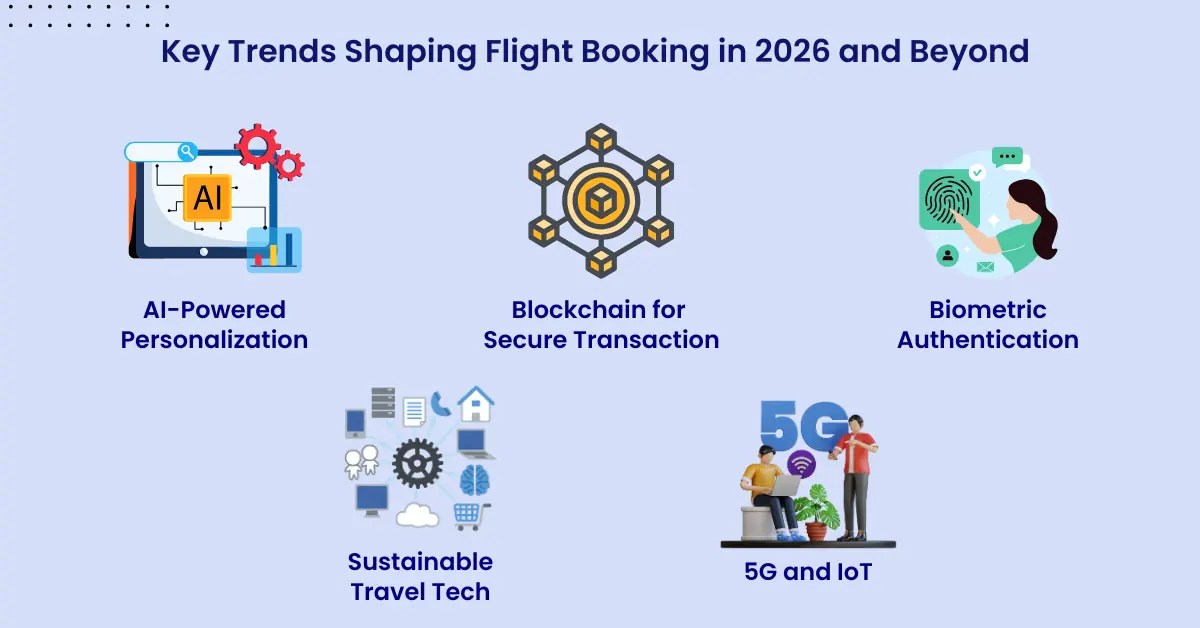


The Future Of Flight Booking Technology In 2026 And Beyond Key Trends Shaping 2026 AI Travel Solutions Tourism Planning 2026 Powered How Smart Is B1B08933 D805 498B AB50 Top For 2026 Traveltek Tech Enters A New Era As Travelai Unveils Bold Leadership Shift To Digital Landscape.


Top Travel Technology Trends For 2025 You Can T Ignore In Use Cases And Examples Of Predictive Analytics Future ATM 2026 To Spotlight The Global Safari India Era Booking Com Predicts Defining 191846 Predictions 2026 Infographic 2026 Portrait 2026 Focus On TTG Asia 191846 2026 2026 Landscape 640.


DECODING TRAVEL TECH 2026 TRENDS Traveltech Show 2026 AI Just Ranked The Best For Every Traveler Type In Top Predicted 2026 Regions By Predictive Logistics How Vas Use To Optimize Your Global Schedule Report Guide 2026 260224 R A Mapping Reports 2026 VERTICAL Spread Love Featured Image.
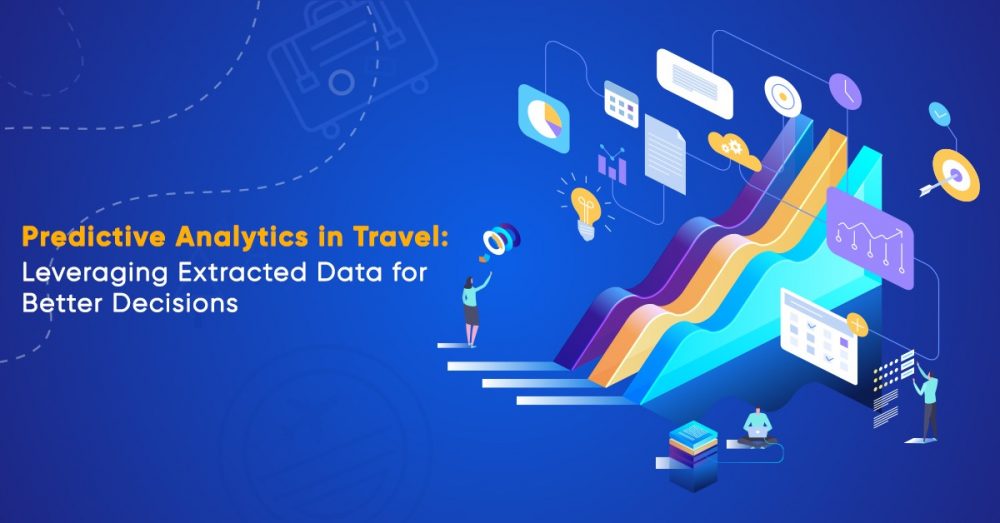


Predictive Analytics In Travel Smarter Decisions Image 181 Digital APAC 2026 Innovation Brief How Technology Will Reshape The Next Decade Future Of Explained Americans Predict 2030 Travelpulse Source.


The Smart Arrival How Predictive AI Is Solving UK S Airport Taxi A Cinematic Wide Angle Photograph Of Lon SAKPP5DJSUS 0UT2UWJRQA Travel Technology In 2026 From To ATM Future Trends Watch 2025 Predicts Next Hotspots 2026 Beach Forecasts Trending Countries Rise Aiot And Health Tech Shaping 2026 Image.