Exploring the North Korea geography map reveals a land dominated by rugged mountains and limited arable plains, largely shaping its history and international relations. This informational guide offers a crucial look for a United States audience into the Democratic People's Republic of Korea's physical landscape. Understanding its diverse geographical features, from the towering peaks of Mount Paektu to the significant border rivers like the Yalu and Tumen, provides essential context. The nation's strategic location on the Korean Peninsula, flanked by the Yellow Sea and East Sea, significantly influences its climate and agricultural capabilities. This deep dive into North Korea's topographical layout is trending as global interest focuses on regional stability and environmental impacts. Dive into the physical elements that define this enigmatic nation. Discover the impact of its mountainous interior and coastal lowlands on population distribution and resource management. This exploration helps us grasp the challenges and unique aspects of North Korea's environment.
What are the major mountain ranges in North Korea?
The major mountain ranges in North Korea include the Nangnim Mountains, which divide the country's east and west. The Hamgyong Mountains are prominent in the northeast, while the Rangrim Mountains also traverse central areas. Mount Paektu, the highest peak, is a sacred active volcano on the Chinese border, culturally and strategically significant.How do the Yalu and Tumen Rivers impact North Korea's geography?
The Yalu and Tumen Rivers are vital to North Korea's geography, forming its northern borders with China and Russia, respectively. These rivers have historically served as natural barriers and critical routes for trade and interaction. They are also important sources of hydropower and water for agriculture in border regions, influencing regional development and resource management.What is the climate like in North Korea?
North Korea experiences a continental climate with distinct seasons. Winters are typically long, very cold, and dry, often with heavy snowfall in mountainous regions. Summers are generally hot, humid, and marked by significant monsoon rainfall, which is crucial for agriculture. Spring and autumn offer milder temperatures and clearer skies, creating a diverse seasonal pattern across the peninsula.What is the significance of Mount Paektu in North Korean culture?
Mount Paektu holds profound significance in North Korean culture and national identity. It is revered as the mythical birthplace of the Korean people and is extensively featured in state ideology as the ancestral home of Kim Il Sung and his revolutionary activities. This sacred status makes it a powerful symbol of national pride, resilience, and the ruling dynasty's legitimacy, deeply embedded in propaganda.How does the limited arable land affect North Korea?
North Korea's limited arable land, due to its mountainous terrain, significantly impacts its food security and agricultural self-sufficiency. This geographical constraint means a smaller portion of land is suitable for farming, leading to challenges in feeding its population. Consequently, the country often faces food shortages and relies on a combination of domestic production and, at times, international aid or imports.What bodies of water border North Korea?
North Korea is bordered by two major bodies of water: the Yellow Sea to its west and the East Sea (also known as the Sea of Japan) to its east. The Yellow Sea separates it from China's coastline, while the East Sea provides direct access to the Pacific Ocean. These seas are important for fishing, coastal trade, and naval activities.Understanding the north korea geography map is crucial for anyone seeking to grasp the nation's complexities. This landscape, primarily defined by its mountainous terrain, plays a significant role in its isolation and strategic positioning. We will explore the key geographical features that shape the Democratic People's Republic of Korea.
The physical layout of North Korea presents distinct challenges and opportunities. Its borders with China, Russia, and South Korea are often marked by formidable natural barriers. The East Sea and Yellow Sea flank its coasts, influencing climate and trade. Knowing these details provides valuable insight into the country's development and foreign policy.
The Lay of the Land: North Korea Geography Map
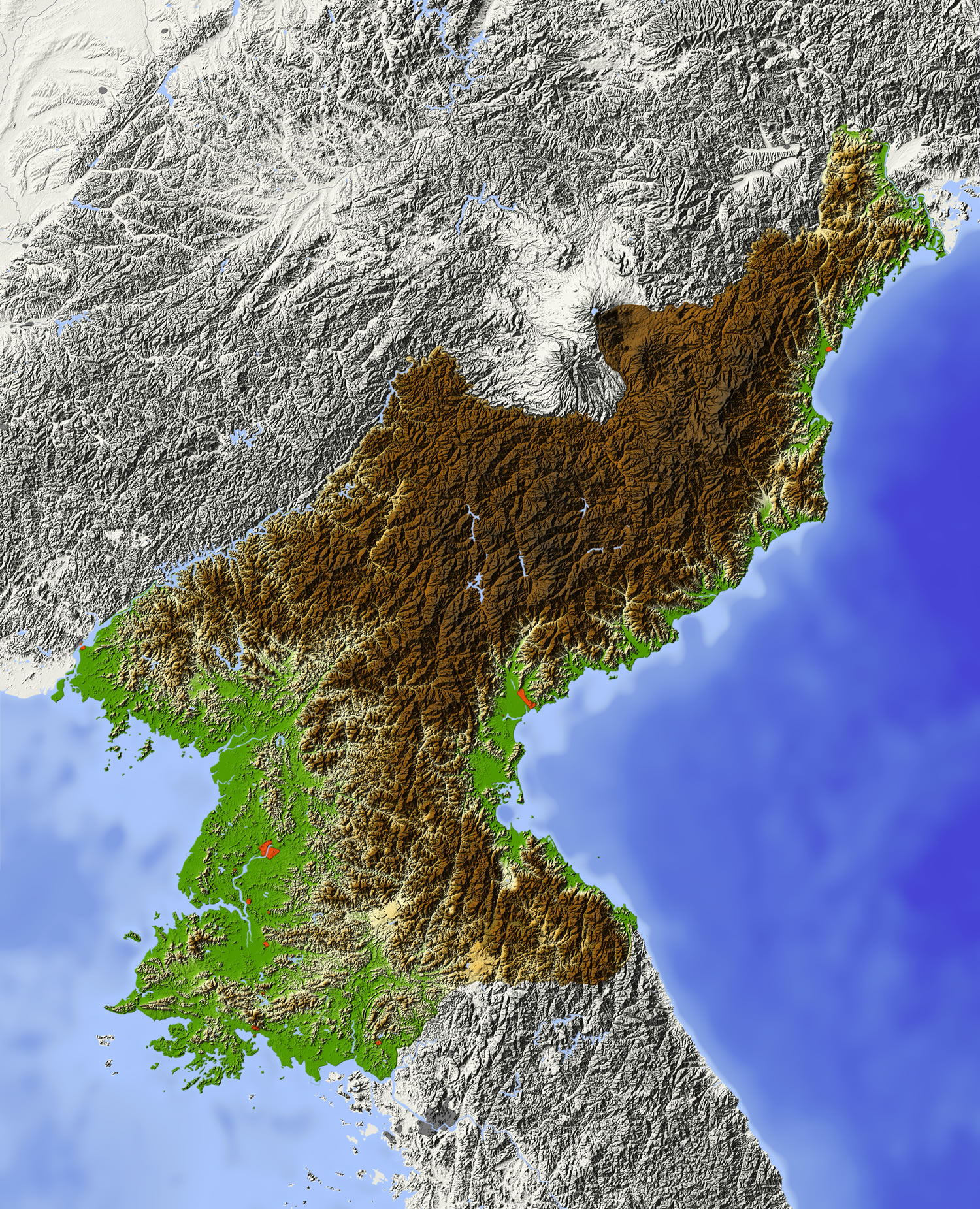
North Korea is located on the northern half of the Korean Peninsula. It covers an area of approximately 120,540 square kilometers. The country is largely mountainous, particularly in its northern and eastern regions. These mountains form natural defenses and have historically contributed to its isolation.
Major Mountain Ranges of the North Korea Geography Map
The **Nangnim Mountains** stretch through the central part of the country. They create a significant divide between the eastern and western coastal areas. The highest peak in North Korea, **Mount Paektu (Baekdu Mountain)**, is an active volcano on the border with China. This sacred mountain is pivotal in Korean mythology and culture. Other important ranges include the Hamgyong Mountains and the Rangrim Mountains.
Rivers and Coasts on the North Korea Geography Map
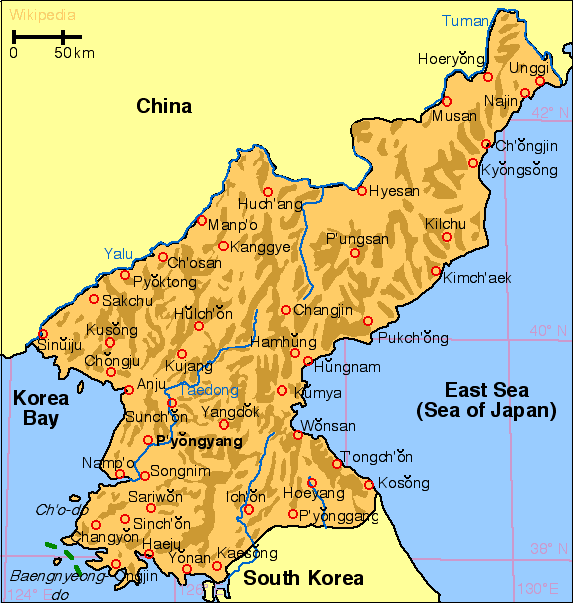
Two major rivers define North Korea's northern borders. The **Yalu River (Amnokgang)** forms the border with China. The **Tumen River** largely separates North Korea from China and a small part of Russia. These rivers are vital for transportation and hydropower. Along its western coast, the country meets the **Yellow Sea** and Korea Bay. To the east, it borders the **East Sea (Sea of Japan)**. Coastal plains are more prominent on the west, offering relatively fertile land.
Climate and Agriculture in the North Korea Geography Map
North Korea experiences a continental climate with four distinct seasons. Winters are generally long, cold, and dry, while summers are hot and humid, often influenced by monsoons. This climate, combined with the mountainous terrain, limits the amount of arable land available. Agriculture is concentrated in the western coastal plains and river valleys. Rice, corn, and potatoes are primary crops.
What Others Are Asking? About the North Korea Geography Map
What are the main geographical features of North Korea?
North Korea is predominantly mountainous, featuring major ranges like the Nangnim and Hamgyong Mountains. Its highest point is Mount Paektu. Significant rivers such as the Yalu and Tumen form northern borders. The country has coastlines along the Yellow Sea to the west and the East Sea to the east. Limited plains are found mainly along the west coast and river valleys.
How does North Korea's geography impact its economy?
North Korea's mountainous geography significantly limits arable land, posing challenges for agricultural production and food security. However, its rugged terrain is rich in mineral resources like coal, iron ore, and magnesite, which are crucial for its heavy industry. The strategic location and natural barriers also influence trade routes and infrastructure development, contributing to its economic isolation.
What is Mount Paektu's significance in North Korea?
Mount Paektu holds profound cultural and historical significance in North Korea. It is considered the sacred ancestral home of the Korean people and is central to state propaganda, often linked to the Kim dynasty. The mountain, an active volcano on the border with China, is revered as a symbol of the nation's revolutionary spirit and identity.
Where are North Korea's major cities located in relation to its geography?
North Korea's major cities are typically situated in the country's more accessible lowlands and river valleys. The capital, Pyongyang, lies on the Taedong River in the western plains. Other important cities, like Hamhung and Chongjin, are located along the relatively narrow eastern coastal strip or within major river basins. This distribution reflects the challenging mountainous interior.
What bodies of water border North Korea?
North Korea is bordered by two significant bodies of water. To its west, it meets the Yellow Sea and Korea Bay, which separate it from China. To its east, the country borders the East Sea, also known internationally as the Sea of Japan. These coastal regions are important for fishing, limited shipping, and naval activities, shaping its maritime presence.
FAQ: Exploring the North Korea Geography Map
What is the North Korea geography map?
The North Korea geography map illustrates the physical landscape of the Democratic People's Republic of Korea, including its mountains, rivers, coastlines, and climate zones. It shows the country's location on the Korean Peninsula, bordering China, Russia, and South Korea.
Where is North Korea located geographically?
North Korea is located in East Asia, occupying the northern portion of the Korean Peninsula. It borders China and Russia to the north, South Korea to the south, the Yellow Sea to the west, and the East Sea (Sea of Japan) to the east.
Why is North Korea's geography important?
North Korea's geography is important because its mountainous terrain has historically contributed to its isolation and defense. It influences agricultural capacity, resource distribution, and strategic military positioning, impacting the nation's economy, politics, and social structure.
How does the Yalu River relate to the North Korea geography map?
The Yalu River is a crucial feature on the North Korea geography map as it forms a significant portion of the country's northwestern border with China. It plays a vital role in trade, hydropower generation, and as a historical boundary marker.
Key Geographical Information for North Korea
Here is a table summarizing key geographical facts about North Korea:
| Feature | Description |
| Land Area | Approximately 120,540 square kilometers |
| Highest Point | Mount Paektu (2,744 meters / 9,003 feet) |
| Border Countries | China, Russia, South Korea |
| Major Rivers | Yalu River, Tumen River, Taedong River |
| Bordering Seas | Yellow Sea (West), East Sea / Sea of Japan (East) |
| Terrain | Mostly rugged mountains; broad coastal plains in west, narrow plains in east |
| Climate | Continental; long, cold, dry winters; hot, humid, monsoon summers |
| Arable Land | Approximately 19% of total land area |
As you can see, the north korea geography map is a fascinating study of a land shaped by its rugged mountains and strategic waterways. It tells a story of both challenge and unique resilience, continuing to intrigue observers worldwide.
North Korea's geography is overwhelmingly mountainous, with the highest peak being Mount Paektu. It shares borders with China, Russia, and South Korea, and is flanked by the Yellow Sea and East Sea. Major rivers like the Yalu and Tumen define its northern boundaries. Limited arable land impacts its agricultural self-sufficiency. The climate is continental with cold, dry winters and hot, humid summers.
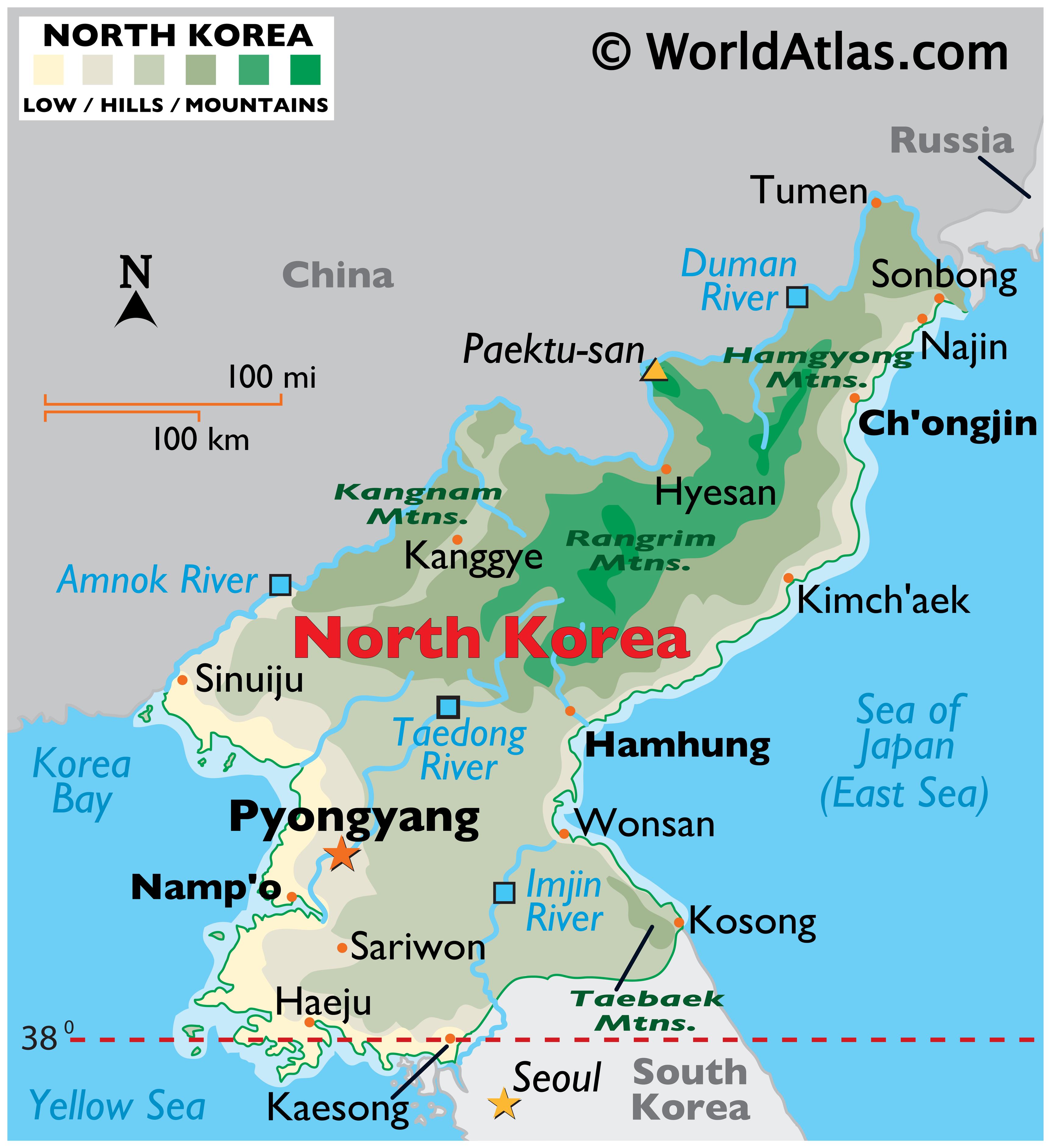 Geography In North Korea At Joel Herrera Blog Kp
 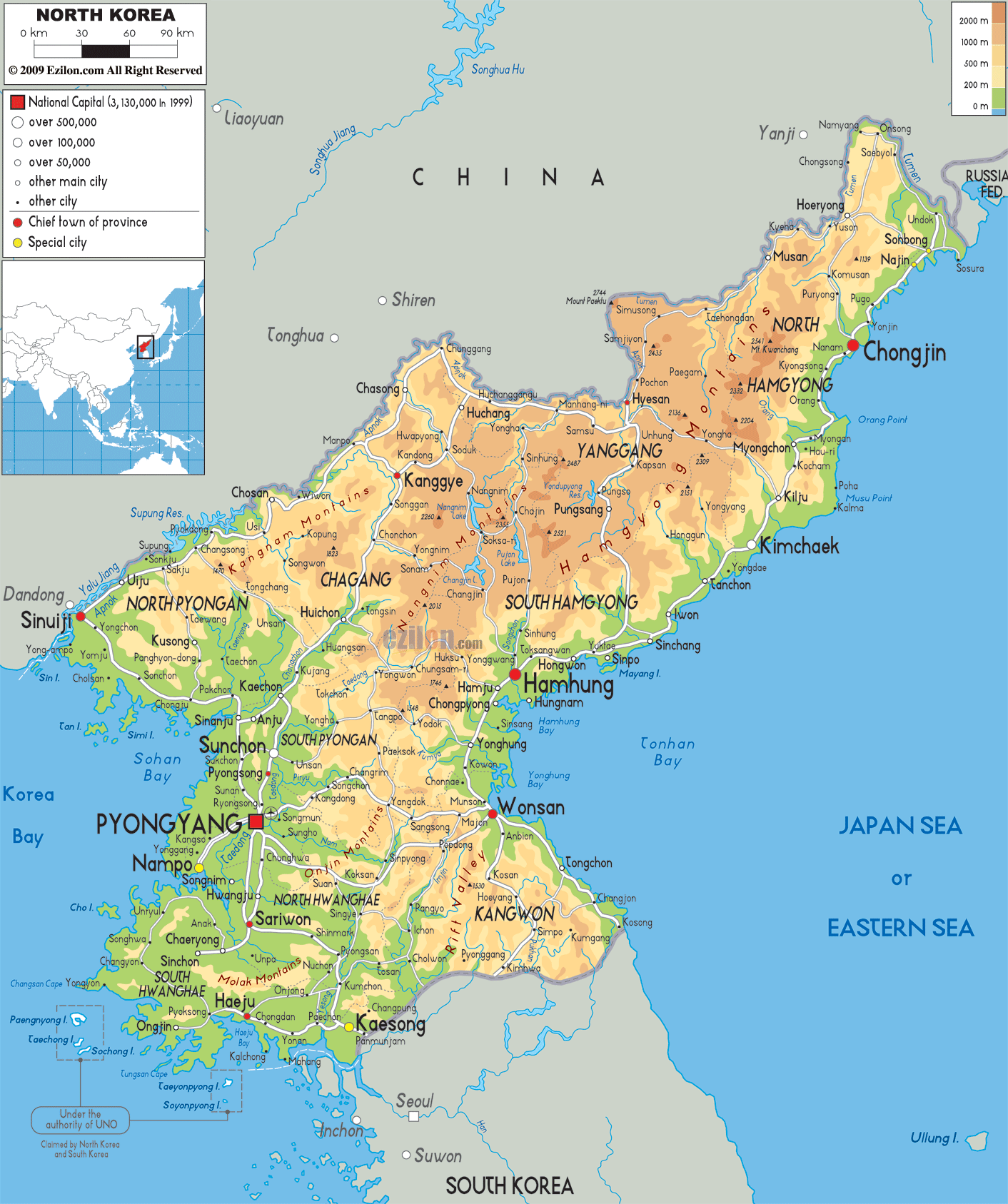 North Korea Geography Note At Jamie Gibb Blog North Korea Physical Map
 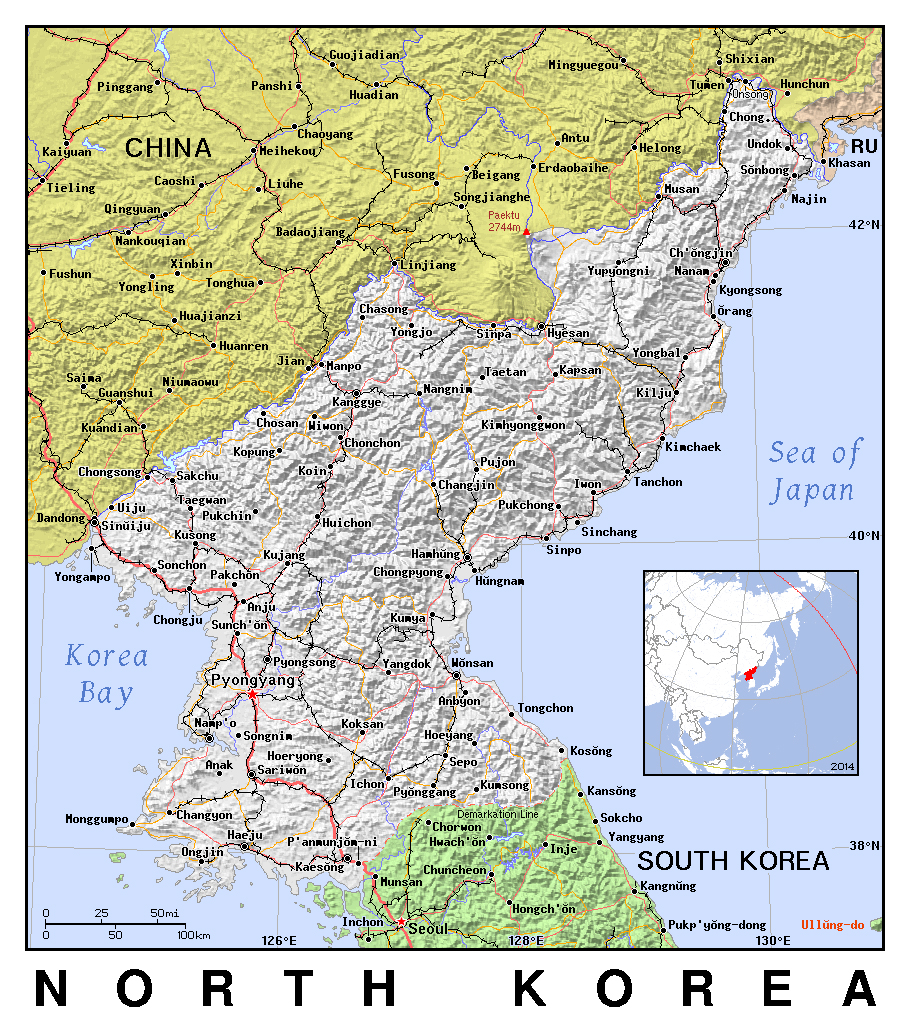 Geography Map Of North Korea At Erin Ayers Blog Detailed Political Map Of North Korea With Relief
 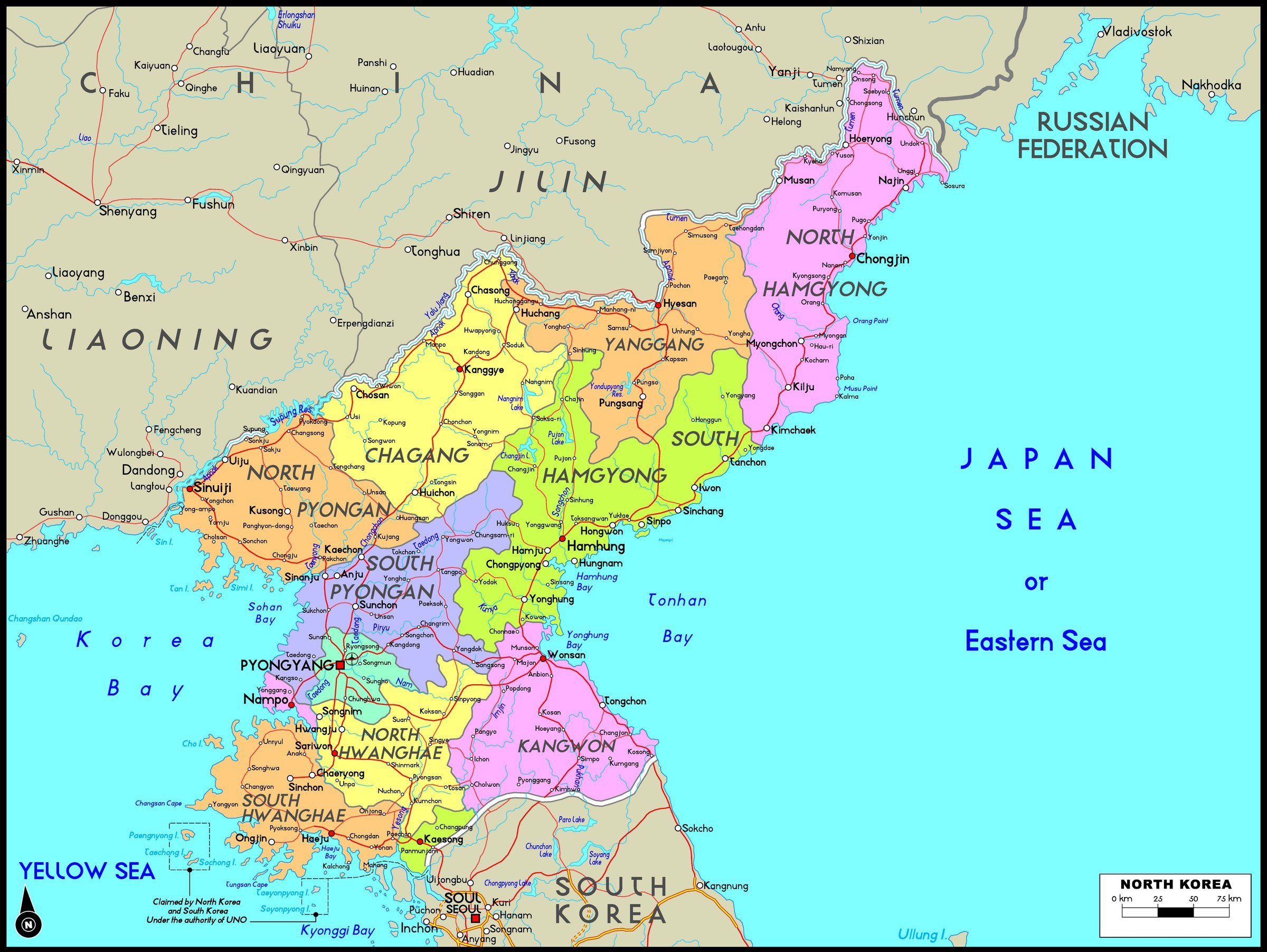 Navigating The Uncharted North Korea S Map In North Korea Map
  North Korea Physical Map Northkorea Geography
  Navigating The Complex Terrain A Deep Dive Into The Map Of North Korea North Korea Relief Map
 .png) North Korea Geography Note At Jamie Gibb Blog NORTH KOREA ()
North Korea Geography Note At Jamie Gibb Blog NORTH KOREA () 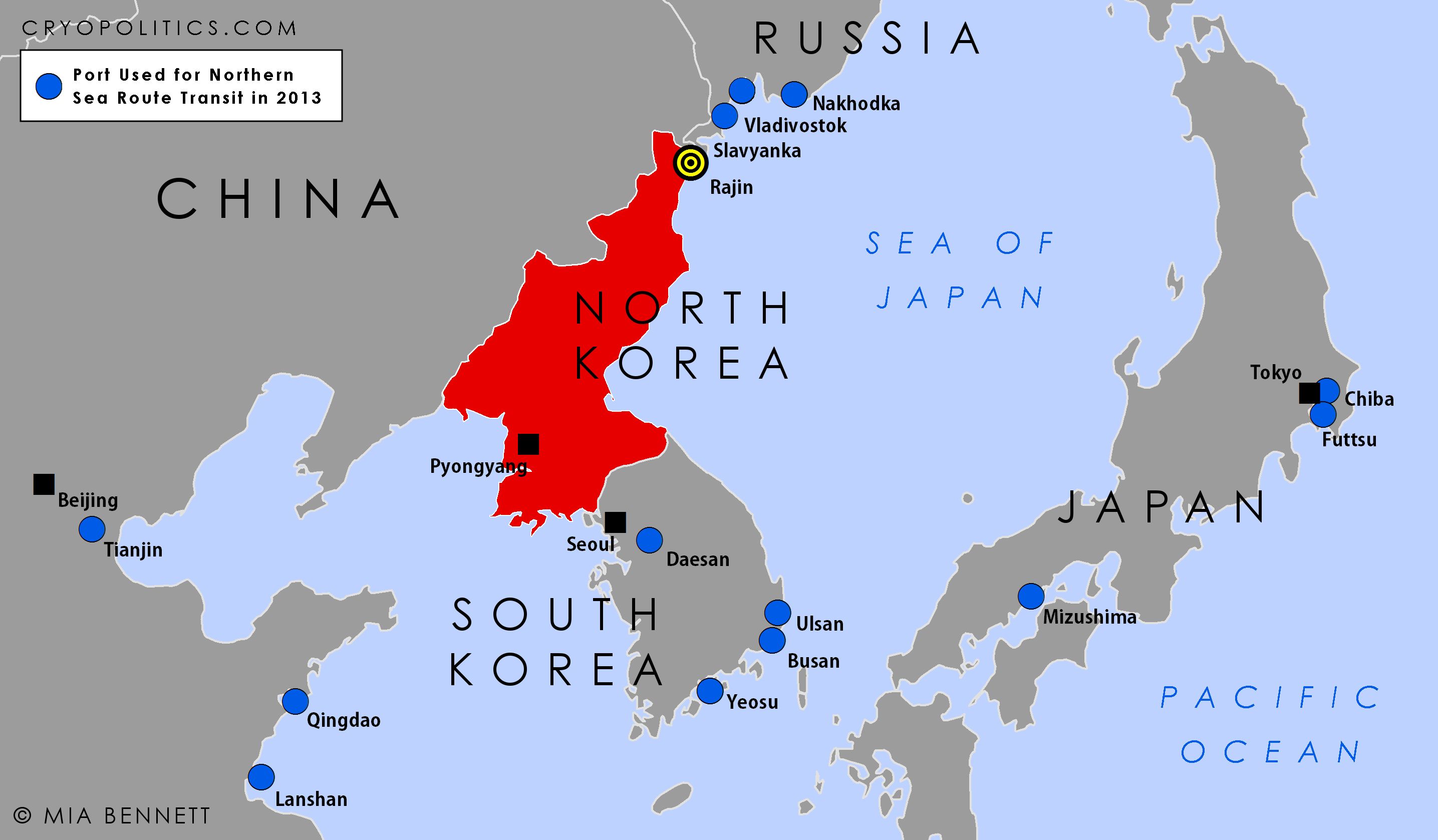 Russia North Korea Economic Ties Is There More Than Meets The Eye
  Physical Geography Of Korea At Ray Ratliff Blog Korean Peninsula Map
  Atlas Of North Korea Wikimedia Commons px North Korea CIA Map
  North Korea Maps Facts World Atlas Kp