Discovering ancient fruit in the USA offers a fascinating journey into forgotten superfoods. These historical treasures, once central to indigenous diets, are now regaining popularity for their unique nutritional profiles and potential health benefits. From tart exotic berries to robust indigenous varieties, exploring ancient fruit provides a wealth of informational and navigational opportunities for health-conscious consumers. Dive into the world of these ancestral edibles, understanding their origins, cultivation, and how they can enrich modern American diets. This growing trend sparks curiosity about sustainable eating, diverse flavors, and the powerful legacy of nature's original produce. Explore recipes, locate suppliers, and learn about the incredible stories behind each ancient fruit.
What nutritional benefits do ancient fruits offer?
Ancient fruits are often packed with superior levels of antioxidants, vitamins, and minerals compared to conventional varieties. For example, many contain high concentrations of anthocyanins, known for anti-inflammatory properties, and robust fiber content aiding digestion. Their natural genetic makeup ensures a powerful nutrient profile. Integrating them can significantly boost daily wellness and provide essential micronutrients. They are truly nature's concentrated health boosters.
How do ancient fruits differ from modern cultivated fruits?
Ancient fruits typically retain their original genetic diversity and characteristics, largely untouched by intensive selective breeding for commercial traits like size or shelf life. Modern fruits, in contrast, have been optimized for yield, transportability, and appearance, sometimes at the expense of nutrient density or unique flavors. This distinction makes ancient varieties particularly special. They represent natural evolution.
Can ancient fruits be grown in home gardens in the USA?
Absolutely! Many ancient fruits, especially native varieties like pawpaws, saskatoon berries, and American persimmons, are excellent choices for home gardens across various US hardiness zones. They often require less intensive care than modern cultivars and can contribute to local biodiversity. Researching specific varieties suited to your climate ensures success. Growing them connects you to history.
Are there any culinary limitations when using ancient fruits?
While incredibly versatile, some ancient fruits may have specific culinary nuances due to their unique flavors or textures. For instance, some might be more tart or have a shorter shelf life, requiring immediate use or specific preparation methods like cooking into preserves. However, these characteristics also open doors to creative and distinct recipes. Understanding their nature enhances cooking.
What role did ancient fruits play in historical diets?
Ancient fruits were fundamental staples in historical diets, especially for indigenous populations, providing crucial seasonal nutrition, medicinal benefits, and cultural significance. They often served as primary food sources, preserved for winter, and were integral to traditional ceremonies and healing practices. Their role extended far beyond mere sustenance. They sustained communities for millennia.
What is the best way to preserve ancient fruit harvests?
Preserving ancient fruit harvests effectively can include freezing, drying, making jams, jellies, or fruit leathers. Each method retains different aspects of the fruit's flavor and nutrients. For instance, freezing maintains freshness for smoothies, while drying concentrates sweetness for snacks. Choosing the right preservation technique depends on the fruit type and intended use. Proper preservation extends enjoyment.
Are all ancient fruits safe for consumption?
Most widely recognized ancient fruits are safe for consumption when ripe and prepared correctly. However, as with any food, it is crucial to accurately identify wild varieties and ensure they are not toxic or improperly harvested. Always source from reputable suppliers or forage with expert guidance. When in doubt, always err on the side of caution. Safety should always be a priority.
Welcome to a fascinating exploration of ancient fruit, a captivating trend sweeping across the United States in 2026. These incredible edible treasures, often overlooked for centuries, are now being rediscovered for their extraordinary nutritional value and unique flavors. We are diving into what ancient fruit is, why it matters, when its popularity surged, where these fruits are found, how to enjoy them, and why they offer immense health benefits. This guide aims to equip you with all the essential information to embrace this exciting and wholesome food revolution.
The Resurgence of Ancient Fruit in the USA
Ancient fruit refers to varieties cultivated for millennia, deeply rooted in historical agricultural practices and often tied to indigenous cultures. Unlike common supermarket produce, these fruits have largely maintained their original genetic profiles. Their resurgence highlights a collective desire for authentic, nutrient-dense foods in American diets today. Many people are seeking unique flavors and powerful health benefits. This movement aligns perfectly with contemporary wellness trends and sustainable eating practices.
Why Ancient Fruit is a Health Game-Changer
These historical fruits are nutritional powerhouses, often packed with higher concentrations of vitamins, minerals, and antioxidants compared to their modern counterparts. For instance, saskatoon berries are rich in anthocyanins, supporting overall wellness. Elderberries offer immune-boosting properties, making them valuable. Integrating ancient fruit into your diet means embracing natural goodness. It provides a unique opportunity to enhance your daily nutrition effectively. Their robust genetic makeup offers significant health advantages.
Discovering Popular Ancient Fruit Varieties
The United States boasts several incredible native and historically cultivated ancient fruit varieties. Pawpaws, with their creamy, tropical flavor, are a true American gem. Chokecherries offer a tart kick, perfect for jams and jellies. American persimmons provide sweet, flavorful pulp when fully ripe. Exploring these options opens up a world of distinct tastes. These varieties provide excellent opportunities for culinary creativity and healthy eating. Each ancient fruit tells a unique story.
Bringing Ancient Fruit to Your Table
Incorporating ancient fruit into your meals is both easy and rewarding. You can enjoy them fresh, dried, or as ingredients in smoothies, desserts, and savory dishes. Consider adding aronia berries to your breakfast cereal for an antioxidant boost. Mulberries, sweet and versatile, elevate any baked good. Their unique profiles can transform everyday recipes. This versatility makes them perfect for any home chef. Experimenting with these fruits expands your culinary horizons delightfully.
Ancient Fruit Nutritional Snapshot
| Ancient Fruit | Key Nutrients | Common Uses |
|---|---|---|
| Saskatoon Berry | Antioxidants, Fiber, Iron | Pies, Jams, Smoothies |
| Pawpaw | Vitamin C, Potassium, Magnesium | Desserts, Smoothies, Fresh Eating |
| Elderberry | Vitamin C, Antioxidants | Syrups, Jellies, Herbal Remedies |
| Aronia Berry | Powerful Antioxidants (Anthocyanins) | Juices, Jams, Dried Snacks |
| American Persimmon | Vitamin C, Fiber, Carotenoids | Puddings, Breads, Fresh Eating |
What Others Are Asking? about Ancient Fruit
What exactly are ancient fruits?
Ancient fruits are varieties that have been cultivated or grown wild for thousands of years, often retaining their original genetic properties. They predate modern agricultural hybridization and selection, offering unique nutritional profiles. These fruits connect us to ancestral diets and natural food systems. Their historical significance makes them truly special.
Where can I buy ancient fruits in the USA?
You can often find ancient fruits at farmers markets, specialty grocery stores, or online retailers specializing in rare produce. Local farms might also grow native ancient fruit varieties, offering seasonal availability. Some health food stores also stock dried or processed forms. Researching local sources can reveal hidden gems.
Are ancient fruits more nutritious than modern ones?
Many ancient fruits are indeed more nutrient-dense, often containing higher levels of antioxidants, vitamins, and minerals. This is because they haven't been bred primarily for size or shelf life, preserving their natural potency. Their robust genetic makeup contributes to superior nutritional value. They offer a powerful health advantage.
How do I incorporate ancient fruits into my daily meals?
Integrating ancient fruits is simple and delicious. Add them to smoothies, use them in baked goods, make jams or jellies, or enjoy them fresh as a snack. Their distinct flavors can enhance both sweet and savory dishes. Experimenting with ancient fruits enriches your culinary experience. They are wonderfully versatile ingredients.
What are some popular ancient fruits found in North America?
North America is home to several fantastic ancient fruits. Examples include the pawpaw, saskatoon berry, elderberry, chokecherry, and American persimmon. These native varieties offer unique flavors and significant health benefits. They represent a rich part of the continent's natural heritage. Exploring them supports local biodiversity.
FAQ about Ancient Fruit
Who benefits from eating ancient fruit?
Anyone looking to boost their nutritional intake, explore diverse flavors, or support sustainable agriculture can benefit. Health-conscious individuals and food adventurers find them particularly appealing. Ancient fruits offer universal appeal for wellness. They are a great addition to any diet.
What makes an ancient fruit "ancient"?
An ancient fruit is typically one that has been cultivated or harvested for centuries, often maintaining its wild or original genetic traits. It distinguishes itself from modern hybridized commercial varieties. This historical lineage is key. They connect us to humanity's past.
Why are ancient fruits gaining popularity now?
Their popularity is rising due to increased interest in holistic health, ancestral diets, and unique, natural food sources. Consumers are seeking nutrient-dense options beyond conventional produce. This trend reflects a broader wellness movement. They offer exceptional value.
How can ancient fruits support a healthy lifestyle?
Ancient fruits support a healthy lifestyle by providing essential vitamins, minerals, and powerful antioxidants. Their unique compounds can boost immunity, improve digestion, and reduce inflammation. Incorporating them adds vital nutrients. They contribute to overall well-being naturally.
Where do ancient fruits originate?
Ancient fruits originate from various regions worldwide, with many being indigenous to specific continents or locales. North America, for instance, has pawpaws and saskatoon berries. Their origins are diverse, reflecting global biodiversity. Each has a unique geographical story.
Summary of Ancient Fruit Insights
The journey into ancient fruit is a journey into flavor, nutrition, and history. These forgotten treasures offer a potent blend of health benefits and culinary versatility. By embracing ancient fruit, you're not just eating well; you're connecting with a timeless tradition of natural nourishment. Start exploring these amazing fruits today.
Revival of forgotten superfoods. Rich nutritional profiles. Unique flavors and textures. Sustainable food sources. Potential health benefits. Diverse culinary applications. Connects to historical and indigenous foodways. Easy to integrate into modern diets.
35

How To Get Ancient Fruit In Stardew Valley Shockbyte 1536x0. Fruit 2026 Easel Desk Calendar Calendars Com 4fb06e13 2b34 4b64 870d. Botany Fruits 2026 Wall Calendar Calendars Com . How An Ancient Fruit Delivers Modern Health Synergy NaturalNews Com How An Ancient Fruit Delivers Modern Health Synergy - . What Did Ancient Fruit Look Like Let S Explore The Past And Present Of
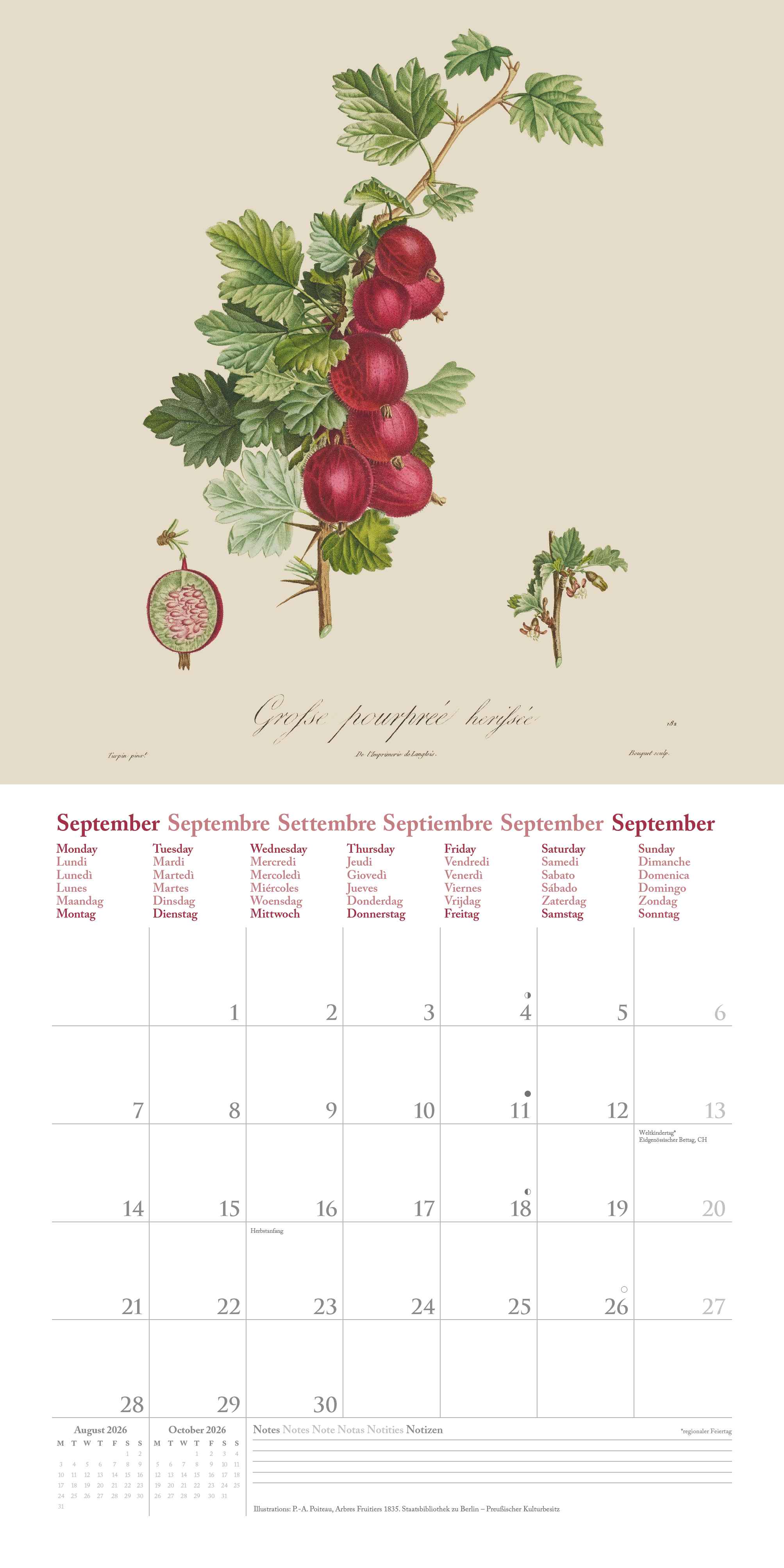


Fruits 2026 Brosch Renkalender Mit Abbildungen Alter 01 Pl . Fruits 2026 Brosch Renkalender Mit Abbildungen Alter 07 Pl . Chris Cab Media. Kain 2026 Five Elements Lucky Fruits FIRE ELEMENT Represent For Media. 2026 Year Number Made Of Fruits And Berries Premium AI Generated PSD 2026 Year Number Made Fruits Berries 883101 17880

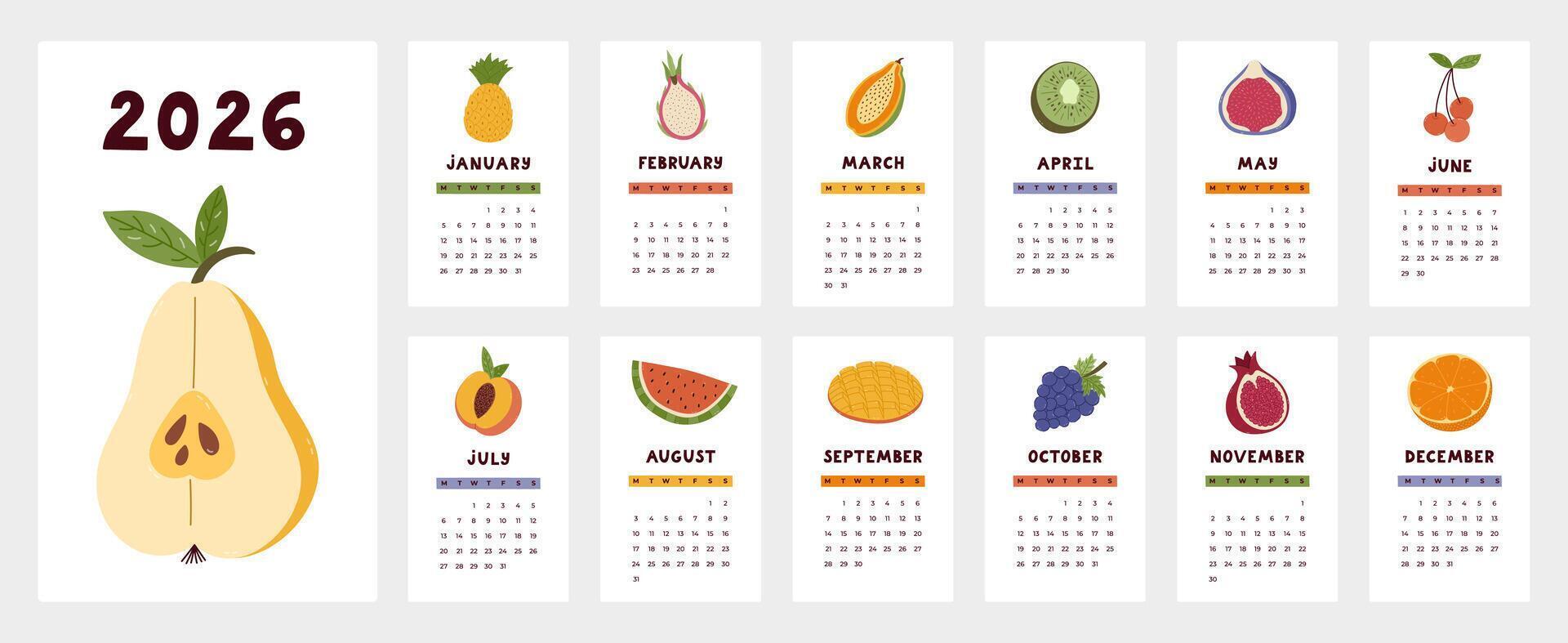

Medjool Dates The Ancient Superfruit Modern Diets Medjool Dates The Ancient Superfruit Modern Diets 850x560 . Premium Photo New Year 2026 Made Of Fruits On The White Background New Year 2026 Made Fruits White Background Healthy Food 661495 32952 . Lovely Calendar Template For 2026 Year With Tropical Fruits Exotic Lovely Calendar Template For 2026 Year With Tropical Fruits Exotic Berries Cartoon Clipart Calendar Grid With Weeks Starts On Monday For Kids Nursery Restaurant Vertical Monthly Calender Layout Vector . The Fascinating Jobo Fruit A Fruit Explorer S Guide 13 Fruits For New Year 2026 768x402 . The Oldest Fruit In The World Has Widely Been Up For Debate Pears And 3500 B C E To 5000 B C E 1706458645



Avocado And Cherry 2026 New Year Concept Image A Healthy Food Themed Avocado Cherry New Year Concept Image Healthy Food Themed S Resolution 373964756 . Free Year 2026 Vector Images Graphics FreeImages Happy New Year Greeting Card The Numbers In The Year 2026 Are Lined With Bright. 2026 Fruits Square Wall Calendar 1 28477c57 3cb1 4a62 9190 . 2026 Happy New Year 4k 2026 Numbers Made Of Fruit 2026 Thumb2 2026 Happy New Year 4k 2026 Numbers Made Of Fruit 2026 Diet Happy New Year 2026 . Buying Vintage Fruits Calendar 2026 Order Online Quickly And Easily Grupo Vintage Fruit Kalender 2026
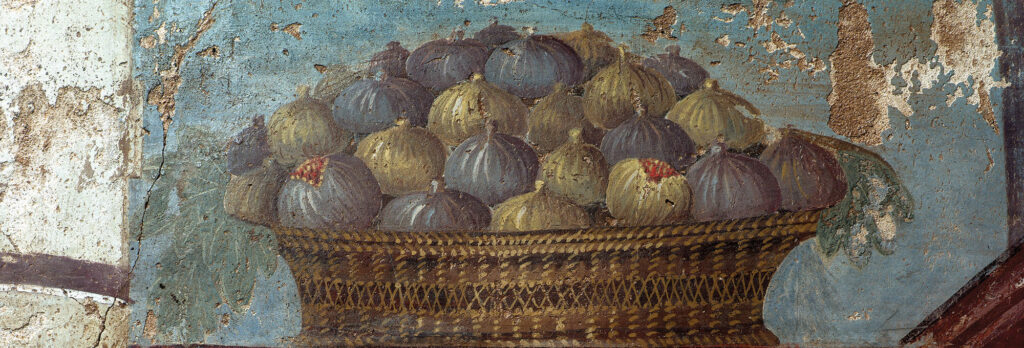


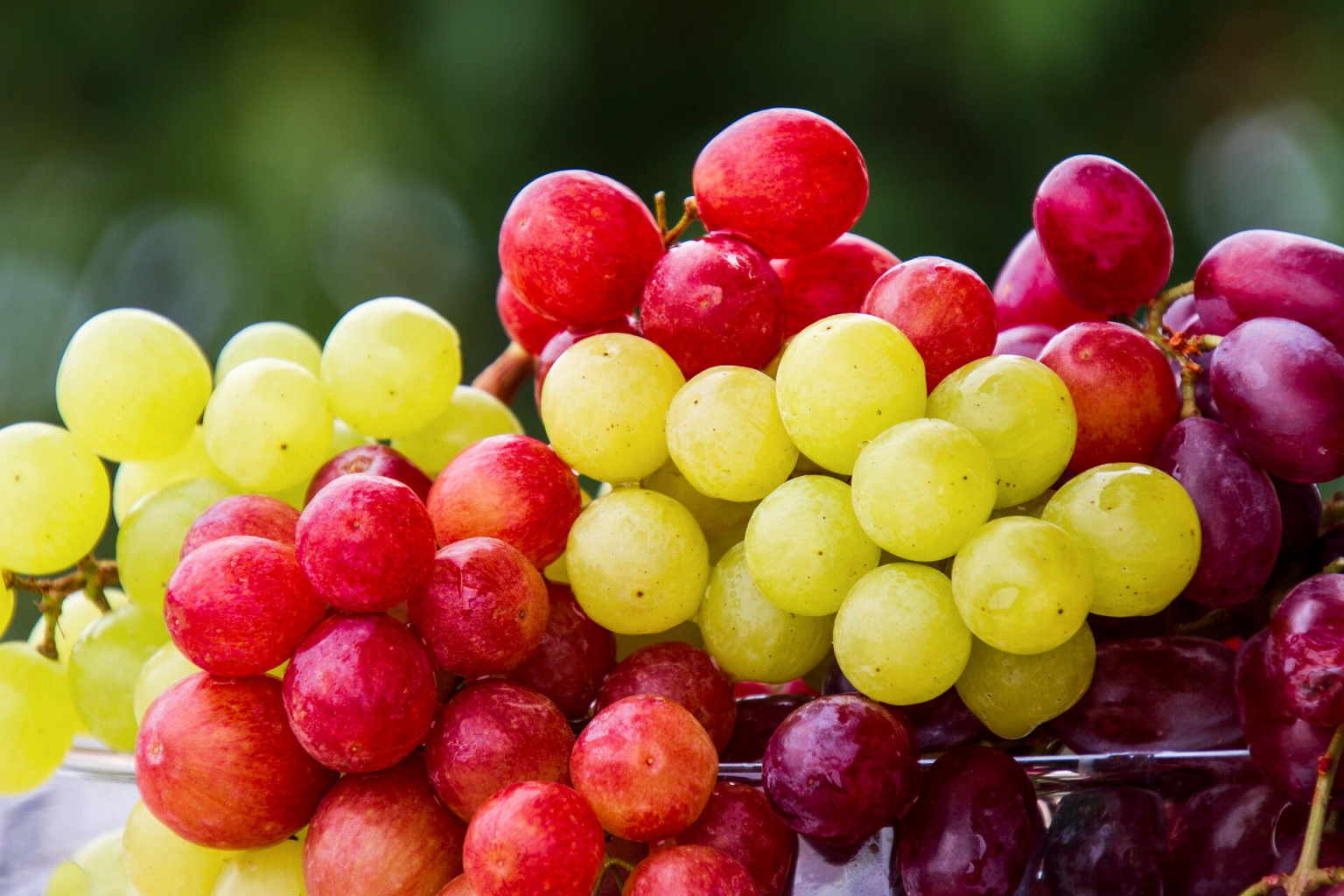

A Passion For Fruit Ancient Comfort Food Archaeology Magazine May MJ25 Fruit Roman Fresco Figs Featured 1024x348 . Pineapple Numbers 2026 Sculptures Tropical Fruit Art With Green Leaves Displays Numbers Created Using Pineapples Green Leaves Accentuate Design Creative Tropical Fruit Display Isolated 376176069 . Discovering Fruit Origins When Did Fruit First Appear Ancient Fruit Consumption . What Is The Oldest Fruit In The World Top 15 In History Image 5 1536x1024 . An Ancient Fruit Thrives In My Food Forest YouTube



Ancient Fruit Guide Where To Find Seed And Artifact Stardew Valley . A Most Ancient Fruit Stanthorpe Today BH4 227331 01 . What Is The Oldest Fruit In The World Top 15 In History Image 2 . What Is The Oldest Fruit In The World Top 15 In History Image 8 1024x819 . Discovering What Is The Oldest Fruit To Exist A Journey Through Time Fruit Vegetable Posters



The 7 Predictions Of Nostradamus For The Year 2026 The 7 Predictions Of Nostradamus For The Year 2026 . HK Herbarium News Hong Kong Fruit Calendar 2026 Is Now Available HK Fruit Calendar 2026 Cover . Natural Grocers 2026 Trends Natural Grocers 23359 2026 Natural Grocers Trends Webpage Search Thumbnail 676x326 FINAL . The Oldest Fruit In The World Has Widely Been Up For Debate Figs And Grapes 5000 B C E To 6000 B C E 1706649734 . Ancient Fruits Of British Columbia Native Wild Edibles Ecosystems DALLE2025 02 0621.29.58