The perception of gaming as an antisocial hobby often overshadows its evolving reality. In the United States, millions of players connect daily through online multiplayer experiences, forging genuine friendships and building vibrant communities across various platforms. This deep dive explores whether is gaming antisocial, challenging outdated notions by highlighting the extensive social benefits inherent in today's digital landscapes. We delve into how modern gaming fosters crucial skills like teamwork, effective communication, and the development of real-world bonds, offering valuable insights for parents, educators, and players alike who are questioning the true social impact of video games. Discover the truth behind the screens and understand why for many, gaming is a powerful tool for robust social interaction, personal development, and fostering a profound sense of belonging, truly shaping a new era of digital camaraderie in the USA and beyond.
Related games- How to Get Demon Hunter in Roblox? Your Guide to Adventure
- Master Your Kitchen: How to Equip Chop and Stay Grounded?
- How to See Your Roblox Game Passes Easily?
- Roblox Untitled Boxing Game Codes: Still Working in 2024?
- Free Steam Games How Do You Permanently Own Them?
Does playing video games make you antisocial?
No, playing video games does not inherently make someone antisocial. Many popular titles are designed for multiplayer interaction, encouraging teamwork and communication. Online gaming communities provide platforms for players to form genuine social bonds and friendships, demonstrating that gaming often fosters social connection rather than isolation.
What are the primary social benefits of gaming?
Gaming offers significant social benefits including fostering communication, improving collaboration skills, and building friendships globally. It provides shared experiences and a strong sense of belonging within diverse online communities. These positive interactions effectively counter the misconception that gaming is an antisocial activity for its participants.
Can video games genuinely improve real-world social skills?
Yes, video games can genuinely improve real-world social skills. Multiplayer games frequently demand strategic communication, negotiation, and cooperative problem-solving among teammates. These engaging interactions help players develop effective collaboration, empathy, and leadership qualities that are directly transferable to offline social situations and relationships.
Is online gaming beneficial for mental well-being?
For many, online gaming provides substantial mental well-being benefits, such as stress relief, a sense of accomplishment, and a vital social outlet. Connecting with friends and communities can alleviate feelings of loneliness and offer a supportive network. However, balancing game time is crucial for overall health and avoiding potential negative impacts.
Do gamers actually form meaningful friendships?
Absolutely, gamers often form deeply meaningful friendships. Bonds forged through shared gaming experiences, overcoming challenges, and celebrating victories can be as strong as any offline connection. Many online gaming friendships extend into real life, proving that virtual interactions can lead to profound and lasting personal relationships.
How do gaming communities contribute to a player's social life?
Gaming communities significantly enrich a player's social life by offering spaces for shared passion, mutual support, and collaborative play. They cultivate a strong sense of belonging and identity. These communities provide platforms for learning, competition, and forming enduring friendships, making gaming a highly social and engaging endeavor.
Is gaming antisocial, or is it a vibrant hub for social connection? This question has long puzzled parents and non-gamers alike. In 2026, the landscape of video gaming in the United States shows it is far from an isolating activity. Instead, it serves as a powerful platform for fostering deep social bonds and building expansive communities across various digital realms.
Modern gaming, often involving multiplayer experiences, actively promotes teamwork and communication. Players frequently collaborate to achieve shared objectives. This interaction helps develop crucial social skills in a dynamic and engaging environment.
The idea that is gaming antisocial stems from outdated perceptions of solitary play. Today's online worlds are bustling with activity. Millions of Americans engage in cooperative quests, competitive matches, and casual chats daily. These interactions cultivate friendships that can extend beyond the digital screen.
Gaming communities provide vital support networks. Many players find a sense of belonging within guilds, clans, or online forums. These groups offer shared interests, mutual assistance, and spaces for self-expression. They directly counter the notion that is gaming antisocial.
Beyond casual play, esports has transformed competitive gaming into a spectator sport. Teams practice and compete together, showcasing intense collaboration. This highly social aspect of professional gaming highlights how deep connections are formed. It's clear that is gaming antisocial is a misconception.
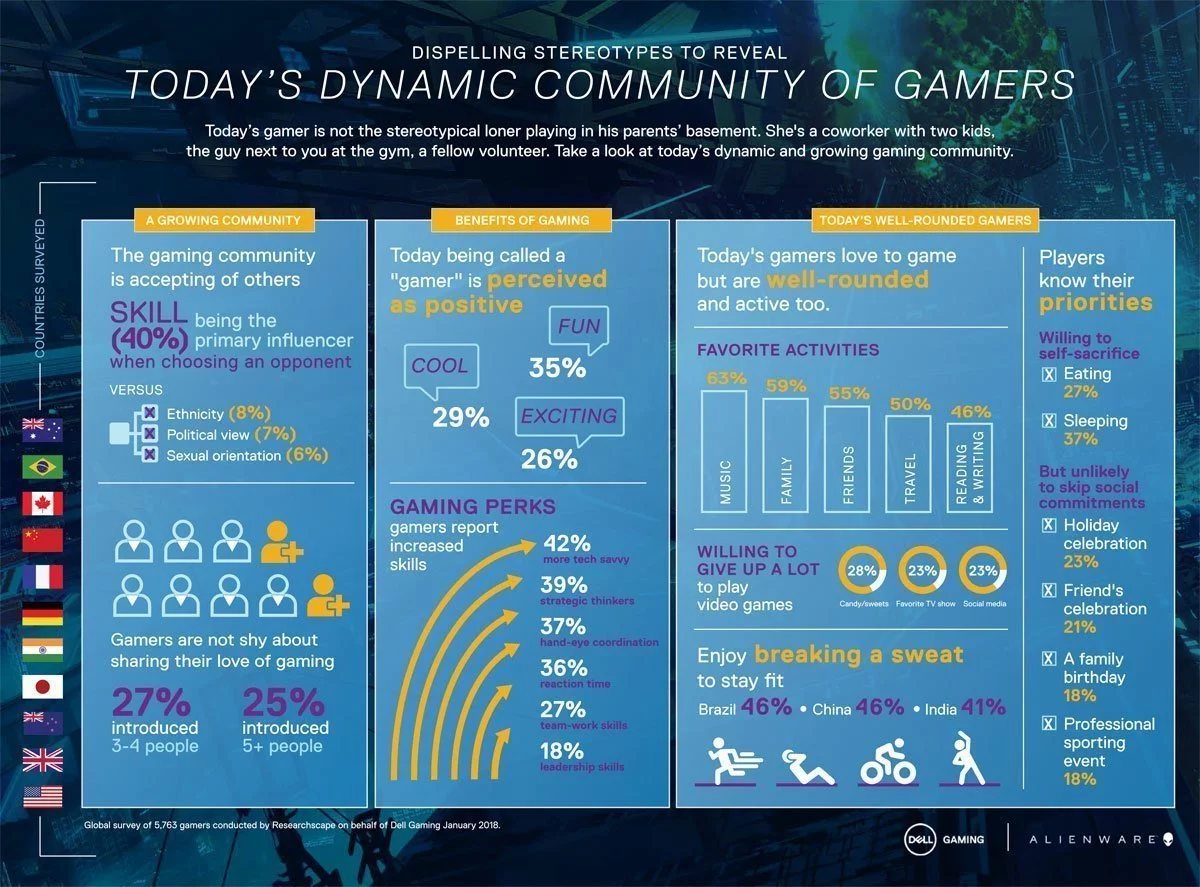
In fact, studies often reveal that gamers report having stronger social support systems. This support comes from their online friends and communities. The shared passion for gaming often forms the foundation for lasting relationships. It is a powerful rebuttal to the idea that is gaming antisocial.
| Aspect of Gaming | Traditional View | Modern Reality (2026 USA) |
|---|---|---|
| Social Interaction | Limited, isolated | Extensive online interaction, teamwork, communication |
| Community Building | None | Vibrant online communities, guilds, clans, forums |
| Skill Development | Hand-eye coordination only | Problem-solving, strategy, leadership, communication, social skills |
| Mental Well-being | Potential for addiction, escapism | Stress relief, social support, sense of achievement, belonging |
| Relationship Building | Few real-world friends | Strong online friendships, often transitioning offline |
What Others Are Asking About Is Gaming Antisocial?
Does playing video games make you antisocial?
Playing video games does not inherently make someone antisocial. Many modern games are designed for multiplayer interaction, fostering communication and teamwork. Online communities allow players to form strong social bonds, often leading to real-world friendships and support networks, directly challenging the idea that is gaming antisocial.
What are the social benefits of gaming?
Gaming offers numerous social benefits, including enhanced communication skills through team-based play, improved cooperation, and the opportunity to build friendships globally. It creates shared experiences and a sense of belonging within online communities. These positive interactions show that is gaming antisocial is inaccurate.
Can video games improve social skills?
Absolutely, video games can significantly improve social skills. Multiplayer games often require strategic communication, negotiation, and conflict resolution among teammates. These interactive experiences help players learn to collaborate effectively and understand diverse perspectives, making the claim that is gaming antisocial less credible.
Is online gaming good for mental health?
For many, online gaming offers significant mental health benefits like stress relief, a sense of achievement, and a vital social outlet. Connecting with friends and community can combat loneliness and provide a support system. However, moderation is key to avoid negative impacts. It helps alleviate the feeling that is gaming antisocial.
Do gamers have real friends?
Yes, gamers absolutely have real friends. Friendships formed through gaming can be as strong and meaningful as those developed offline. Shared experiences, challenges, and triumphs create deep bonds. Many online friendships evolve into real-life connections, proving that is gaming antisocial is a myth.
How do gaming communities impact players?
Gaming communities profoundly impact players by offering spaces for shared passion, mutual support, and collaboration. These communities foster a sense of belonging and identity. They provide platforms for learning, competition, and lasting friendships, reinforcing that gaming is a social activity, not one where is gaming antisocial holds true.
FAQ About Is Gaming Antisocial
What is the core argument regarding is gaming antisocial?
The core argument challenges the traditional view that gaming leads to social isolation. Instead, it highlights how modern gaming, particularly online multiplayer experiences, actively promotes social interaction, teamwork, and community building among players.
Who benefits most from the social aspects of gaming?
Individuals seeking community, shared interests, and opportunities for collaboration benefit most. This includes those who might struggle with traditional social settings, finding a comfortable and engaging environment online. It offers an alternative where is gaming antisocial simply isn't the case.
Why is the perception of gaming as antisocial still common?
This perception often stems from historical views of gaming as a solitary pastime and a lack of understanding about the evolving nature of online multiplayer environments. Media portrayals can also contribute to this outdated stereotype that is gaming antisocial.
How can I make my gaming experience more social?
To make gaming more social, join multiplayer games, engage with in-game chat or voice communication, seek out gaming communities or guilds, and participate in online forums or social media groups dedicated to your favorite games. This actively combats the notion that is gaming antisocial.
In summary, the notion that is gaming antisocial is largely outdated and misinformed. Gaming in 2026, especially in the United States, is a deeply social activity. It encourages communication, teamwork, and fosters robust online and often offline friendships. Gamers build extensive communities, finding support and belonging. The vast majority of gaming experiences promote connection rather than isolation. By understanding these modern dynamics, we can appreciate gaming's true social value.
Gaming frequently fosters strong social connections and robust online communities. It challenges the traditional view of gaming as isolating. Many modern games prioritize teamwork and communication, enhancing social skills. Gaming can provide a crucial sense of belonging and support networks for individuals.
35
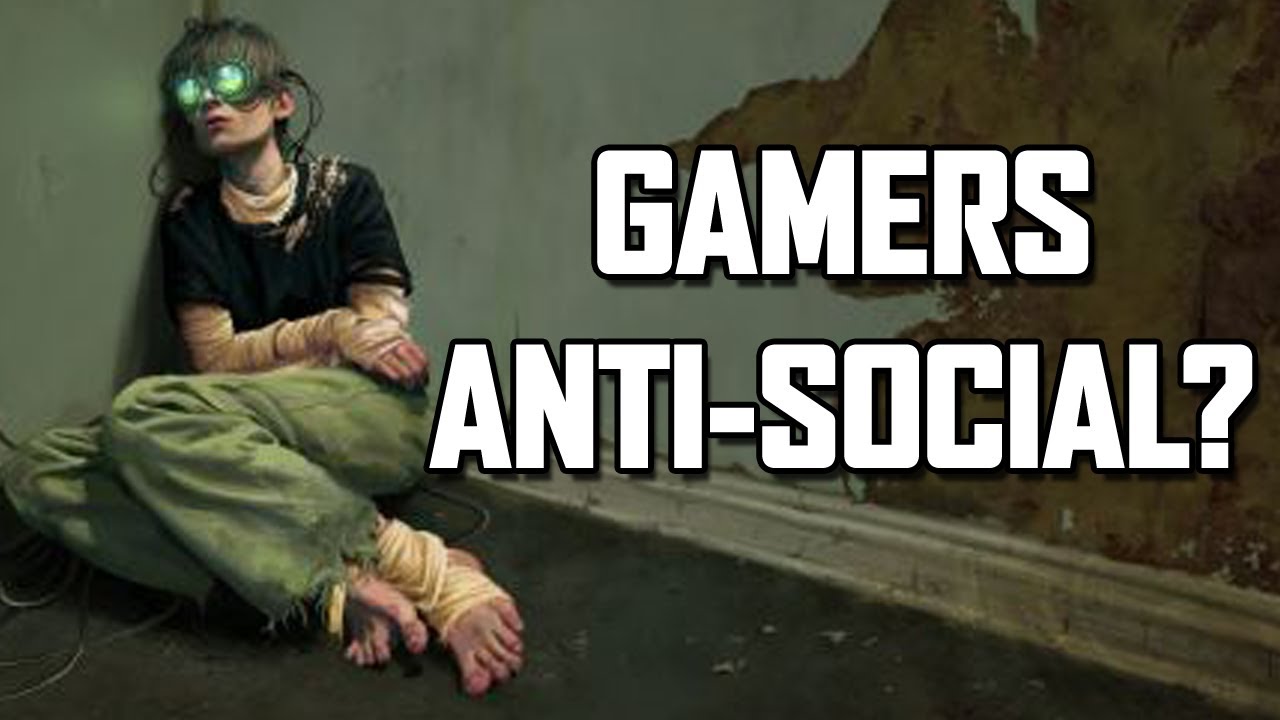

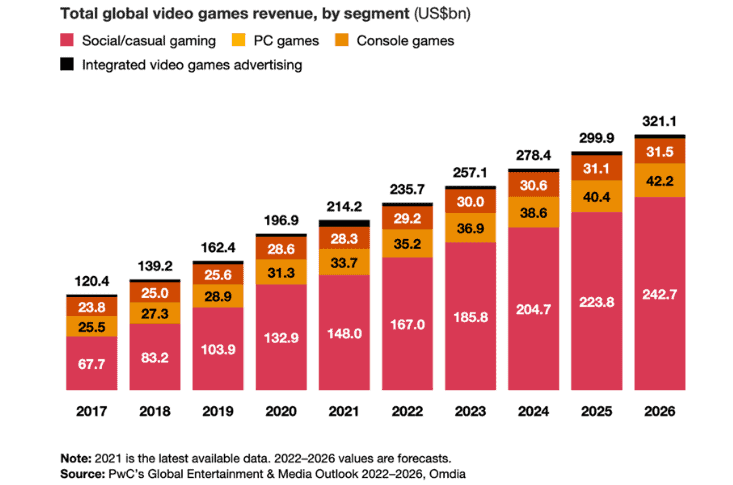
Top 10 Most Anticipated Games Of 2026 What To Watch Out For GAMES IN 2026 . Are Gamers Anti Social YouTube . Is Gaming Antisocial Radical Dose Gamer . Video Game Marketing Guide To Reach Streamers 2025 Image 3 . 2026 XpLa 2026 Video Game Release Dates Post Feature Image

Why Has Online Gaming Become So Antisocial GamesRadar . Do Video Games Encourage Antisocial Behavior Goomba Stomp Magazine Antisocia Gamer 813x517 . Heineken S Gaming Campaign Breaks Anti Social Stereotypes . New Study Shows Gaming More Social Than Ever Before Stevivor Dell State Of Gaming.webp. Gaming Antisocial Gamer Poster Picture Metal Print Paint By



Show Your Antisocial Friend Our Gaming Center ROK Esports YouTube Oardefault . NEW UPCOMING GAMES 2026 Trailer Best New Game Trailers YouTube . TOP 21 NEW Upcoming Games Of 2026 YouTube . Call For Speakers Is Now Officially Open For Regulating The Game 2026 2026 . Antisocial Gamer Video Gaming Joypad For A Player And Sarcastic Unisex Antisocial Gamer Video Gaming Joypad For A Player And Sarcastic Unisex T Shirt Up To Size 5XL 785a6579 Dc56 4bca A41d


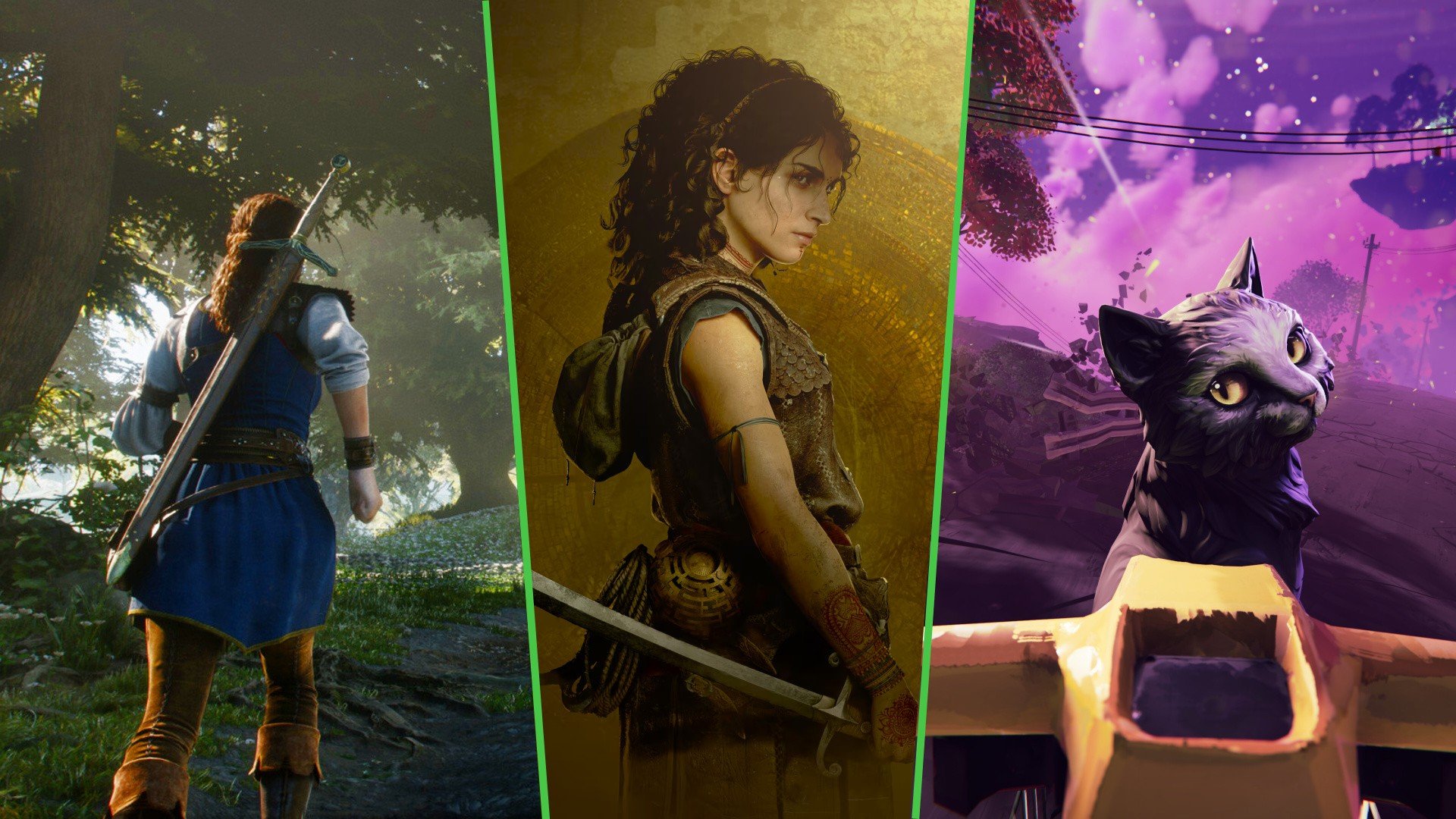
My Current Steam Wishlist 2025 2026 New Games YouTube . MEGA 2026 Mexico Gaming Crypto News Web3 Gaming Mainstream Adoption Will Happen Gradually Then Suddenly Option04. Call Of Duty League 2026 Is Going To Europe UK And USA With All New Call Of Duty League 2026 . Guide Xbox Game Pass In 2026 The Full List Of Everything Announced So Far Large . Xbox Game Pass Already Has Four Extremely Powerful Games Confirmed For Xbox Game Pass 2026 1
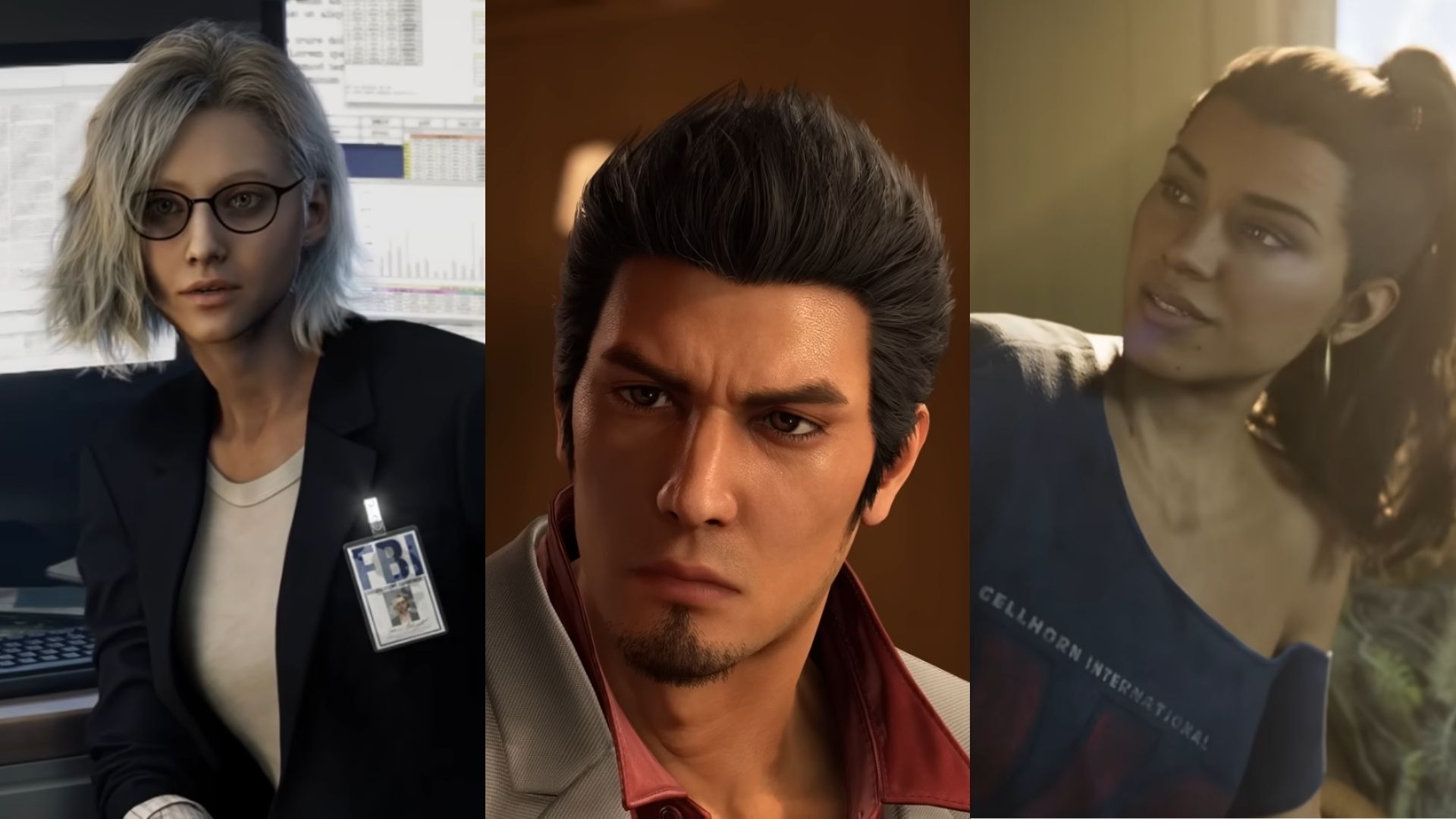


5 Most Anticipated Video Games For 2026 Deltia S Gaming 5 Most Anticipated Video Games For 2026 . Xbox Game Pass Will Break Records In 2026 With 75 Day One Launch Games Xbox Game Pass Rompera Records En 2026 Con 75 Juegos De Lanzamiento Dia Uno 1 . Iam Not Antisocial Pro Gaming Tshirt Design Eps10 PNG Images EPS Free Iam Not Antisocial Pro Gaming Tshirt Design Eps10 10562310 !bw700. What Parents Should Know About Social Gaming Featured News Story Kids Social Gaming 1230x690 . The 7 Best Gaming Conventions In The US In 2026 7 Best Gaming Conventions In The Us.webp




Xbox Leadership Gets A Shake Up In 2026 Current CFO Tim Stuart . EVO 2026 Dates Announced Rectify Gaming Evo 2026 . The 2026 Logo Follows A Similar Overall Structure To The 2025 Logo A 2025 Asg Vs 2026 Asg Logo Mlb Baseball . Antisocial Bar 2026 All You Need To Know BEFORE You Go With Reviews Caption . ANTISOCIAL BAR Advice 2026 All You MUST Know Before You Go W Reviews Caption


The Tremendous Yet Troubled State Of Gaming In 2024 MatthewBall Co BallMatthew Jan2024 Gaming Page 04 . Atlaslive Shortlisted For Company Of The Year At Global 1763647908 Atlaslive Nominado Global Gaming Awards Emea 2026 . Chart Should Video Games Be Political Statista 31567 . Iam Not Antisocial Pro Gaming Tshirt PNG Images EPS Free Download Iam Not Antisocial Pro Gaming Tshirt 10562308 !bw700. U S User Generated Gaming Content Awareness By Age 2024 Statista 1376633 Blank 355