Q: Where can I find the Gulf of Oman on a world map?
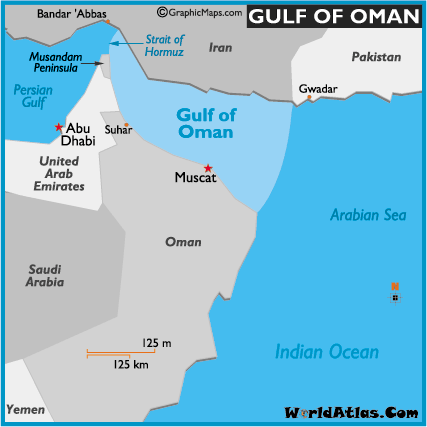
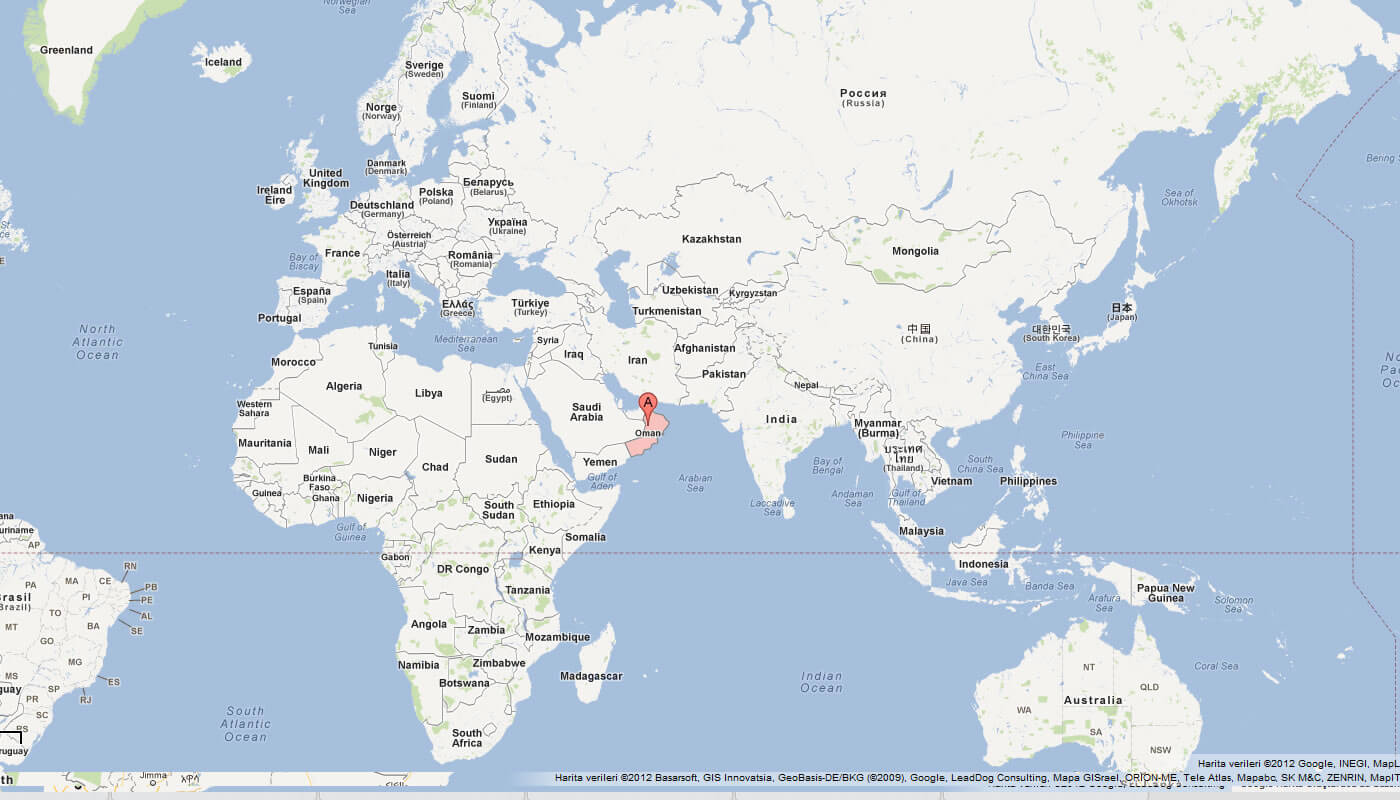
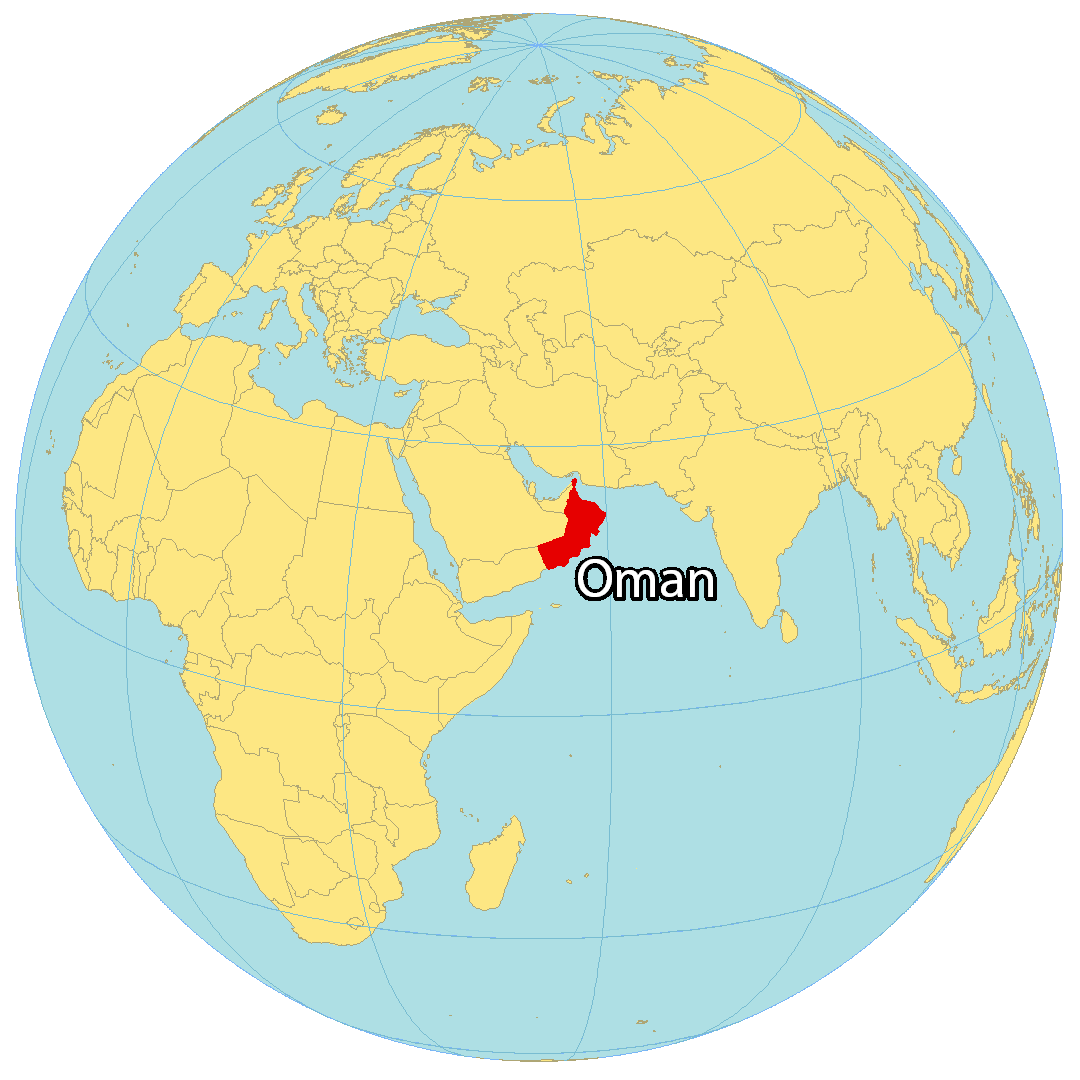
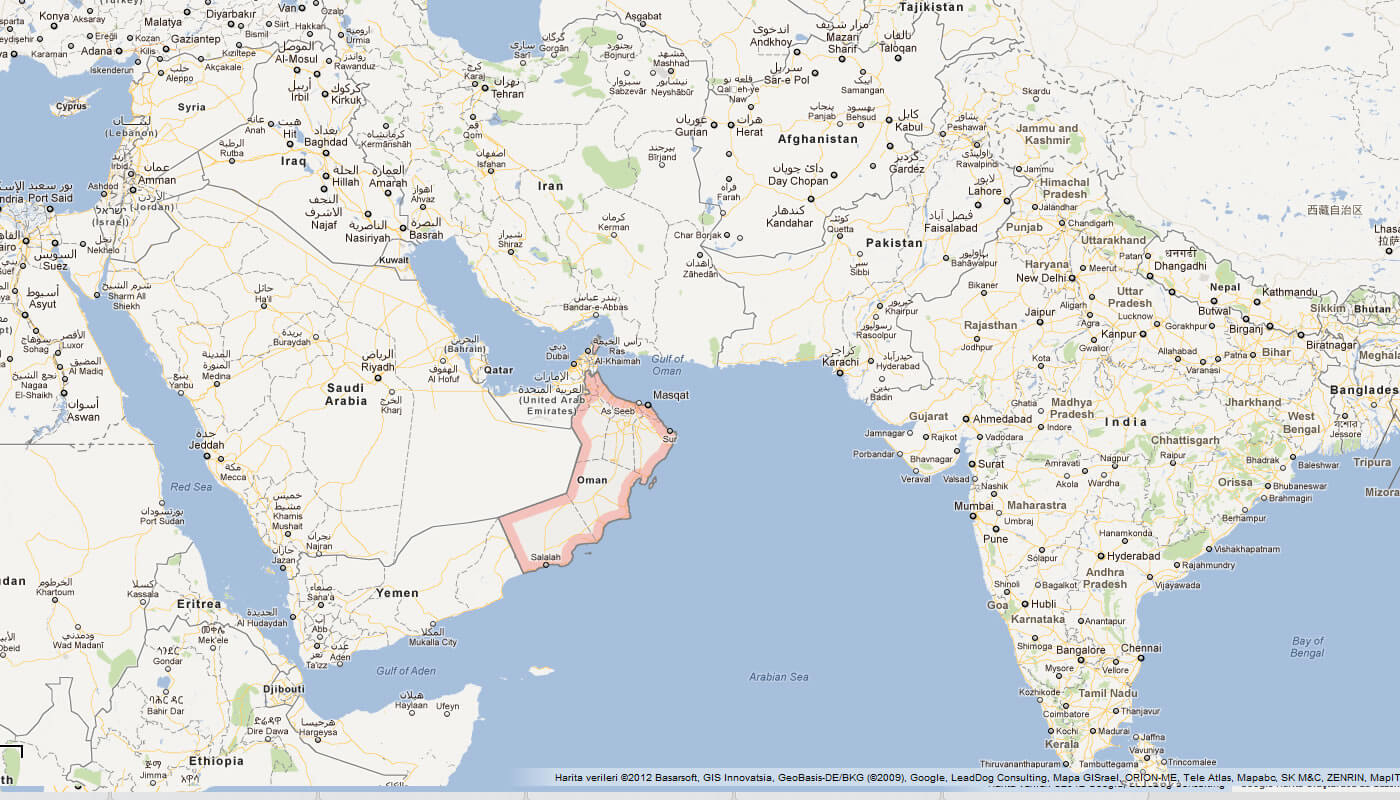
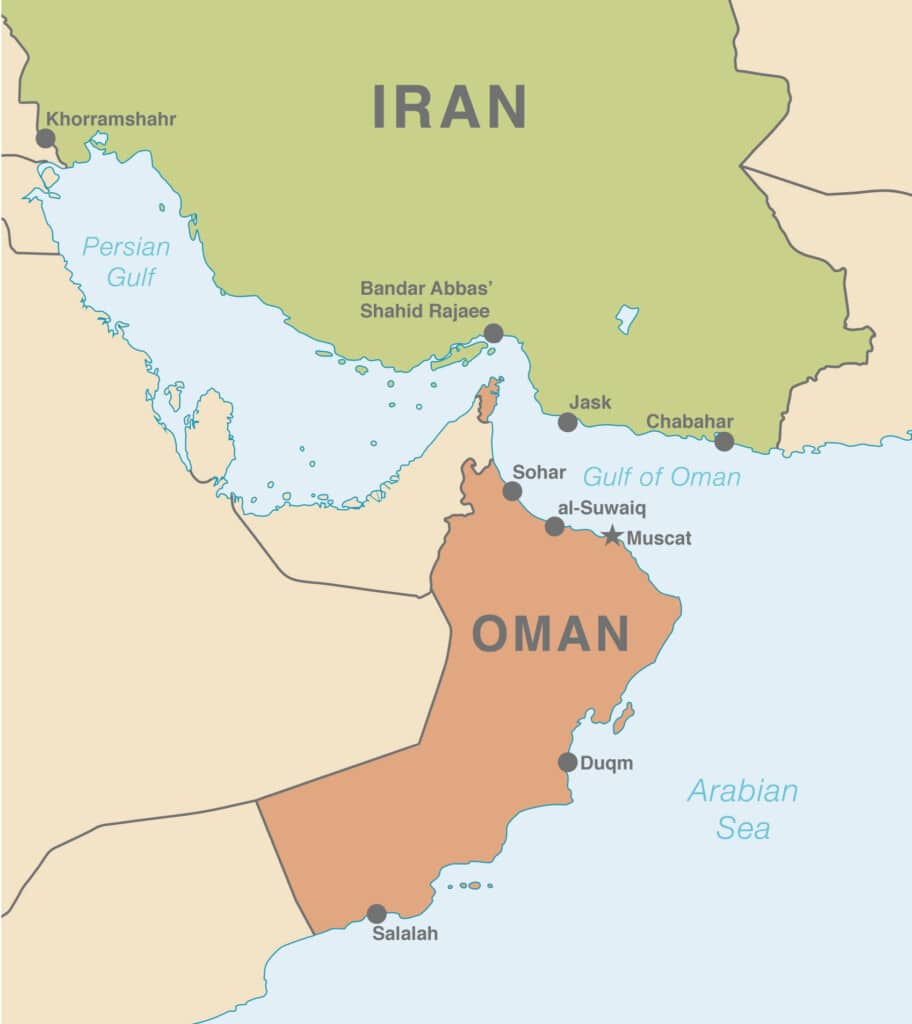
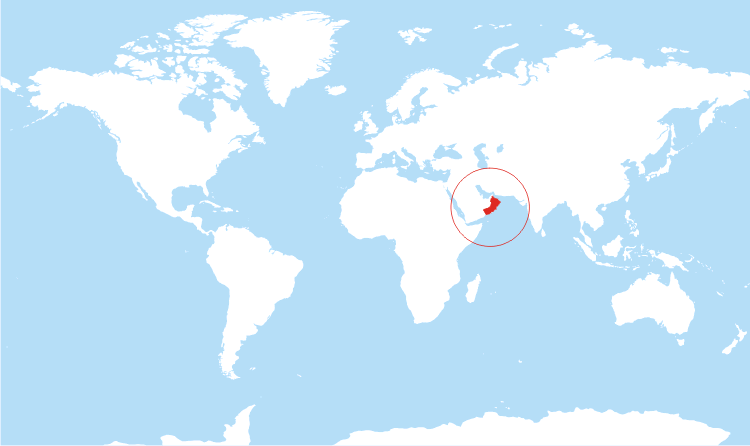
A: On a world map, the Gulf of Oman is prominently located in the Middle East. It forms the northwestern extension of the Arabian Sea. You will find it situated between Oman to the south, Iran and Pakistan to the north, and the United Arab Emirates to the west. It is a critical waterway for global navigation.
Q: What makes the Gulf of Oman strategically important?
A: The Gulf of Oman is strategically important because it is the sole maritime access point to the Persian Gulf from the open ocean. This makes it indispensable for global energy transport, particularly for oil tankers. Its choke point status ensures its relevance in international affairs and maritime security discussions.
Q: Which major maritime route includes the Gulf of Oman?
A: The Gulf of Oman is an integral part of one of the world's most critical maritime routes. This route connects the major oil-producing nations in the Persian Gulf, through the Strait of Hormuz, with international shipping lanes in the Arabian Sea. It is a lifeline for global energy supply chains.
Q: Are there any US interests in the Gulf of Oman region?
A: Absolutely, the United States has significant interests in the Gulf of Oman region. These include ensuring the free flow of oil, maintaining regional stability, and counter-terrorism efforts. The US Navy frequently operates in these waters to safeguard international maritime commerce and protect its allies. This area is vital for global security.
Q: How does the Gulf of Oman affect global oil prices?
A: The Gulf of Oman directly affects global oil prices due to its role as a primary transit route for crude oil. Any security incidents, blockades, or geopolitical tensions in this waterway can disrupt oil supplies. Such disruptions typically lead to increases in global oil prices and market volatility. This makes it a crucial economic factor.
Q: What is the geographical relationship between the Gulf of Oman and the Arabian Sea?
A: The Gulf of Oman is essentially the northwestern arm or extension of the larger Arabian Sea. It acts as the transitional zone from the vastness of the Arabian Sea into the narrower and more enclosed Strait of Hormuz, which then leads to the Persian Gulf. It serves as a vital entrance to the Middle East's strategic waters.
Gulf of Oman location, Strait of Hormuz map, Arabian Sea, Persian Gulf access, Middle East map, maritime routes, energy security, international shipping, Oman geography, global trade routesThe Gulf of Oman holds immense significance when you view the world map. This vital waterway connects the Arabian Sea with the Strait of Hormuz, acting as a crucial gateway. Its strategic location makes it central to global energy security, especially for the United States. Understanding the Gulf of Oman on a world map helps grasp international trade routes. It highlights potential geopolitical hotspots and maritime activity in the region. Many trending discussions in the USA often involve the Middle East. The Gulf of Oman frequently features in these essential conversations. This area supports a vast amount of oil and gas tanker traffic. It impacts global economies directly. Knowing its precise location enhances one's understanding of current events. It provides context for international relations and shipping logistics.
The Gulf of Oman is a critical body of water located in the Middle East. It serves as a vital maritime link, connecting the Arabian Sea to the Strait of Hormuz. This strategic waterway is crucial for global energy transport and international trade. Understanding the Gulf of Oman on the world map reveals its profound geopolitical importance and its role in regional stability.
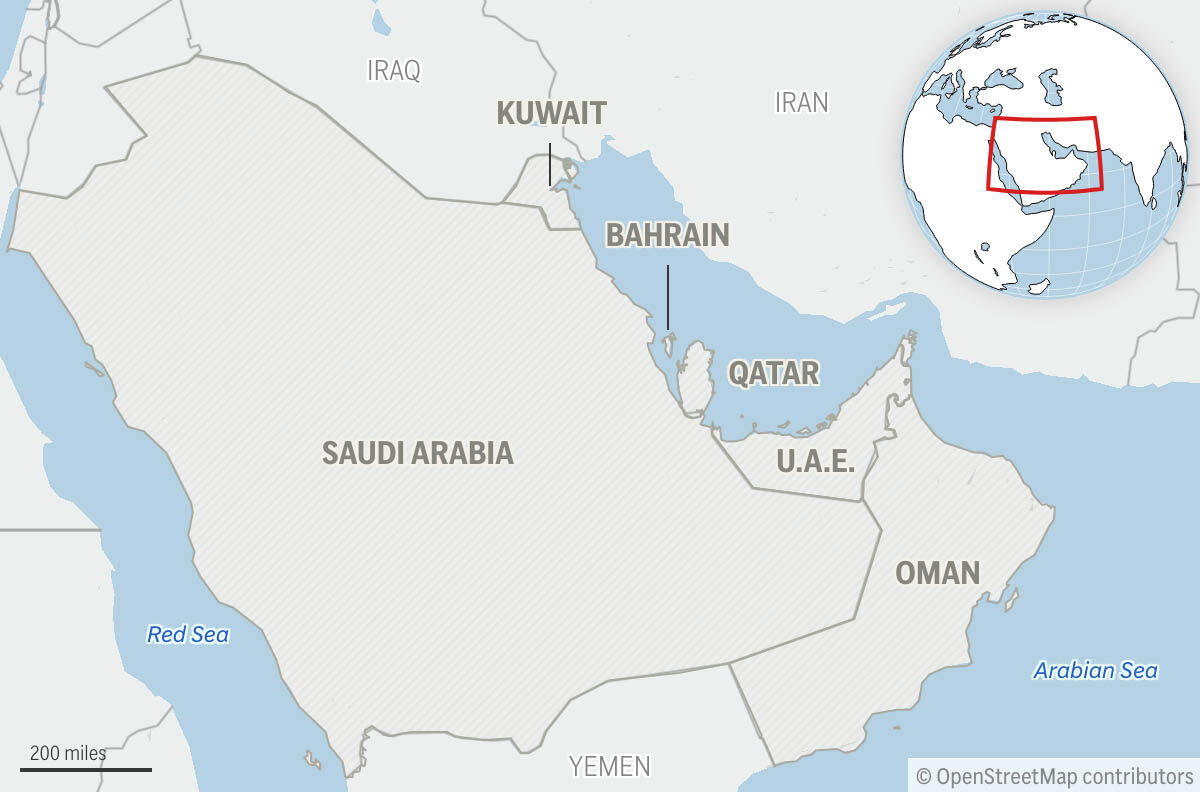
For those exploring the Gulf of Oman on a world map, its position is unmistakably significant. It borders Iran and Pakistan to the north, Oman to the south, and the United Arab Emirates to the west. This geographical placement makes it a nexus for various countries and their interests. Naval forces from different nations frequently operate here, working to ensure safe passage for commercial vessels.
The importance of the Gulf of Oman extends beyond mere geography. It is an indispensable conduit for much of the world's crude oil exports. Tankers transport oil from major producers in the Persian Gulf through the Strait of Hormuz and then across the Gulf of Oman. This makes it a focal point for global energy markets. Any disruption here can have immediate economic consequences.
Navigating the complex dynamics surrounding the Gulf of Oman on a world map offers insights into international relations. The region's security is a constant concern for many global powers. They seek to protect their economic interests and ensure free navigation. The balance of power among littoral states significantly influences maritime activities. Keeping informed about this waterway is essential for understanding global affairs.
Here's a quick overview of the Gulf of Oman's key features and strategic importance:
---------------------------------------------------------------------------------- Feature Details about Gulf of Oman on World Map---------------------------------------------------------------------------------- Location Northwest arm of the Arabian Sea Connection Links Arabian Sea to Strait of Hormuz and Persian Gulf Bordering Countries Oman, Iran, Pakistan, United Arab Emirates Primary Significance Global energy transport, especially crude oil Depth Averages around 3,300 feet (1,000 meters) Length Approximately 200 miles (320 km) Width Approximately 200 miles (320 km) Maritime Traffic High volume of oil tankers and commercial ships----------------------------------------------------------------------------------
What Others Are Asking about Gulf of Oman on World Map?
Where is the Gulf of Oman located on the world map?
The Gulf of Oman is located in the Middle East, specifically as the northwest arm of the Arabian Sea. It serves as a crucial link between the Arabian Sea and the Strait of Hormuz. This strait then leads into the Persian Gulf, making it a pivotal waterway for global maritime traffic and energy transport. Its position borders Oman, Iran, Pakistan, and the UAE.
What is the importance of the Gulf of Oman?
The Gulf of Oman is incredibly important due to its strategic position as a gateway for global oil trade. It facilitates the passage of a significant portion of the world's crude oil from the Persian Gulf to international markets. This makes it central to energy security and global economic stability. It is a critical shipping lane.
Which countries border the Gulf of Oman?
The Gulf of Oman is bordered by several key nations in the Middle East and South Asia. To its south, it borders Oman. To the north, it borders Iran and Pakistan. The United Arab Emirates lies to its west, connecting directly via the Strait of Hormuz. These countries have significant interests in the Gulf's security.
Is the Gulf of Oman part of the Persian Gulf?
No, the Gulf of Oman is not considered part of the Persian Gulf itself. Instead, it acts as the vital entry and exit point to the Persian Gulf. They are connected by the Strait of Hormuz. The Gulf of Oman is geographically part of the Arabian Sea, functioning as its extension before the narrower strait. They are distinct bodies of water.
What is the Strait of Hormuz's relationship with the Gulf of Oman?
The Strait of Hormuz is the narrow passage connecting the Gulf of Oman to the Persian Gulf. It is one of the world's most critical choke points for oil shipping. All maritime traffic entering or exiting the Persian Gulf must pass through this strait, then navigate the Gulf of Oman. Their relationship is integral to global energy transit.
FAQ about Gulf of Oman on World Map
What is the Gulf of Oman?
The Gulf of Oman is a body of water forming the northwest part of the Arabian Sea. It acts as a natural passage connecting the Arabian Sea to the Strait of Hormuz and, consequently, the Persian Gulf. It is a major global shipping route.
Where is the Gulf of Oman located?
Geographically, the Gulf of Oman is situated in the Middle East. It lies between the Arabian Peninsula to the south and Iran and Pakistan to the north. Its strategic placement on the world map highlights its importance for maritime affairs.
Why is the Gulf of Oman important?
Its importance stems from being a crucial pathway for oil tankers carrying crude oil from the Persian Gulf to international markets. It is vital for global energy security and international trade, making it a significant geopolitical area.
How does the Gulf of Oman impact global trade?
The Gulf of Oman impacts global trade by providing a primary maritime route for energy exports. Any disruptions here can significantly affect oil prices and supply chains worldwide. It ensures the flow of goods to various nations.
Who controls the waters of the Gulf of Oman?
The waters of the Gulf of Oman are international. However, littoral states like Oman, Iran, Pakistan, and the UAE exercise sovereign rights over their territorial waters. International maritime law governs navigation, with various navies present for security.
Strategic waterway connecting Arabian Sea and Strait of Hormuz. Vital for global oil and gas transport. Critical for regional stability and international trade. Key maritime route for the Middle East. Geographic importance on world maps.




Oman Maps Map Oman Location1 . Gulf Of Oman Map Location Facts Britannica Locator Map Gulf Of Oman . Oman Map Oman Gulf Map Oman . Oman World Map Map Of Oman World Data Locator Map Oman . Oman Map Geography Of Oman Map Of Oman Worldatlas Com



GULF OF OMAN UPSC Current Affairs IAS GYAN GULF OF OMAN . Oman Map Oman Map Of Oman World . Close Up To A Gulf Of Oman Sea Region In Middle East Political Map With Close Up To A Gulf Of Oman Sea Region In Middle East Political Map With Country Frontiers And Most Importants Cities 2XJG094 . 31 Gulf Of Oman Map Stock Photos High Res Pictures And Images Getty Map Of Oman . Gulf Of Oman Now World S Largest Oxygen Depleted Dead Zone CBC News Gulf Of Oman



Oil Gas Advisors Basin Gulf Of Oman Gulf Of Oman P 2000 . Oman Map Discover Oman With Detailed Maps Map Of Oman . Oman In The Map At Jamie Lamont Blog Oman World Map . Oman Map Oman Map Of Oman Middle East . Oman Maps Map Oman General 1


Oman Oman Map 1oct2019 . 2 700 Gulf Of Oman Stock Photos Pictures Royalty Free Images IStock Persian Gulf Region Strait Of Hormuz And Gulf Of Oman Political Map . Oman Maps Map Oman General . Arabian Sea Map Image 139 1280x720 . Oman In The Map At Jamie Lamont Blog Oman Political Map With Capital Muscat National Borders And Important F5BTN4




Oman Maps Map Oman 1993 . Oman Physical Map Oman Map Physical . Oman In The Middle Report PortMap V02 912x1024 . Omans Place Unveiling A Jewel On The World Map Stock Photo Oman On A World Map 1961910922 . Oman Map Oman Map


Oman Plans To Impose Personal Income Tax A First Among Gulf States . Gulf Cooperation Council GCC Members Map Regional Gulf Cooperation Council Gcc Members Map Regional Political Economic Union Bahrain Kuwait Oman Qatar Saudi Arabia And Uae 2JHFKNH . Physical Map Of Oman Ezilon Maps Oman Physical Map . Oman Tourist Map Oman Location Map . Oil Tankers Collide In Gulf Of Oman Amid Reports Of Electronic Image



Large Detailed Political Map Of Oman With Relief Roads And Major Large Detailed Political Map Of Oman With Relief Roads And Major Cities 1996 . Oman World Map Map Of Oman Location . Strait Of Hormuz Multi Colored Political Map Waterway Between Persian Strait Of Hormuz Multi Colored Political Map Waterway Between Persian Gulf And Gulf Of Oman Important Choke Point 3AB95XF . Shatt Al Arab Hi Res Stock Photography And Images Alamy Persian Gulf Region Countries Political Map Iran Iraq Kuwait Qatar JD0881 . Political Map Of Oman Nations Online Project Oman Map