What is the historical homeland of the Assyrians?
The historical homeland of the Assyrians is ancient Mesopotamia, specifically the region along the Tigris River in what is now northern Iraq. This area includes iconic ancient cities such as Nineveh and Assur, forming the heart of the Assyrian Empire for millennia.
Where do most Assyrians reside globally today?
Today, significant Assyrian populations reside in diaspora communities across the globe, including large numbers in the United States, Sweden, and Germany. While some remain in their ancestral lands in Iraq, Syria, Turkey, and Iran, many have sought refuge abroad.
Are Assyrians still connected to their ancient language?
Yes, Assyrians maintain a strong connection to their ancient linguistic heritage, speaking various dialects of Neo-Aramaic. This language has evolved from Imperial Aramaic, which was once the lingua franca of the ancient Near East, symbolizing their enduring cultural identity.
What is the primary religion of the Assyrian people?
The primary religion of the Assyrian people is Christianity, predominantly belonging to various Eastern Christian denominations such as the Assyrian Church of the East, the Ancient Church of the East, the Chaldean Catholic Church, and the Syriac Orthodox Church. Faith plays a central role in their identity.
What current challenges face Assyrian communities in their ancestral lands?
Assyrian communities in their ancestral lands currently face severe challenges, including ongoing conflict, insecurity, sectarian violence, and discrimination. These threats often lead to displacement and a dwindling population, jeopardizing their cultural and historical presence in the region.
How do Assyrians preserve their culture in the diaspora?
In the diaspora, Assyrians preserve their rich culture through language schools, church services in Aramaic, cultural festivals, and community organizations. These efforts ensure that their unique traditions, history, and linguistic heritage are passed down to younger generations, fostering a strong sense of identity.
Assyrians map, ancient Assyria, modern Assyrian homeland, Assyrian diaspora map, Assyrian people location, Mesopotamia map, Nineveh map, Assyrian history geography, Where are Assyrians now, Global Assyrians mapDiscover the fascinating journey of the Assyrians map, tracing their ancient roots in Mesopotamia to their vibrant presence across the modern world. This comprehensive guide explores the historical territories that shaped the Assyrian identity and illuminates the contemporary communities found globally. Understanding the Assyrians map helps us appreciate their enduring cultural legacy and the challenges they face. From their ancestral homelands to the significant diasporas in the United States, Europe, and Australia, this article provides essential insights into the Assyrian people. Explore the critical areas on the Assyrians map and gain navigational and informational knowledge about this resilient group, ensuring you grasp their rich history and current global footprint. This trending topic offers a crucial perspective on cultural preservation and identity.
The Assyrians Map Tracing Their Ancient Roots and Modern PresenceThe Assyrians map reveals the compelling journey of one of the world's oldest continuous civilizations, originating in ancient Mesopotamia, encompassing parts of present-day Iraq, Syria, Turkey, and Iran. Today, Assyrians are a distinct ethno-religious group, predominantly Christian, who maintain a vibrant cultural identity despite centuries of geopolitical shifts and displacement. This article will help you understand the Assyrians map from their historical origins to their significant global diaspora, providing valuable insights into their enduring heritage and contemporary presence. We will explore the key areas that define the Assyrians map, offering a clear picture of their past and present.
Understanding the Historical Assyrians Map
Delving into the ancient Assyrians map uncovers a powerful empire that once dominated the Near East. The heartland of Assyria was situated along the Tigris River in northern Mesopotamia, with prominent cities like Assur, Nineveh, and Nimrud marking its expanse. The Neo-Assyrian Empire, at its peak, stretched from Egypt to Iran, profoundly influencing the ancient world. This historical Assyrians map illustrates a period of significant architectural, military, and administrative achievements, forming a critical part of human history and development. The legacy of this ancient Assyrians map continues to inspire scholars and historians today.
Where Do Assyrians Live Today on the Map?
Today, the indigenous Assyrians map primarily shows communities concentrated in their ancestral homelands across northern Iraq, northeastern Syria, southeastern Turkey, and northwestern Iran. However, ongoing conflicts, persecution, and genocide have dramatically reduced their numbers in these regions over the past century. Many Assyrians have been forced to leave their homes, creating a significant global diaspora. Understanding the contemporary Assyrians map involves acknowledging both their enduring presence in their ancient lands and the vast distribution across continents.
The Global Assyrian Diaspora Map
The global Assyrian diaspora map highlights large and active communities established around the world, primarily seeking safety and new opportunities. Major centers of Assyrian population include Sweden, Germany, Australia, Canada, and particularly the United States, with significant communities in states like California, Illinois, and Michigan. These diaspora communities actively preserve their unique Aramaic language, Eastern Christian traditions, and rich cultural heritage. The Assyrians map of the diaspora demonstrates their resilience and commitment to maintaining their identity far from their original homeland.
Assyrians Map Cultural and Linguistic Heritage
Central to the Assyrians map of identity is their unique cultural and linguistic heritage. Assyrians speak various dialects of Neo-Aramaic, a language with roots stretching back millennia, and they primarily adhere to different Eastern Christian denominations. This strong cultural and religious foundation has been instrumental in preserving their identity through countless historical challenges. Their rich traditions, including ancient festivals, music, and art, continue to thrive both in their ancestral lands and across the global Assyrians map of their diaspora communities.
Assyrians Map Key Information Table
Here is a summary table presenting key geographical information regarding the Assyrians map. Ancient historical sites are paired with their modern locations, and significant diaspora regions are also noted for easy reference.
Assyrian Related Regions | Modern Locations. Ancient Homeland (Historical Assyria) | Northern Iraq, Southeastern Turkey, Northeastern Syria, Northwestern Iran. Major Ancient Cities | Nineveh (Iraq), Assur (Iraq), Nimrud (Iraq). Historical Mountainous Region | Hakkari (Turkey), Urmia (Iran). Significant Diaspora Communities | United States, Sweden, Germany, Australia, Canada, United Kingdom. Current Primary Presence in Homeland | Nineveh Plains (Iraq), Khabour Region (Syria).
What Others Are Asking?
What is the geographical origin of the Assyrians map?
The Assyrians originate from ancient Mesopotamia, specifically the region of Assur along the Tigris River in what is now northern Iraq. Their historical lands also extend into parts of modern-day Syria, Turkey, and Iran, forming the core of the ancient Assyrians map and their civilization's birth.
Where do most Assyrians live now on the map?
While a significant number still reside in their ancestral homelands of Iraq, Syria, Turkey, and Iran, larger concentrations of Assyrians are now found in diaspora communities. Countries with substantial Assyrian populations include the United States, Sweden, Germany, and Australia, greatly expanding the modern Assyrians map.
Is Assyria still a country on the map?
No, Assyria is not currently an independent country on the world map. The ancient Assyrian Empire ceased to exist as a sovereign state by 612 BC. Today, Assyrians are an indigenous ethnic group striving for self-determination and recognition within their ancestral lands, reflecting a complex Assyrians map.
What challenges do modern Assyrian communities face across the map?
Modern Assyrian communities face numerous challenges, including political marginalization, religious persecution, forced displacement, and the threat of cultural erosion. These issues are particularly acute in their ancestral homelands, prompting many to seek refuge and rebuild their lives in diaspora countries, which shapes the evolving Assyrians map.
How large is the global Assyrian population today according to the latest data?
Estimates for the global Assyrian population vary, typically ranging from 2 to 4 million people worldwide. This includes those still residing in their ancestral lands and the large diaspora communities spread across North America, Europe, and Australia, illustrating the broad scope of the Assyrians map.
FAQ
Who are the Assyrians as seen on the Assyrians map?
Assyrians are an indigenous people of Mesopotamia, primarily adhering to Eastern Christian faiths, with a rich history tracing back thousands of years. They are known for their distinct language, culture, and their enduring presence in the Middle East and globally, forming a vital part of the Assyrians map.
What is the significance of the Assyrians map in historical and modern contexts?
The Assyrians map is significant both historically, representing one of the earliest and most powerful empires, and in modern times, as it illustrates the persistence of an ancient people through diaspora and cultural preservation efforts. It tells a story of survival and identity on a global scale.
Why are Assyrians dispersed globally, affecting the Assyrians map?
Assyrians are dispersed globally due to centuries of persecution, conflict, and instability in their ancestral homelands, including genocides and ethnic cleansing. This forced migration has led to the establishment of vibrant diaspora communities worldwide, reshaping the modern Assyrians map.
How can one learn more about the Assyrian people and their map?
To learn more about the Assyrian people and their map, explore resources from academic institutions, cultural organizations, and reputable historical websites. Engaging with Assyrian community groups and historical texts provides deeper insights into their history, culture, and contemporary status. Always seek diverse sources for a comprehensive understanding.
Summary of Key Points on the Assyrians Map
This exploration of the Assyrians map highlights their ancient origins in Mesopotamia, their rise as a formidable empire, and their current global distribution. Despite facing significant challenges, Assyrians maintain a strong cultural identity through their language and faith. Their presence, both in their ancestral homelands and across the diaspora, underscores their resilience. Understanding the Assyrians map offers essential insights into a civilization that continues to shape our world's historical and cultural tapestry.
Ancient Mesopotamian origins; Modern Assyrian diaspora locations; Cultural preservation efforts; Historical and contemporary Assyrians map; Enduring identity despite challenges; Global communities of Assyrians.


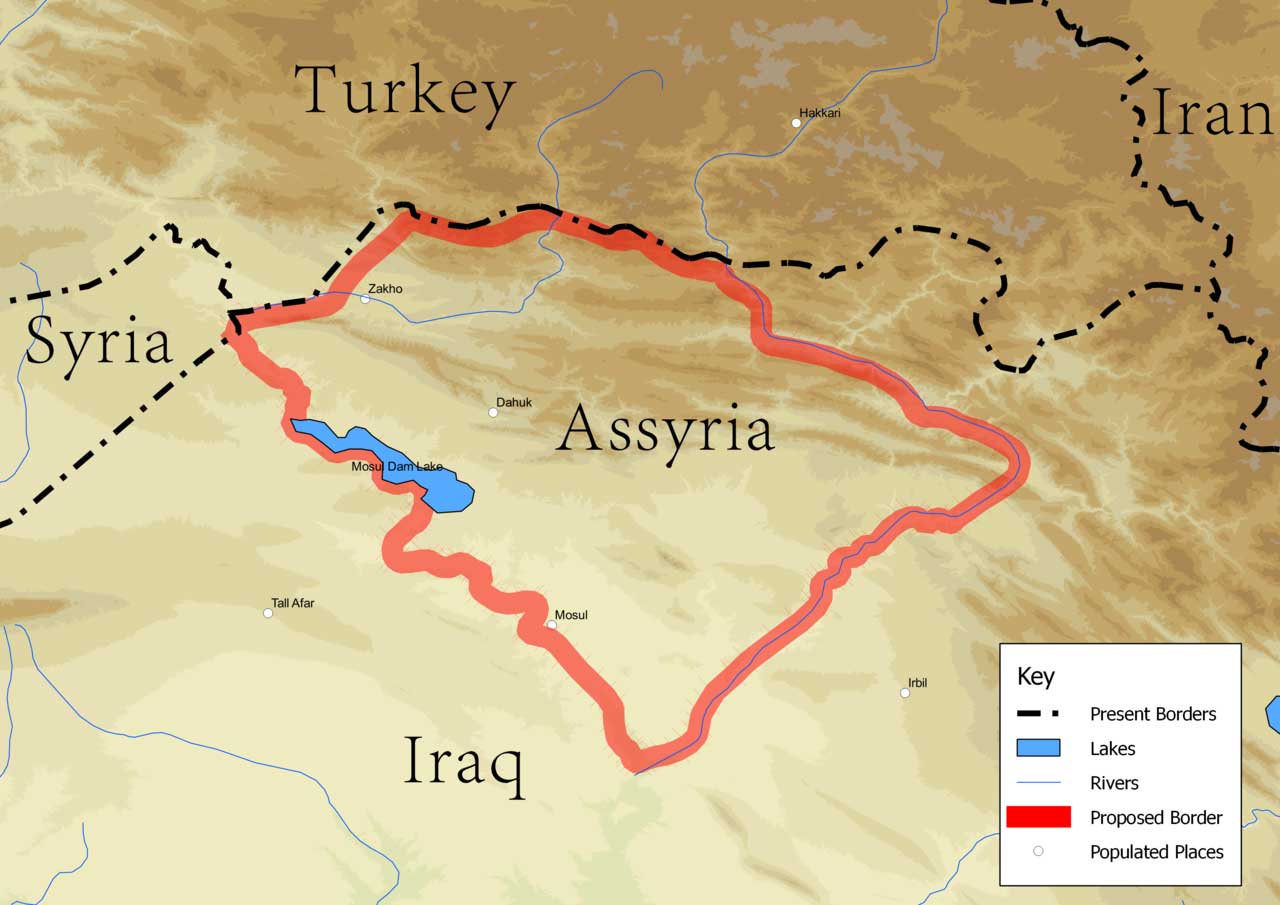

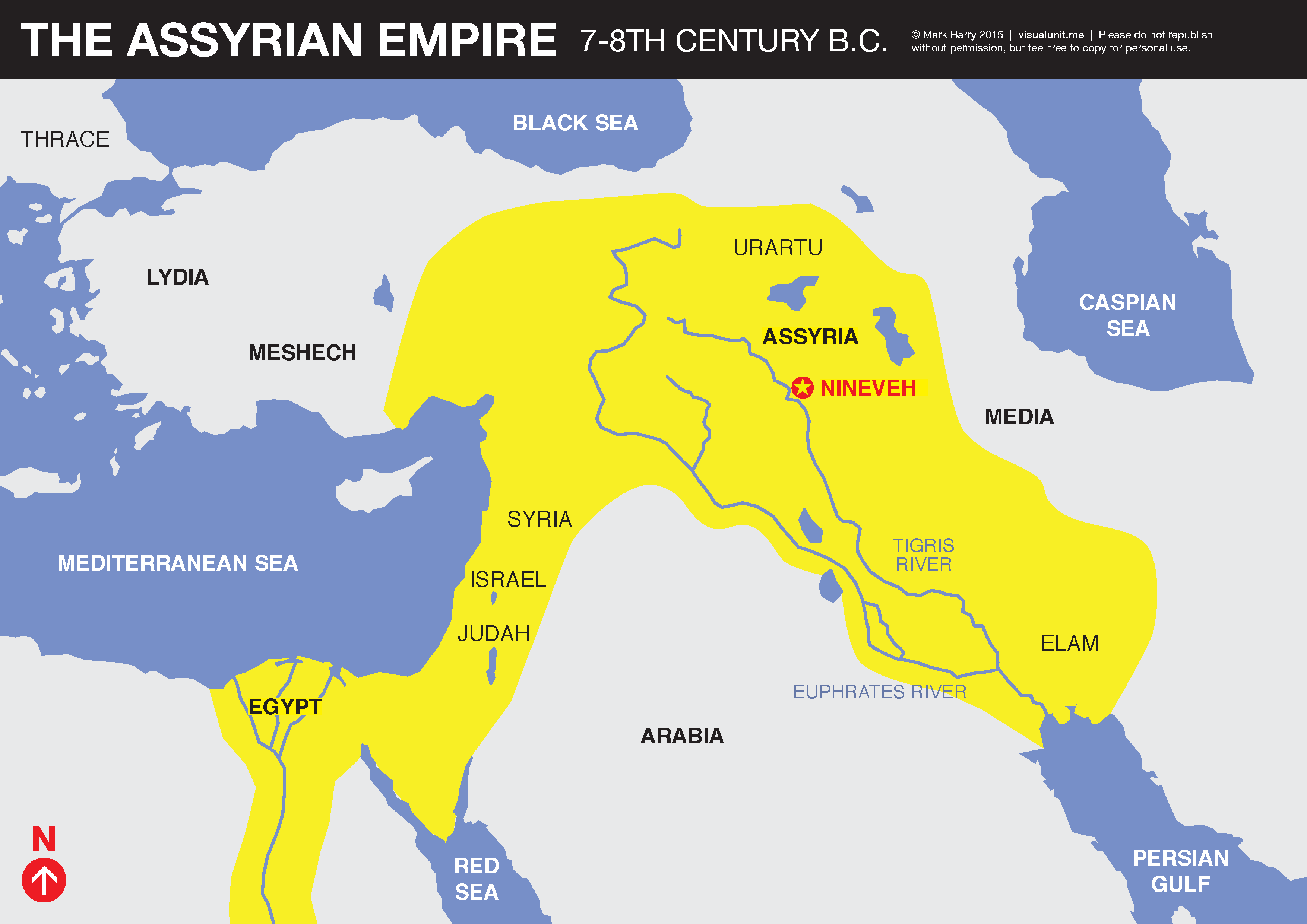
Assyria In Five Maps Present History Maps Assyria Map A 3JaBk2rP . Modern Day Assyria Map Thoughts On This Map Assyrian Empire 2050 V0 . Canada And The Future Of Assyria Assyria WWI . 1 2 Kings 22 The Assyrian Empire . Assyrian Empire Map VISUAL UNIT Assyrian Empire


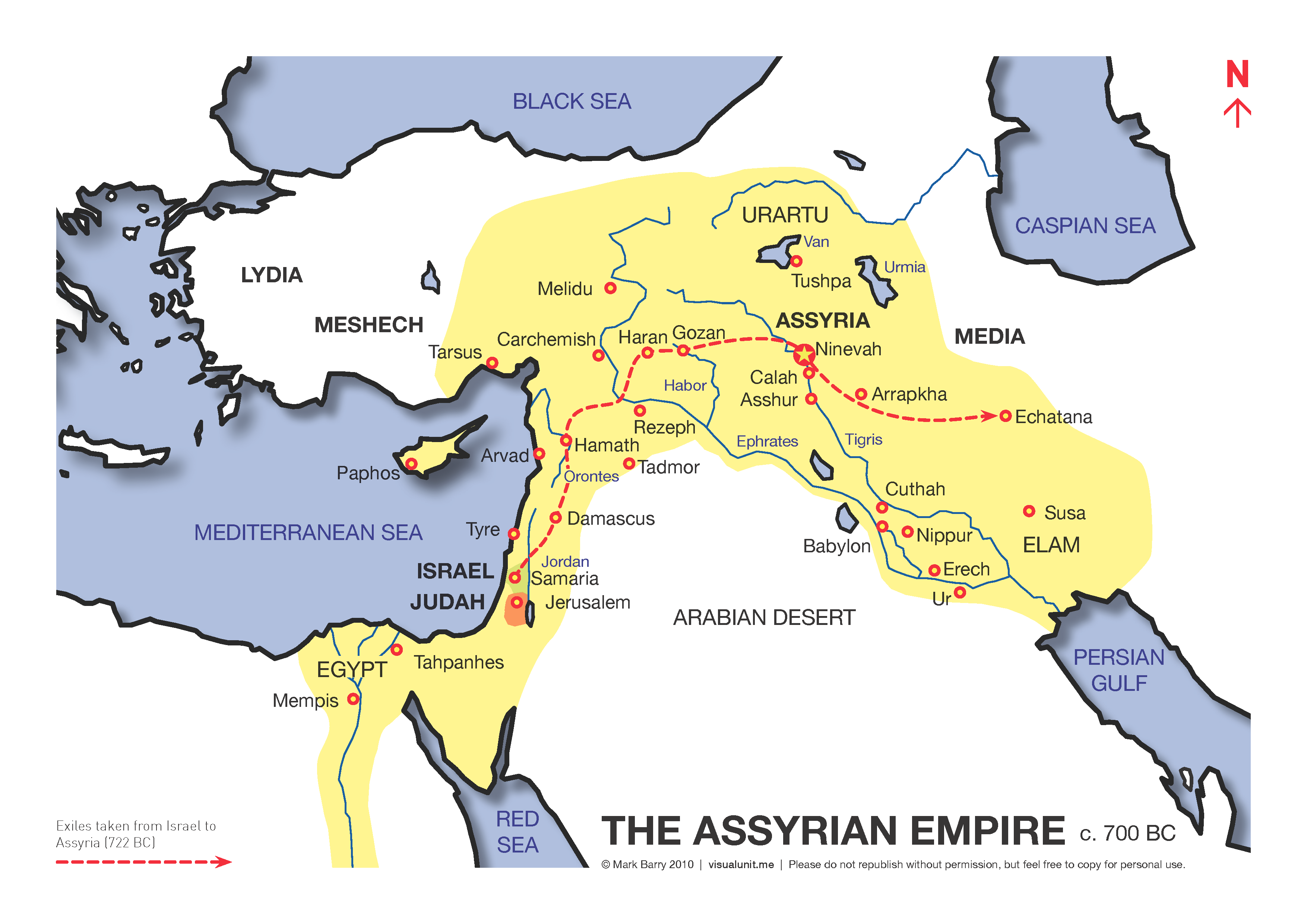
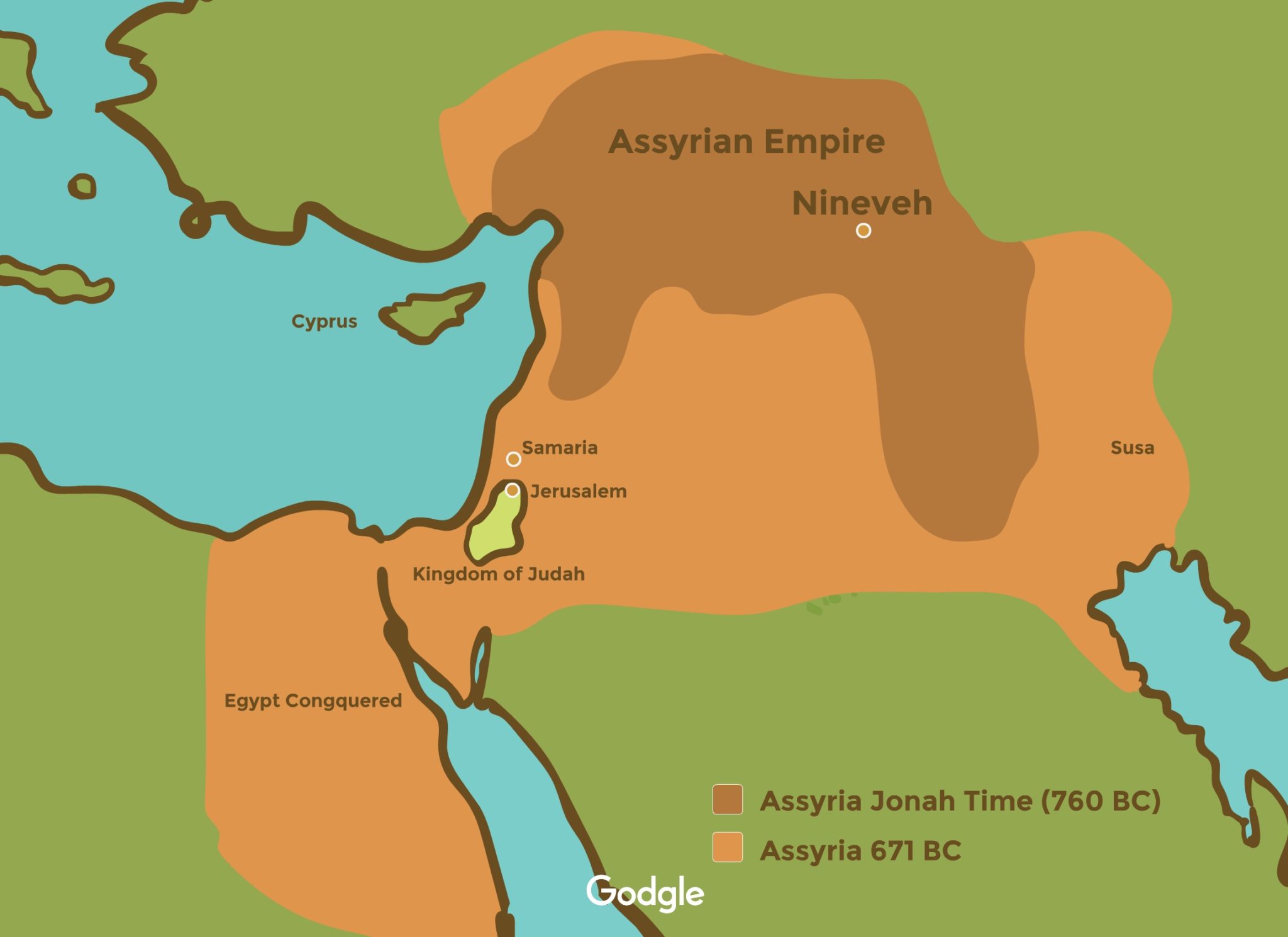
Assyrian Empire Color Map 72 DPI 1 Year License Bible Maps And Images Assyrian Empire 768x524 813c3b7d B164 4b8d B2d3 . Modern Day Assyria Map Assyria . Modern Day Assyria Map . Ancient Assyria Map Brief History Of Assyrians Assyria Empire . Assyrian Map A Major Empire Mosul Cultural Museum Map0004


Syrian Civil War Map April 2024 2024 12 04 Syria Control Map Promo . Vector Map Assyrian Empire Stock Vector Royalty Free 1346872571 Stock Vector Vector Map Of The Assyrian Empire 1346872571 . Assyrian Empire . Assyrian Map A Major Empire Mosul Cultural Museum 03 Nahum Assyrian Empire Copyright Stephen M Miller 1000px . The Assyrian Empire During Various Phases Of Its History Download The Assyrian Empire During Various Phases Of Its History


Assyrian Map Tumblr 1280 . Assyrian Empire Map . Assyrian Empire Map Stock Photo Original Hand Drawn Map The Assyrian Empire In B C It Covered An Area Of What Is Today Syria 621054719 . Assyria PPT Assyria 8 2048 . Assyria Map The Assyrian Ascendancy In Western Asia Assyria
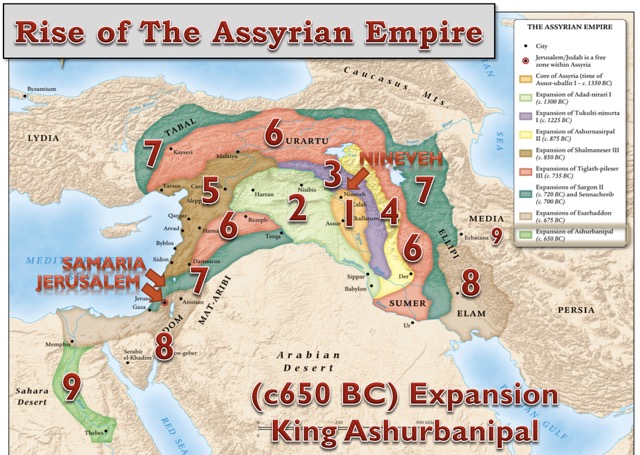


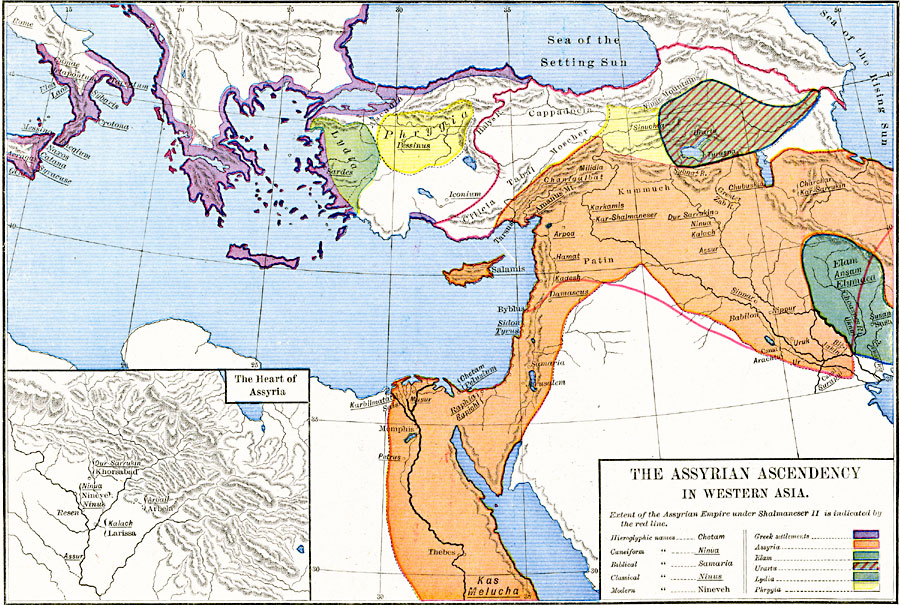
Assyria Map In The Bible Greece Armenia And Assyria Proposed By Paris 9 . Who Are The Assyrians Live Science 1024 80 . The Men Who Uncovered Assyria BBC News 81773241 Assyrian Map 624 3 . Assyrian Empire Map 13557 . Assyrian Empire Map 6803


Map Of The Assyrian Empire Hi Res Stock Photography And Images Alamy Map Of The Assyrian Empire Old Testament FB9GTY . Assyrian Empire Map Assyrian Empire . Map Of Assyrian Conquests Free Bible Map Of Assyrian Expansion . Map Of The Assyrian Empire The Destruction Of Israel Bible History Map Assyria Empire . Assyria Jatland Wiki 450px Assyria Map Arround 1000BC


Map Of Claimed Assyrian Territory By The News Maps On The Web Tumblr 640 . Map Of The Assyrian Empire Bible History 02 Empire Assyrian 2021 12 02 203225 Afmb . Uncovering The Bible S Buried The Assyrians Exhibit Big Map . Assyria In Five Maps Present History Maps Assyrian Community Map 1910 A . Map Of The Assyrian Empire Ancientmap6