Understanding the US House of Representatives district map is crucial for every American voter. These vital maps determine who represents your voice in Washington and directly impact national policy. Navigating your specific district empowers you to engage effectively with your elected officials. This guide explores the creation, purpose, and significance of these district lines. It offers invaluable information on how boundaries are drawn, why they shift, and where to find your current representative. Discover the informational potential behind these maps trending in the United States, helping citizens stay informed and participate actively in democracy. Knowing your district is the first step toward impactful civic engagement and ensuring fair representation for all.
What is a congressional district?
A congressional district is a defined geographic area within a state that elects one representative to the U.S. House of Representatives. These districts are drawn to ensure proportional representation based on population, ideally containing roughly the same number of residents. Each district serves as a unique constituency for its elected official in Washington D.C.
How often are district maps redrawn?
District maps for the U.S. House of Representatives are redrawn every ten years. This redistricting process follows the completion of the decennial U.S. Census, which provides updated population data for each state. The new maps reflect population shifts and ensure that districts maintain relatively equal populations, upholding the 'one person, one vote' principle.
Who draws congressional district maps?
In most U.S. states, the state legislatures are primarily responsible for drawing congressional district maps. However, a growing number of states have adopted independent redistricting commissions. These commissions are designed to reduce partisan influence and create fairer, more competitive districts, often with public input. The specific process varies significantly by state.
What is gerrymandering and its impact?
Gerrymandering is the practice of manipulating electoral district boundaries to give an unfair advantage to one political party or group. Its impact on the US House of Representatives district map can lead to districts with convoluted shapes designed to dilute opposing votes or pack supporters. This often results in less competitive elections and reduced voter influence over representation.
How can I find my congressional district and representative?
You can easily find your congressional district and representative by visiting official government websites. The U.S. House of Representatives website (house.gov) provides a simple lookup tool where you can enter your address. State election board websites also offer similar services. This helps you identify your specific representative and connect with their office effectively.
Why do district lines change over time?
District lines change primarily to account for population shifts identified by the decennial U.S. Census. As populations grow or shrink in different areas, boundaries must be adjusted to ensure each district represents a similar number of people. This rebalancing prevents malapportionment and maintains fair representation, even if a state's total number of representatives remains constant.
Ever wondered how your vote truly shapes Washington? The US House of Representatives district map is the blueprint for our democracy. It tells us who represents us and ensures every American has a voice. Understanding this map is crucial for informed participation in our political system today.
So, what exactly is the US House of Representatives district map? It is a visual representation dividing states into specific congressional districts. Each district elects one representative to the US House. These maps are fundamental to how our federal government operates and how your local concerns reach the national stage.
These important maps are typically redrawn every ten years. This process occurs after the decennial U.S. Census. State legislatures usually undertake this task. Independent commissions handle it in some states. The goal is to reflect population changes accurately.
Why is the US House of Representatives district map so important? It directly impacts voter representation and political power. Fair maps ensure communities have a strong voice. Unfair maps, however, can dilute votes and lead to less accountable representation. This makes the redistricting process highly consequential.
Knowing your congressional district helps you connect with your representative. This connection is vital for advocating on issues important to you. The US House of Representatives district map helps you identify exactly who works for you. You can then engage them directly with your thoughts and concerns.
Tracking changes to the US House of Representatives district map can be insightful. These adjustments reflect demographic shifts and evolving communities. Staying informed about your district ensures you are prepared for upcoming elections. It also keeps you aware of potential shifts in political landscape.
What Others Are Asking? about the US House of Representatives district map
What is the purpose of US House districts?
US House districts define geographic areas within states from which a representative is elected to Congress. Their main purpose is to ensure proportional representation based on population, giving a voice to local communities in federal legislation. This structure allows for diverse regional interests to be heard and debated effectively in the House.
How often are district maps redrawn?
District maps for the US House of Representatives are typically redrawn once every ten years. This process, known as redistricting, occurs after the completion of the decennial U.S. Census. The Census provides updated population data, which then guides the creation of new district boundaries to ensure equal representation.
Who draws congressional district maps?
In most states, the state legislatures are responsible for drawing congressional district maps. However, some states use independent redistricting commissions. These commissions aim to remove political bias from the process. Their goal is to create fairer and more competitive electoral districts, often leading to less partisan outcomes.
What is gerrymandering and how does it affect the US House of Representatives district map?
Gerrymandering is the practice of manipulating electoral district boundaries to favor one political party or group. It significantly affects the US House of Representatives district map by creating oddly shaped districts designed to dilute the voting power of opposing parties or strengthen incumbents. This can lead to less competitive elections and reduced voter influence.
How can I find my congressional district and representative?
You can easily find your congressional district and representative by entering your address on official government websites. The U.S. House of Representatives website or your state's election board website are excellent resources. Many civic engagement platforms also offer tools to locate this vital information quickly and accurately.
Why do congressional district lines change?
Congressional district lines change primarily due to population shifts identified by the decennial Census. States may gain or lose congressional seats, requiring redrawing all districts. Even if a state retains the same number of seats, population changes within the state necessitate adjustments to ensure each district represents roughly the same number of people, upholding the principle of one person, one vote.
FAQ about the US House of Representatives district map
What is the US House of Representatives district map?
It's a visual guide showing how each state is divided into areas. Each area, or district, elects one person to represent it. These maps ensure fair representation based on population. They are fundamental to our democratic system.
Who creates the US House of Representatives district map?
Typically, state legislatures draw these maps. Some states, however, use independent commissions. The goal is to create districts that reflect population changes. This process occurs after the national census every decade.
Why are US House district maps important?
These maps are crucial because they determine who represents you in Congress. They directly impact how your community's voice is heard on federal issues. Fair maps are vital for effective democracy. They ensure every vote carries appropriate weight.
How does the US House of Representatives district map affect me?
Your district map determines your specific congressional representative. This representative advocates for your local interests in Washington. Knowing your district allows you to contact them directly. You can share your views and concerns effectively, making your voice heard.
When are US House district maps updated?
These maps are updated after each U.S. Census, which happens every ten years. The new population data collected helps states redraw their boundaries. This process ensures districts remain roughly equal in population size. The most recent major redraw occurred following the 2020 Census.
Understanding Your US House of Representatives District Map
The US House of Representatives district map defines our political landscape. It ensures every community has a voice in federal lawmaking. These maps are not static. They evolve with population shifts across the nation. This critical redistricting process keeps our democracy current. It ensures representation remains equitable. When you understand your district, you empower your participation. You can easily connect with your elected officials. This engagement strengthens our entire system.
Understanding the current US House of Representatives district map involves grasping its creation and impact. Each state receives a number of representatives based on its population. These representatives serve specific districts. The boundaries of these districts are drawn with great care. They aim to balance population counts. This balance is fundamental to the principle of one person, one vote. Without clear maps, representation could become unequal and unfair.
The process of drawing these maps is called redistricting. It usually happens every ten years. After the national census, new population data becomes available. States then use this data to adjust their district lines. This ensures each district has a similar number of residents. This careful remapping is essential for accurate representation. It helps maintain the integrity of our electoral system.
There are many ways to find your specific district on the US House of Representatives district map. Online tools are readily available. Government websites often provide interactive maps. You can simply enter your address to pinpoint your district. This immediate access to information is incredibly empowering. It helps you identify your representative quickly.
The US House of Representatives district map also highlights the concept of gerrymandering. This practice involves drawing districts to favor a particular party or group. It can lead to districts with unusual shapes. Voters should be aware of gerrymandering. Its effects can sometimes dilute the power of individual votes. Advocating for fair maps is a crucial part of civic duty.
Being informed about your US House of Representatives district map empowers you as a voter. It allows you to engage with the political process confidently. Knowing your district and representative is the first step. It is key to making your voice truly heard in national discussions. Stay informed and participate actively.
| Aspect of US House of Representatives District Map | Key Information |
|---|---|
| Purpose | Ensures proportional representation in Congress |
| Drawing Frequency | Every 10 years after the U.S. Census |
| Authority for Drawing | Primarily state legislatures; some states use independent commissions |
| Impact on Voters | Determines who represents your community federally |
| Key Challenge | Gerrymandering, which can manipulate district boundaries |
| How to Find Your District | Online tools, official government websites by entering your address |
| Current Cycle | Maps drawn after 2020 Census are in effect for 2022, 2024, and 2026 elections |
Understanding the US House of Representatives district map is essential for civic engagement. These maps dictate representation, influence policy, and are redrawn every ten years after the census. Key aspects include how lines are drawn, the impact of gerrymandering, and where to find your district information. Empowering citizens to locate their congressional district is vital for effective participation in US democracy.
 United States House Of Elections TRUSA Wiki House Map
 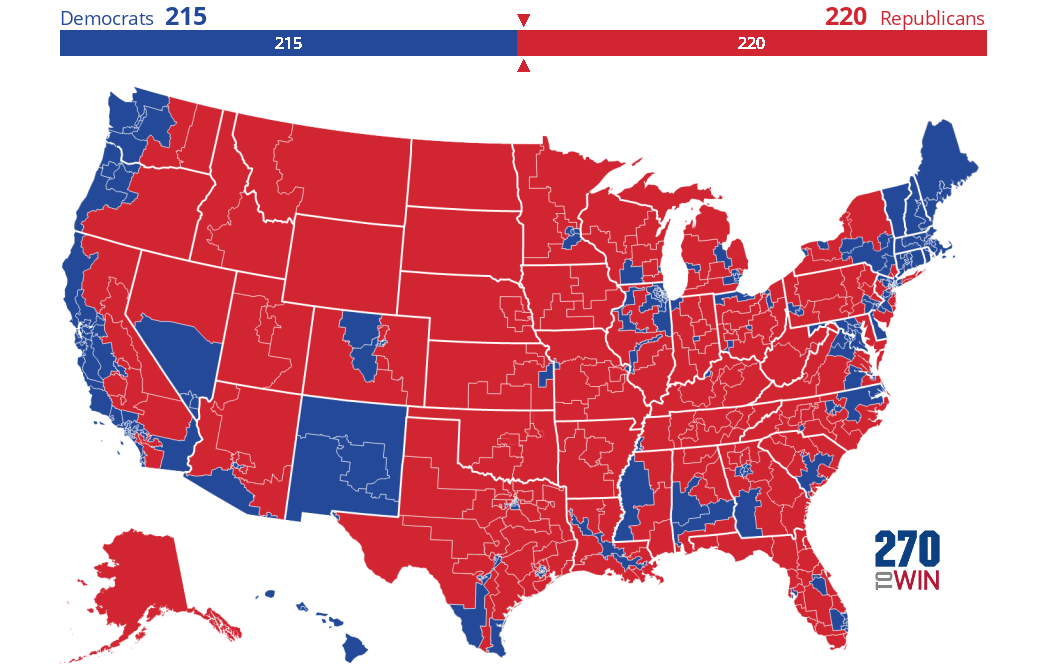 Introducing The House Interactive Map toWin Election Incumbent Party
  US House Of Districts By Party MapPorn Printable Map Us House Of Districts By Party Mapporn
 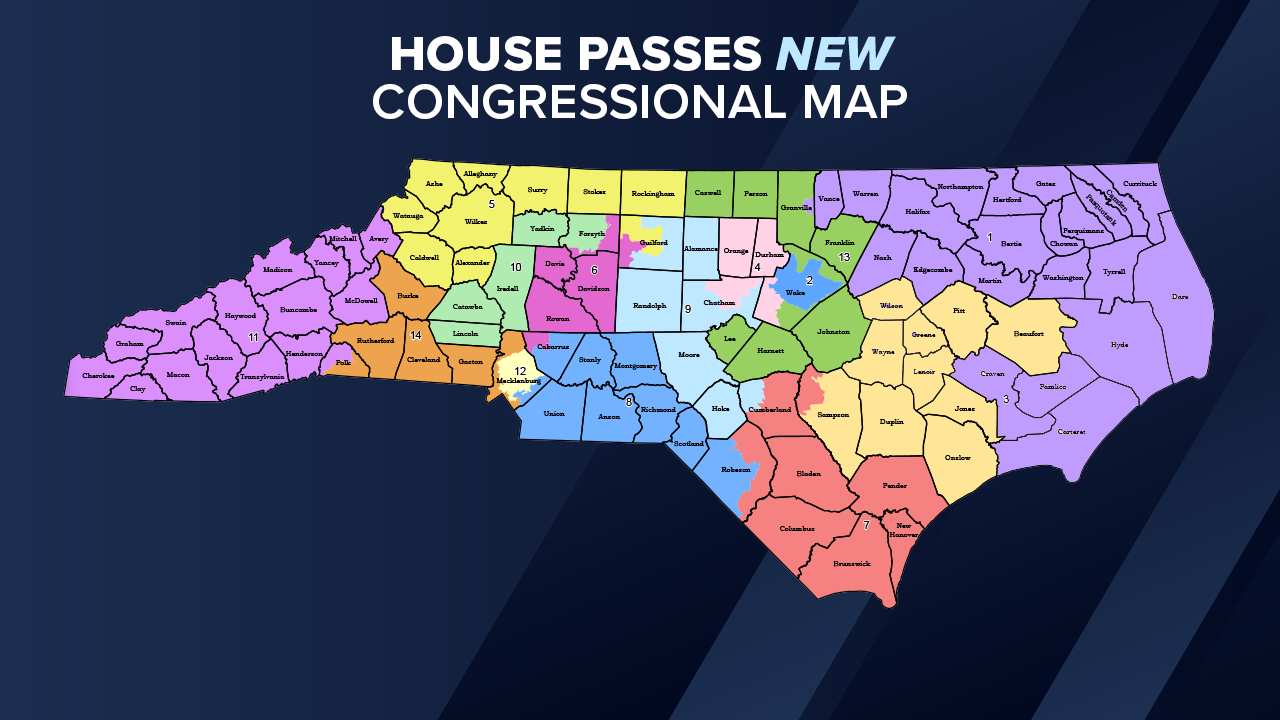 New NC Map Becomes Law Expected To Gain Republicans NewMap
 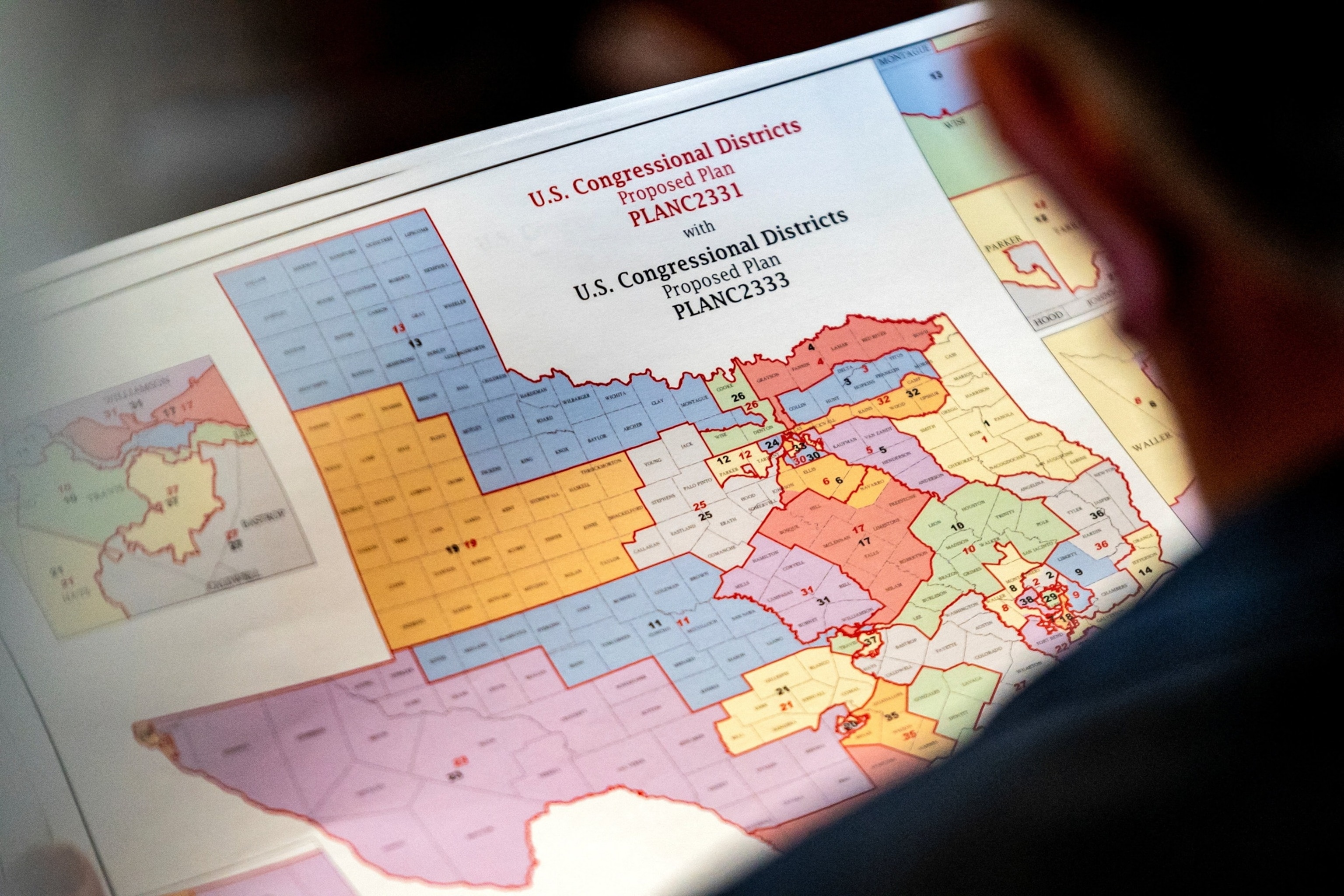 Texas Gov Abbott Signs Redrawn Map Favoring Republicans Texas Rt Gmh HpMain
 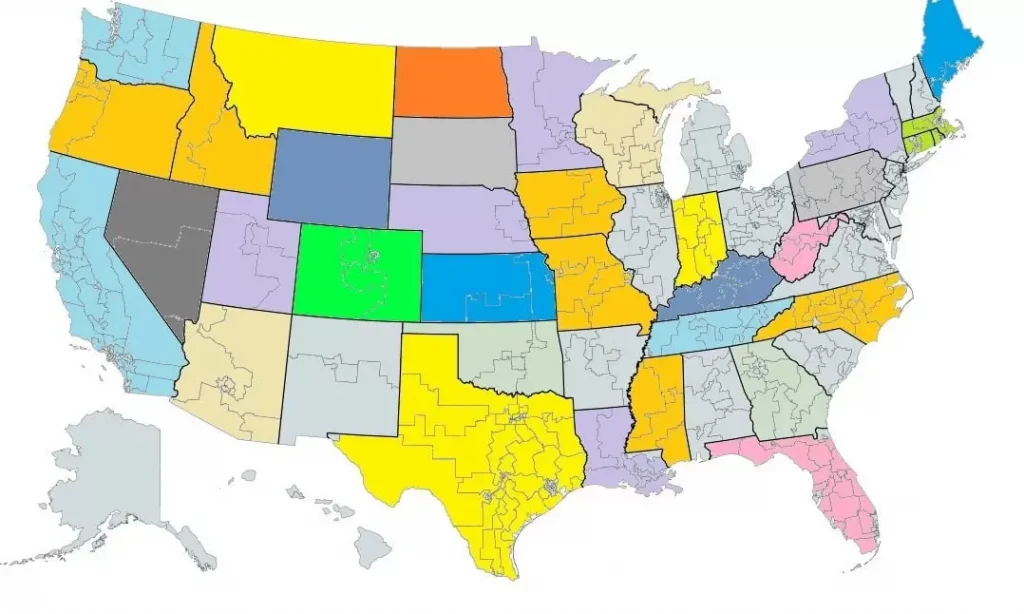 US Districts Maps USA Districts GIS Maps Us District Map
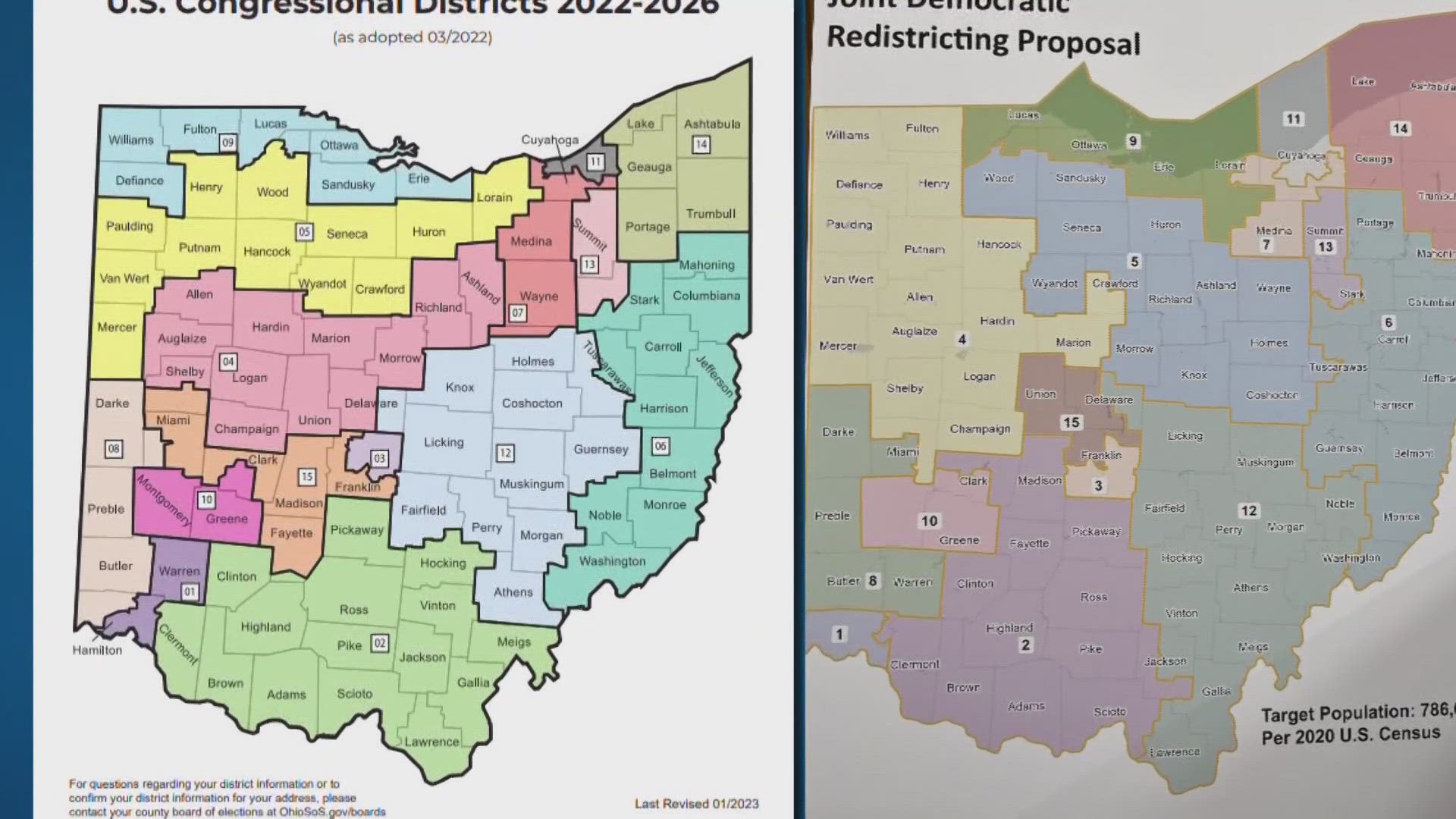 New Effort Underway To Redraw Ohio S Political Map For US Cdffb dc aa B x
  CA Democrats Hold Hearings On New Map To Counter Trump Kfsn Map Draft
  US Election Everything You Need To Know In Maps And Charts US Interactive US Elections GFX
  House Map Prediction January YouTube
 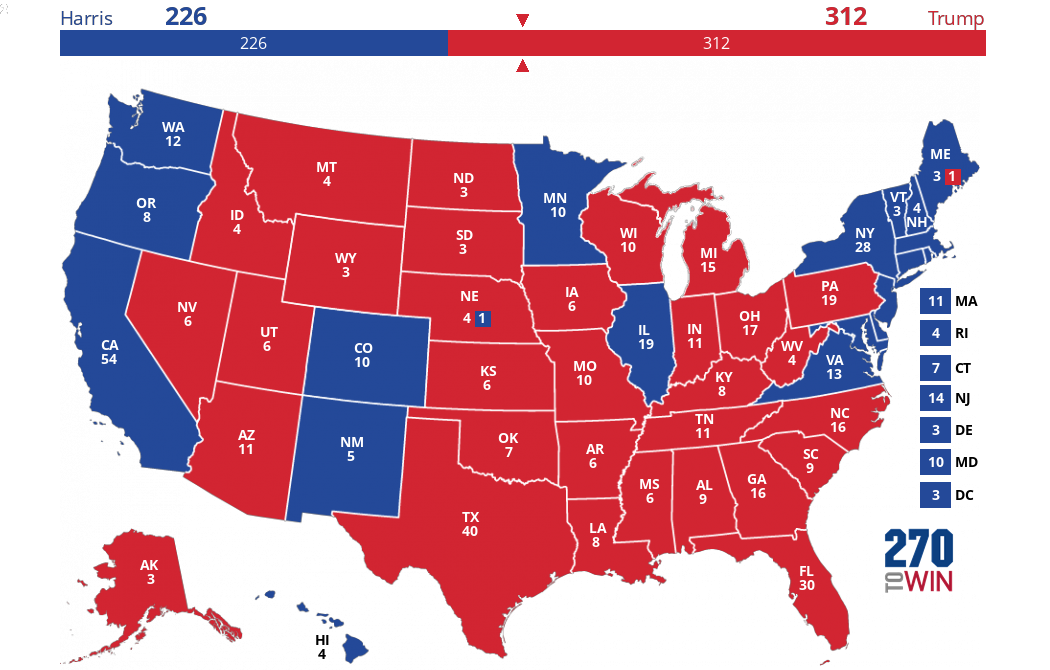 Introducing The House Interactive Map toWin Actual