Understanding the French Presidential Election Map is crucial for Americans tracking global politics. This comprehensive guide helps you navigate the electoral landscape of France, revealing how regional voting patterns influence national outcomes. Discover the key players, the electoral process, and the potential implications for US foreign policy and economic ties. We explore why certain areas lean left or right, offering insights into French voter behavior and what these maps signal for the future of Europe. Stay informed on this vital international event and its ripple effects across the Atlantic. These maps offer a visual story of political shifts and public sentiment, making them a powerful tool for informed citizens.
What are the major political parties in France?
France has several prominent political parties representing a broad spectrum. Key parties include La République En Marche (centrist), Les Républicains (center-right), Rassemblement National (far-right), and La France Insoumise (far-left). Each party plays a significant role in shaping policy and political discourse. These parties contest elections nationally and regionally.
How does the French electoral system differ from the US?
The French electoral system primarily uses a two-round runoff for presidential elections, requiring an absolute majority to win. The US system employs a popular vote leading to the Electoral College. This fundamental difference means French candidates often build broader coalitions. They must appeal to diverse voter bases across two rounds.
Who won the last French presidential election?
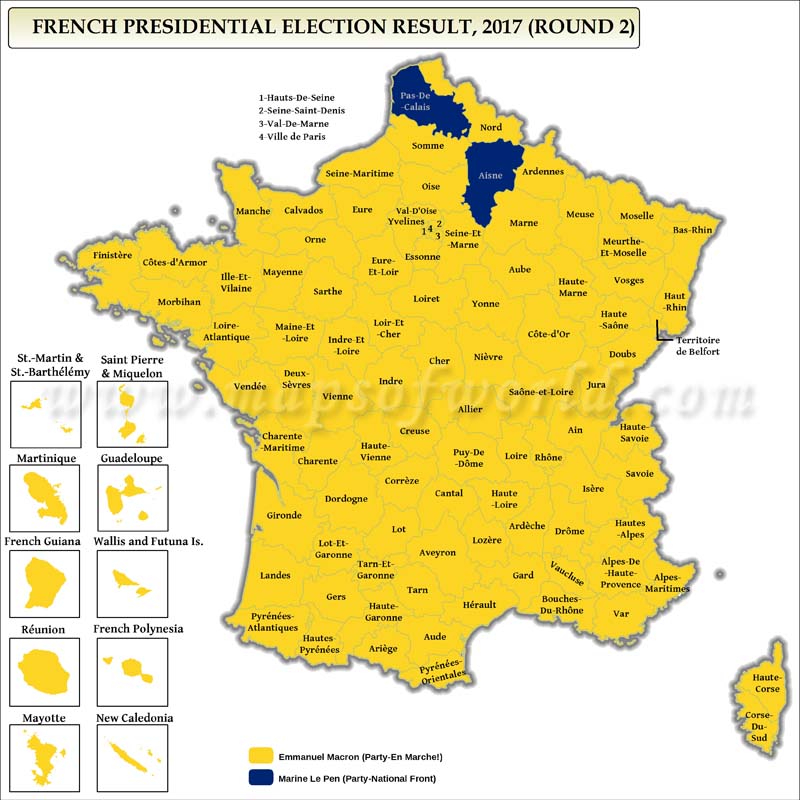
Emmanuel Macron won the most recent French presidential election in 2022. He was re-elected for a second term, defeating Marine Le Pen in the second round. His victory secured another five years for his centrist platform. It also continued his leadership in France and Europe.
What is the role of the President in France?
The French President holds significant power, serving as both head of state and head of government. They appoint the Prime Minister, preside over the Council of Ministers, and are commander-in-chief of the armed forces. The President plays a crucial role in domestic policy and foreign affairs. Their decisions shape France's direction.
Are French presidential elections fair?
French presidential elections are generally considered fair and transparent. They are overseen by independent electoral commissions and strict regulations. Voters cast their ballots securely, and results are meticulously counted and verified. The system includes provisions for appeals and challenges. This ensures integrity in the democratic process.
Ever wonder how the French Presidential Election Map truly works and why it matters to us in the United States? The map visually displays how citizens across France vote in their critical presidential elections. These elections happen every five years, shaping France's direction and often impacting global dynamics. Understanding this map helps us see where different political leanings dominate geographically, offering clues about national sentiment. It reveals the political pulse of a key European ally, and knowing its story is good for anyone interested in world events.
Decoding the French Presidential Election Map for Americans
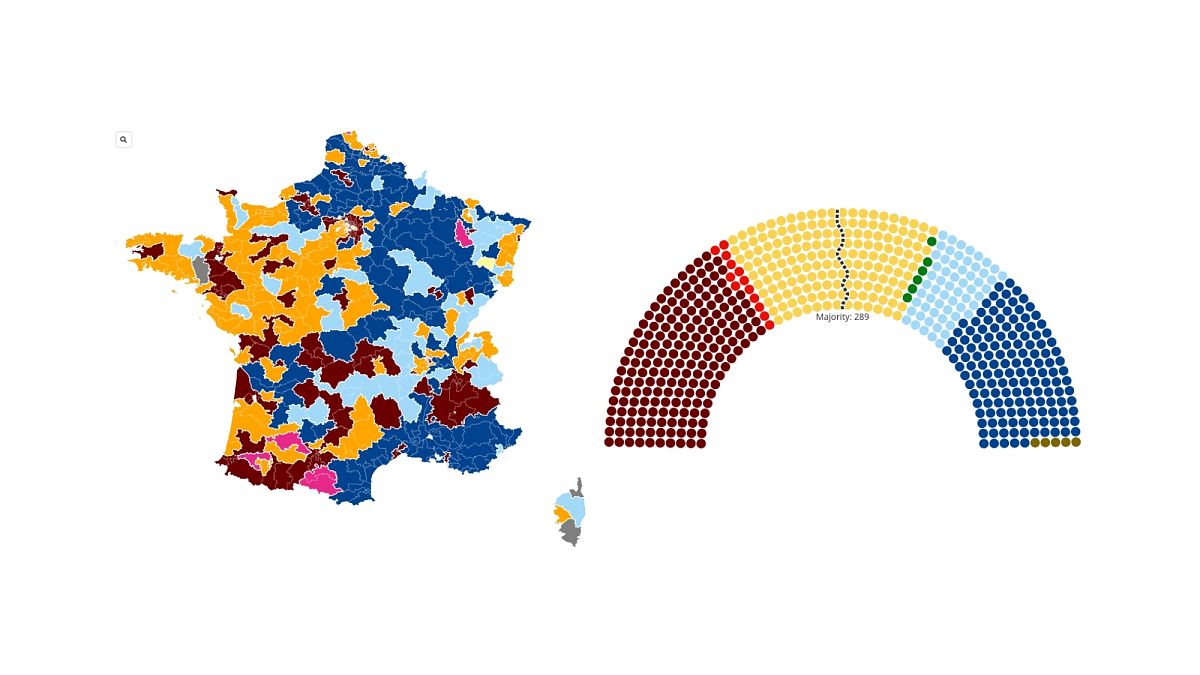
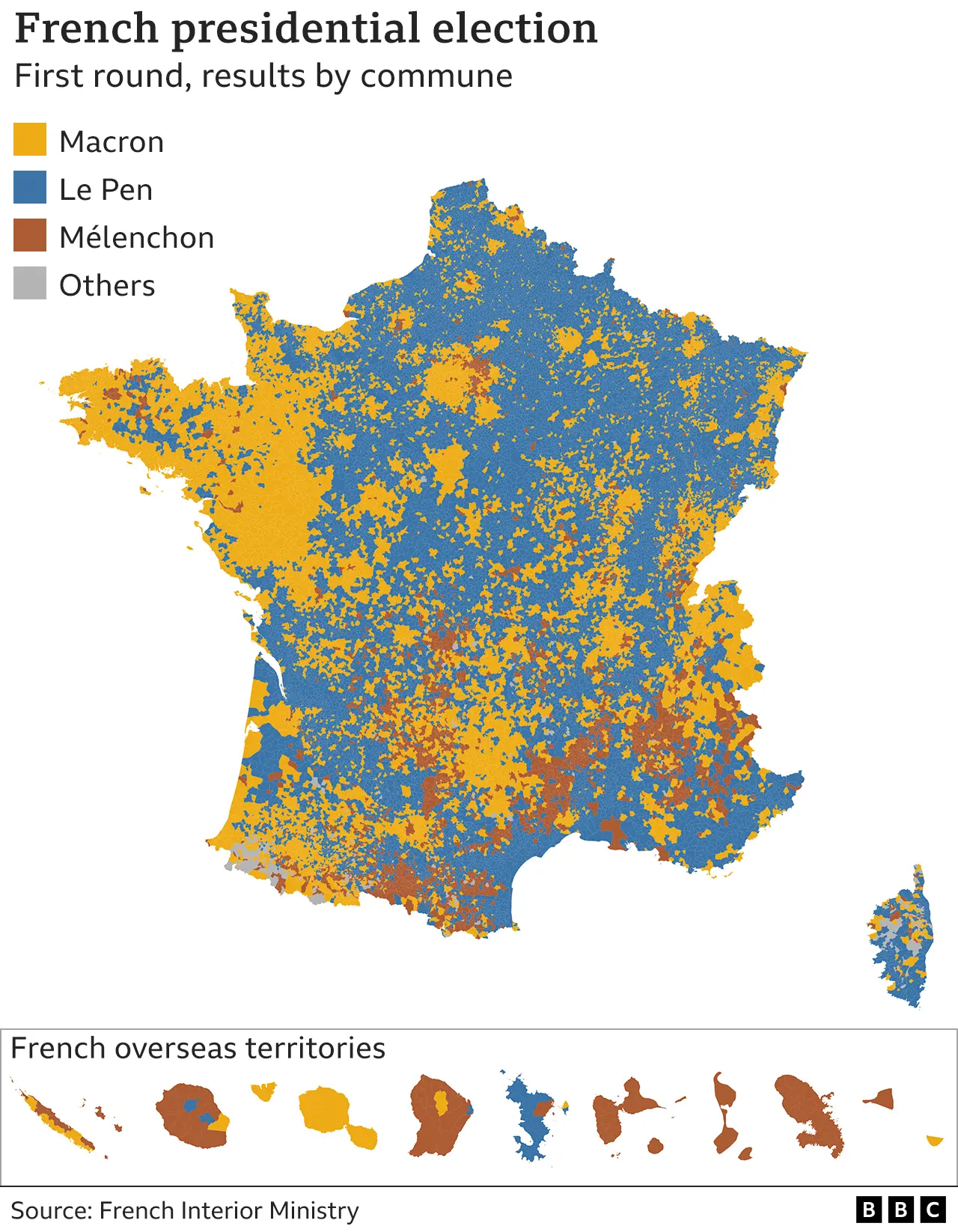
The French Presidential Election Map is like a snapshot of France's political soul. It colors various departments and regions based on their voting preferences. You'll often see distinct patterns emerge across the country. These colors quickly show which candidates or parties garnered the most support in different areas.
Rural areas, for instance, frequently lean towards more conservative or even far-right candidates. This trend is often driven by concerns over economic policies or national identity. Meanwhile, major cities like Paris or Lyon typically show stronger support for center-left or progressive parties. Urban voters often prioritize different social and environmental issues.
Economic factors and local industries play a huge role in how these regions vote. Fishing communities might prioritize different issues than agricultural hubs. Understanding the french presidential election map means recognizing these diverse local concerns. These maps aren't just pretty pictures; they tell a detailed story of French democracy.
Why the French Presidential Election Map Matters to the USA
When France votes, the United States pays close attention, and for good reason. France is a major NATO ally and a powerful voice within the European Union. The outcome of its presidential election directly influences transatlantic relations. A French leader shapes foreign policy, impacting global stability and collective security efforts.
The french presidential election map can signal shifts in leadership. These shifts can affect everything from trade agreements to international climate efforts. If France shifts its diplomatic stance, it creates ripple effects across Europe and beyond. This certainly includes its relationship with Washington and US foreign policy objectives. Strong alliances depend on understanding these political movements.
Glimpses into History: Past French Presidential Election Maps
Looking at historical french presidential election map data reveals fascinating trends. Over the years, we've seen certain regions consistently support particular ideologies. However, other areas show a more volatile voting pattern, reflecting changing demographics or economic pressures. These maps illustrate moments of national unity and deep division.
For example, industrial heartlands once reliably voted for socialist candidates. Today, some of these areas have shifted support towards more populist movements. This evolution shown on the map provides valuable context for future elections. It helps us understand the evolving political landscape of France. Every election map tells a new chapter in French political history.
What Others Are Asking About the French Presidential Election Map?
What is the electoral system in France?
France uses a two-round system for its presidential elections. If no candidate wins an absolute majority in the first round, the top two candidates proceed to a runoff. This second round ensures the winning candidate has broad support. It is designed to elect a president with a clear mandate.
How many rounds are in a French election?
French presidential elections typically involve two rounds. The first round narrows the field to two leading contenders. A second, decisive round then determines the ultimate winner. This system is crucial for securing a strong majority. It ensures popular legitimacy for the presidency.
Which regions typically vote conservative in France?
Historically, regions in the western and central parts of France often lean conservative. Rural areas and some southern departments also show strong conservative tendencies. These regions often prioritize economic stability and traditional values. Voters here often favor parties like Les Républicains.
Which regions typically vote liberal in France?
Major urban centers and their surrounding suburbs, like Paris, Lyon, and Bordeaux, frequently vote more liberally. These areas tend to support progressive and centrist candidates. Voters in these regions often emphasize social justice, environmental policies, and European integration. They align with parties like La République En Marche.
When is the next French presidential election?
The next French presidential election is scheduled for 2027. These elections occur every five years, following a set constitutional timetable. Candidates will begin campaigning well in advance of the election dates. This ensures ample time for public debate and policy discussion.
FAQ on the French Presidential Election Map
What is the French Presidential Election Map?
The French Presidential Election Map graphically displays voting results by region or department. It uses colors to show which candidate or party won in specific geographical areas. This visual tool offers quick insights into national political divisions and voter distribution.
Who runs in the French Presidential Election?
Numerous candidates from various political parties run for president in France. They represent diverse ideologies, from the far-left to the far-right and center. Each candidate seeks to gain enough popular support to advance in the two-round election system.
Why are French election maps important?
French election maps are important because they visualize democratic outcomes. They help analyze regional voting behavior, identifying political strongholds and battleground areas. For the US, these maps offer clues about France's future policies and international alignment.
How do you read a French Presidential Election Map?
To read a french presidential election map, simply look at the colors assigned to each region. A legend will indicate which color represents which candidate or party. Darker shades might denote stronger support. This visual guide makes complex data easily understandable.
Key Facts about the French Presidential Election Map
| Feature | Description |
|---|---|
| Electoral System | Two-round system (majority required) |
| Election Frequency | Every five years |
| Key Regions | Metropolitan France and Overseas territories |
| Voter Turnout | Often high, especially in the second round |
| Political Spectrum | Wide range from far-left to far-right |
Key Takeaways on the French Presidential Election Map
Understanding the french presidential election map provides deep insights into France's political heartbeat. It highlights regional divides, shows shifting voter preferences, and offers clues about national policy directions. For Americans, these maps help clarify France's role on the global stage. They underscore its importance as a crucial ally. Stay informed to better grasp the intricacies of international relations and democratic processes.
Key highlights of the French Presidential Election Map show distinct regional political divides. Urban areas often lean progressive, while rural regions tend to favor conservative or far-right candidates. Understanding these geographic trends provides insight into France's political landscape. Election maps visually explain voter behavior across departments. These maps are essential for comprehending French national policy directions and their global impact.
 Decoding The French Election Map x Cmsv de Cdb fd d
  File French Election First Round Map Svg Wikimedia px French Election First Round Map.svg
  French Election Results Visualised GIM
  Emmanuel Macron From Political Outsider To President French Election Round Communes x Nc .webp
 Blog French Election Results Maps V
  French Election Simulator Election
  Dasymetric Map Of The French Election Maps On The Web
  User Profile DeviantArt French Election Lfm By Dhaun w
  French Election Wikipedia px French Election Second Round Map.svg
  French Election Results Map French Election Results Map
  Last French Election Results R MapPorn