Waterways maps are rapidly gaining traction across the United States as essential tools for both recreation and vital commerce. These dynamic guides offer critical navigational insights for vast networks of rivers, lakes, and coastal areas, supporting everything from weekend boating trips to major shipping operations. Their informational potential is immense, providing real-time data on depths, currents, hazards, and amenities along America's intricate aquatic pathways. With advancements in digital mapping, these resources are more accessible and user-friendly than ever, making them a trending necessity for anyone exploring or working on US waters. They help users plan routes safely and efficiently, ensuring enjoyable experiences and smooth logistical flows across the nation.
Why is understanding a waterways map crucial for boaters?
Understanding a waterways map is crucial for boaters to ensure safety and efficient navigation. These maps detail water depths, potential hazards like rocks or shallow areas, and the location of navigational aids such as buoys and lights. They help boaters plan safe routes, avoid dangerous zones, and understand local regulations, ultimately preventing accidents and enhancing the overall boating experience.
What is the difference between a nautical chart and a waterways map?
The terms nautical chart and waterways map are often used interchangeably, but a nautical chart specifically refers to a map designed for marine navigation, typically covering coastal areas and oceans. A waterways map is a broader term that can include charts for inland rivers, lakes, and canals. Both provide essential navigational data, though the scale and specific details may vary depending on the body of water.
How do environmental agencies use waterways maps?
Environmental agencies utilize waterways maps to monitor aquatic ecosystems, manage conservation efforts, and assess environmental impacts. These maps help track changes in shorelines, identify critical habitats, plan restoration projects, and manage water resources. They are vital for understanding hydrological processes and implementing policies that protect the nation's precious water environments and biodiversity.
Can recreational users benefit from advanced waterways map features?
Absolutely, recreational users can significantly benefit from advanced waterways map features. Modern digital maps often include GPS integration, real-time weather overlays, tide and current predictions, and even points of interest like marinas or fishing spots. These features enhance safety, simplify route planning, and enrich the overall recreational experience by providing comprehensive and dynamic information at their fingertips.
What future innovations might impact waterways map technology?
Future innovations for waterways map technology are likely to include more sophisticated AI integration for predictive navigation, enhanced augmented reality overlays for real-world viewing, and even more granular real-time data from autonomous sensors. We might also see improved integration with smart vessel systems and crowd-sourced data, making maps even more dynamic, personalized, and responsive to immediate conditions for all users.
Waterways maps are essential tools for understanding and navigating the intricate network of rivers, lakes, and coastal areas across the United States. They serve boaters, commercial shipping, recreational users, and environmental planners by providing critical information about depths, channels, hazards, and amenities. These maps help define safe passages, highlight scenic routes, and support the strategic management of America's precious aquatic resources. They are continuously updated to reflect changing conditions, ensuring that anyone venturing onto US waters has the most accurate data available.
For millions of Americans, a detailed waterways map is more than just paper or pixels; it is a gateway to exploration and safety. These maps are crucial for plotting courses, understanding marine traffic lanes, and identifying potential hazards like shoals or submerged obstacles. Commercial vessels rely on these precise charts for efficient and secure transit of goods, underpinning significant portions of the nation's economy. The accuracy of these maps directly impacts journey times and operational safety.
Recreational enthusiasts, from kayakers to yacht owners, also find immense value in using a comprehensive waterways map. Imagine effortlessly discovering hidden coves, public access points, or lakeside campgrounds. These maps transform a simple outing into a well-planned adventure, reducing stress and enhancing enjoyment by providing all necessary details about water trails and scenic routes. They truly unlock the full potential of America's stunning natural aquatic landscapes.
The evolution of waterways map technology has revolutionized how we interact with water bodies. Gone are the days when static paper charts were the only option. Today, digital waterways map applications, often integrated with GPS, offer real-time updates on weather, currents, and even local points of interest. This digital shift provides dynamic, interactive experiences, making navigation more intuitive and accessible for a broader audience. Embracing these advanced tools ensures a safer and more informed journey every time.
Waterways Map Key Features Table
Here is a concise overview of the critical features you will find on a typical USA waterways map:
| Feature | Description | Benefit |
| Depth Soundings | Numerical values indicating water depth at various points. | Prevents grounding, ensures safe passage. |
| Navigational Aids | Symbols for buoys, lights, beacons, and ranges. | Guides vessels along safe channels, aids night navigation. |
| Shoreline Details | Depicts docks, marinas, ramps, and prominent landmarks. | Assists in identifying locations, planning stops. |
| Hazards | Marks rocks, wrecks, restricted areas, and strong currents. | Alerts mariners to dangers, promotes safety. |
| Bottom Composition | Indicates sand, mud, rock for anchoring purposes. | Helps in choosing appropriate anchoring spots. |
| Tides and Currents | Information on tidal ranges and current directions. | Crucial for planning transit, especially in coastal areas. |
What Others Are Asking About Waterways Maps?
What exactly is a waterways map?
A waterways map, often called a nautical chart, is a specialized graphical representation of a body of water and its surrounding coastal areas. It provides critical navigational information like water depths, shoreline details, navigational aids, and potential hazards. These maps are vital for safe and efficient travel on rivers, lakes, and oceans, serving both commercial and recreational mariners.
How do modern waterways maps assist navigation?
Modern waterways maps, especially digital versions, assist navigation by integrating real-time data with detailed cartography. They display GPS positions, highlight safe channels, track currents, and show weather overlays. This comprehensive data empowers users to plot precise courses, avoid obstacles, and respond effectively to changing conditions, ensuring safer and more efficient journeys across diverse aquatic environments.
Where can I find reliable digital waterways maps for the USA?
Reliable digital waterways maps for the USA are available through official sources like the National Oceanic and Atmospheric Administration NOAA and the US Army Corps of Engineers. Many reputable marine navigation apps and electronic chartplotters also provide up-to-date and user-friendly digital charts. Always opt for officially sanctioned sources to ensure the accuracy and currency of your navigational data.
Are waterways maps only for commercial use?
No, waterways maps are not solely for commercial use. While essential for shipping and maritime industries, they are equally invaluable for recreational boaters, anglers, kayakers, and environmentalists. These maps provide crucial information for safe passage, route planning, identifying fishing spots, and understanding aquatic ecosystems, making them beneficial for a wide array of users exploring US waters.
What are some major US waterways highlighted on these maps?
Major US waterways highlighted on these maps include the Mississippi River System, the Great Lakes, the Intracoastal Waterway along both Atlantic and Gulf coasts, and significant navigable rivers like the Hudson and Columbia. Coastal regions, bays, and sounds across the nation are also extensively covered. These maps detail the vast interconnected systems vital for transport, recreation, and ecological health.
Who typically publishes official waterways maps?
Official waterways maps in the United States are primarily published by government agencies. The National Oceanic and Atmospheric Administration NOAA is responsible for nautical charts of coastal waters and the Great Lakes. The US Army Corps of Engineers publishes river charts for inland navigable waterways. These agencies ensure maps meet stringent standards for accuracy and reliability.
How often are waterways maps updated?
Waterways maps are updated regularly to reflect changes in depths, navigational aids, and hazards. NOAA issues Notices to Mariners weekly, informing users of chart corrections. Digital charts often receive more frequent updates automatically. Staying current with these updates is critical for safe navigation, as underwater features and channel conditions can shift due to natural processes or human activity.
Summary of Waterways Map Insights
In conclusion, waterways maps are indispensable tools for anyone engaging with America's diverse aquatic environments. From guiding massive cargo ships to helping families enjoy a safe day on the lake, their role is paramount. As technology advances, these maps become even more powerful, offering dynamic, real-time insights that enhance safety, efficiency, and enjoyment for all users. Staying informed with current waterways map data ensures a responsible and rewarding experience on the water.
Navigational safety enhanced. Recreation and tourism boosted. Commercial transport optimized. Environmental planning supported. Real-time digital access. Historical route preservation.
 River Cruises River Cruise Line MAP DutchCanals CE Cruise Only x
 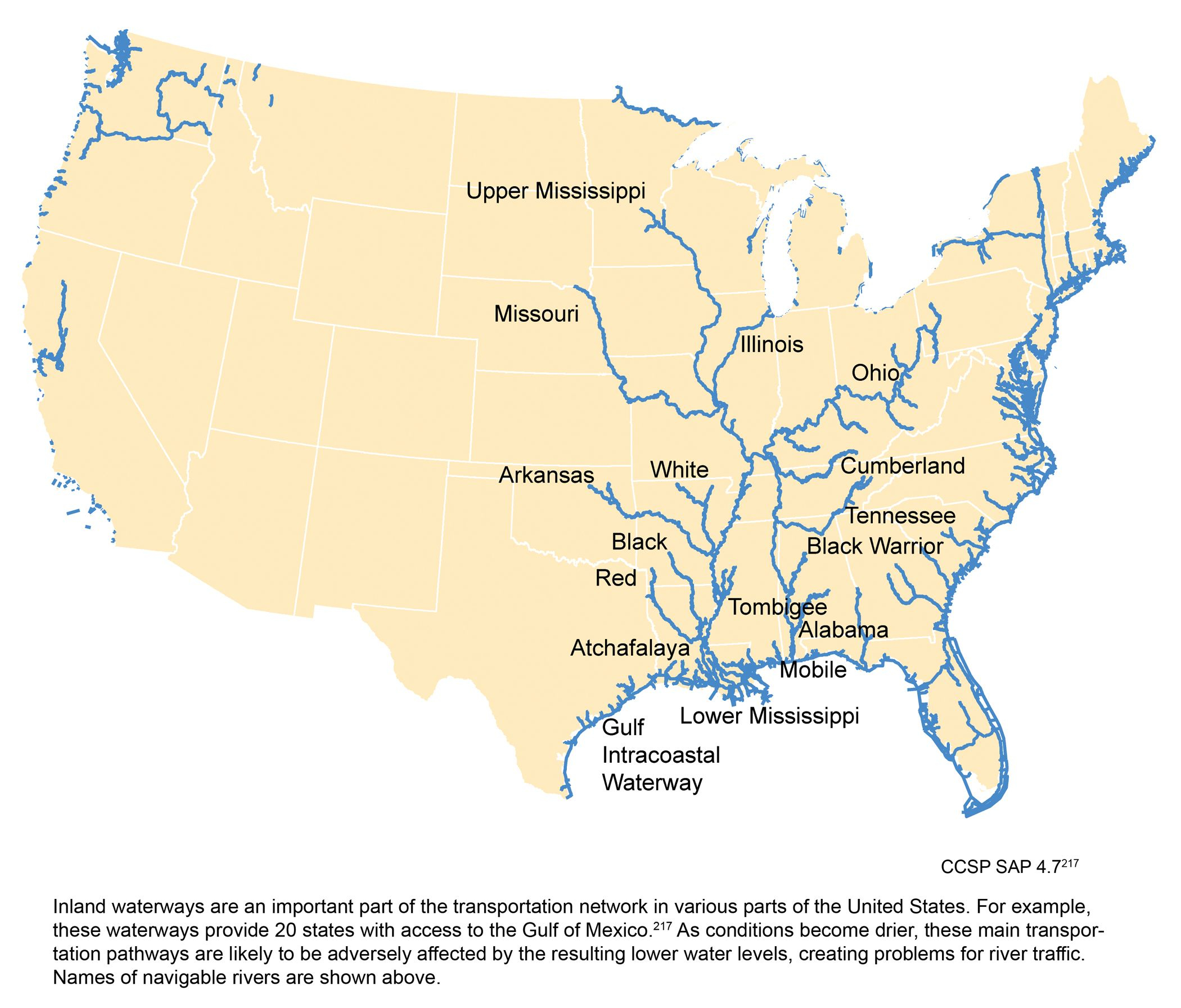 Us Map Of Waterways Printable Map Of The US Inland Waterways Of The Continental United States Waterway Map Map Geo
 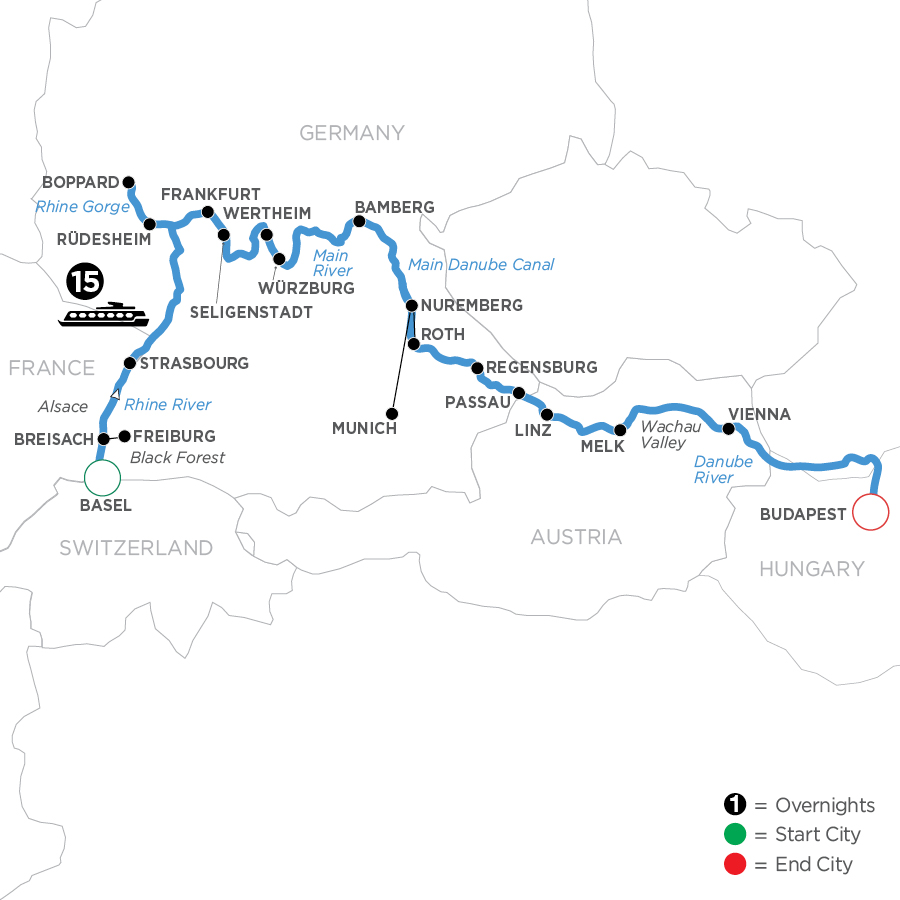 Day Avalon Waterways River Cruise From Basel To Budapest WZB Avalon River Cruise Days Basel To Budapest Map
 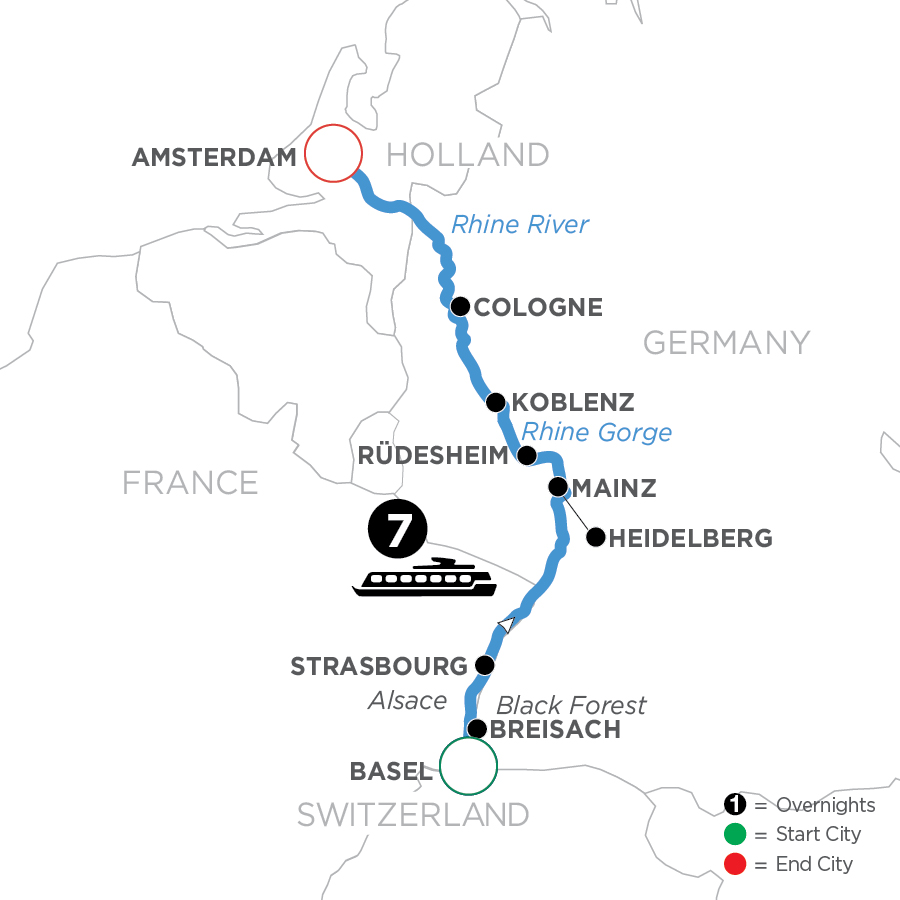 Day Avalon Waterways River Cruise From Basel To Amsterdam WZA Avalon River Cruise Days Basel To Amsterdam Map
 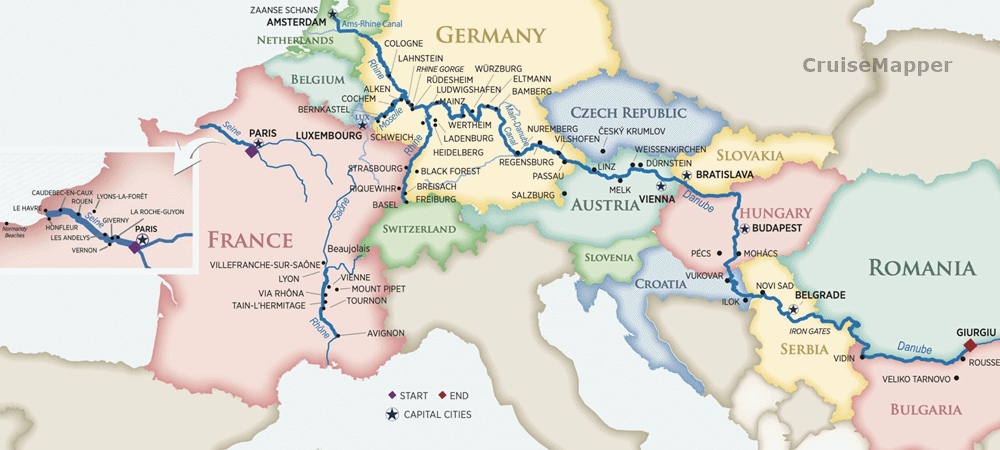 Ships And Itineraries
 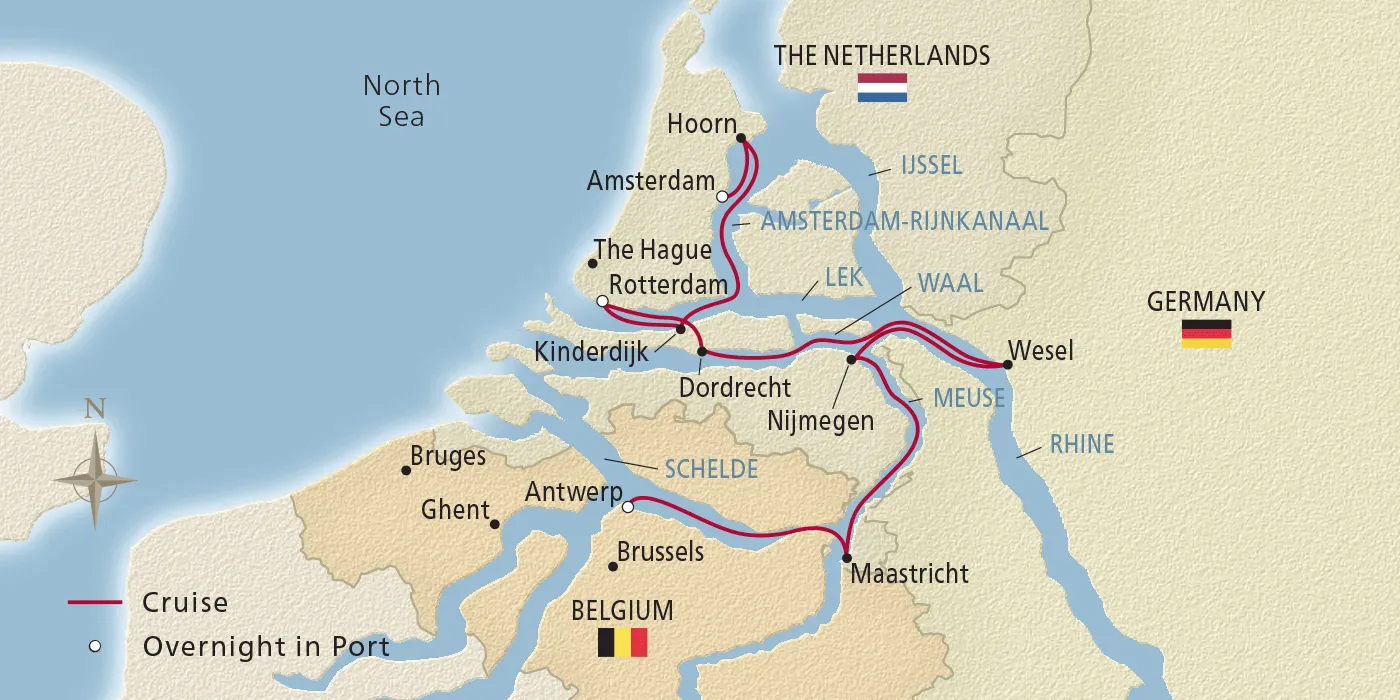 Holland Belgium Itinerary Amsterdam To Antwerp Viking
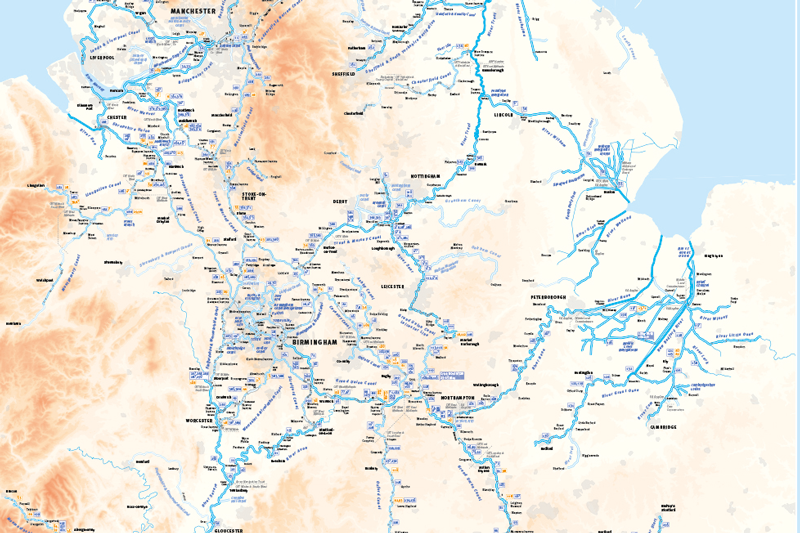 Waterways World Front Page Annual Map Cropped
 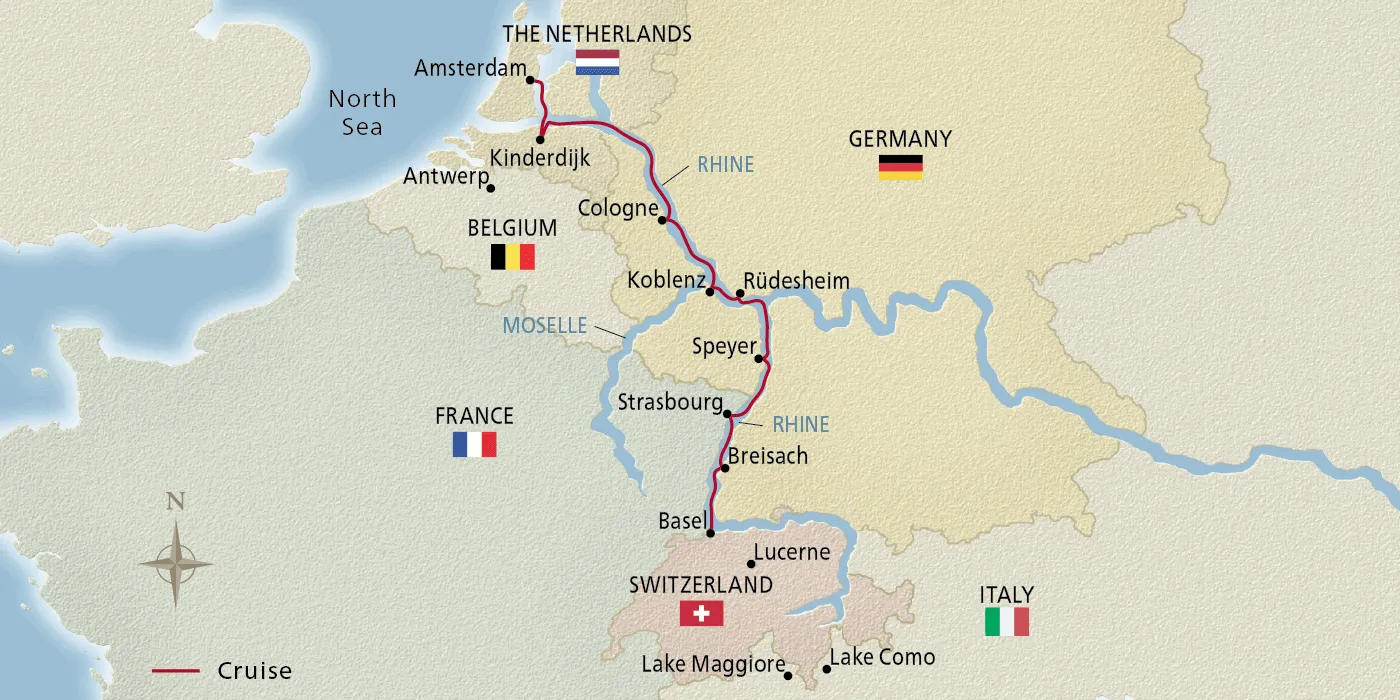 Rhine Getaway Itinerary Amsterdam To Basel Viking
 The DLCC Target Map Democratic Legislative Campaign Committee Expanded Target Map Web Inline x
 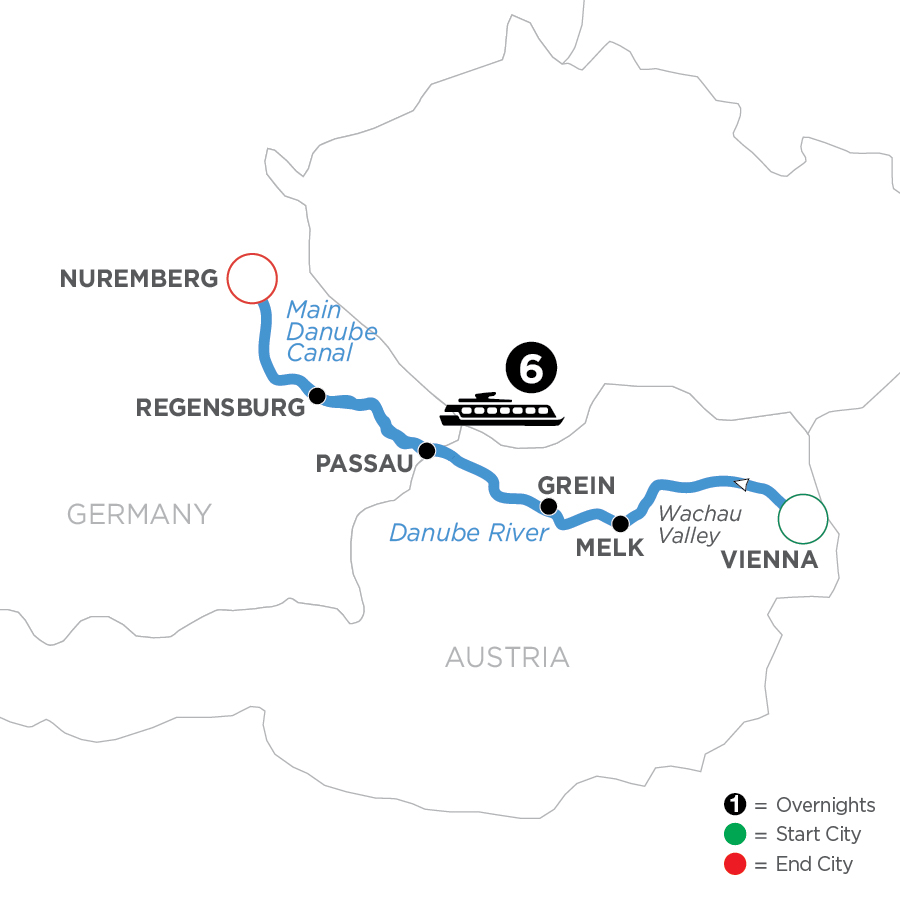 Day Avalon Waterways River Cruise From Vienna To Nuremberg WVN Avalon River Cruise Days Vienna To Nuremberg Map