Ever wondered about the specific journey of Kansas into the United States? Delve into the captivating and often tumultuous history surrounding the question: is Kansas the 34th state of the USA? This comprehensive article unravels the intense political battles, the fervent social movements, and the dramatic events that led to Kansas officially joining the Union. Discover why its admission was so fiercely debated and how its path to statehood profoundly impacted the nation, especially during a period fraught with deep divisions over slavery. Well explore the Bleeding Kansas era, the pivotal Kansas-Nebraska Act, and the key figures who shaped its destiny, ensuring you gain a clear and engaging understanding of this critical chapter in American history. Learn how Kansass unique story, as the 34th state, continues to resonate today, offering vital lessons about perseverance, conflict, and the enduring fight for fundamental American ideals. This piece offers an informative and accessible account for anyone curious about Kansass significant role in shaping the United States.
Is Kansas the 34th state of the USA? This is a fascinating and profoundly important question that many curious minds ponder, delving into the very fabric of American history and the tumultuous period leading up to the Civil War. Yes, absolutely, Kansas proudly entered the Union as the 34th state of the United States on January 29, 1861, a pivotal moment that cemented its place in the nation’s unfolding story. Who were the brave and often embattled individuals, from abolitionists to proslavery settlers, who converged on this central American territory, battling fiercely for their vision of its future? What exactly transpired in the years leading up to this monumental admission, transforming the serene landscape into a crucible of national conflict, famously known as Bleeding Kansas? When did these events reach their boiling point, pushing the federal government to grapple with seemingly intractable issues of freedom and sovereignty? Where did these dramatic confrontations primarily unfold, across the wide-open plains that would eventually become the Sunflower State? Why was Kansass statehood so intensely contested, becoming a microcosm of the larger national struggle over the expansion of slavery into new territories? And how did this arduous journey, marked by violence, political maneuvering, and the resilience of its people, ultimately shape not just Kansas itself, but the entire trajectory of the United States towards the brink of civil war? Understanding this historical narrative reveals a compelling tale of conviction, conflict, and the enduring fight for fundamental American ideals. This detailed exploration aims to illuminate the truth behind Kansas’s significant entry into the Union, offering a comprehensive look at the powerful forces that shaped its destiny and its identity as the 34th star on the American flag.
The Journey to Statehood: Is Kansas the 34th State of the USA?
The path for Kansas to become the 34th state of the USA was anything but smooth; it was, in fact, incredibly violent and deeply contentious, carving its name into American history with the blood and sacrifice of its early settlers. You might wonder, what exactly made this journey so fraught with peril and why did it capture the nations attention so profoundly? The answer lies in the intense ideological battle over slavery, which turned the Kansas Territory into a critical battleground long before the larger Civil War erupted. This period, known as Bleeding Kansas, saw pro-slavery and anti-slavery factions literally fight for control of the territory, each side determined to sway the outcome of statehood in their favor. When did these skirmishes begin to escalate, transforming political debates into armed conflict? From roughly 1854 to 1859, the plains of Kansas became a proving ground for the nations irreconcilable differences, with both sides committing acts of violence and intimidation. Who were some of the key figures leading these factions, and how did their actions contribute to the chaos? Figures like abolitionist John Brown, known for his radical stance against slavery, and various proslavery militias engaged in brutal clashes, making it clear that compromise was increasingly out of reach. Why was this particular territory so fiercely contested, becoming the stage for such a pivotal conflict? Its geographic location and the principle of popular sovereignty, which allowed settlers to decide on slavery, made Kansas a microcosm of the national crisis, with both sides understanding that Kansass outcome would set a powerful precedent for future states and the balance of power in Congress. This turbulent history underscores the immense significance of Kansas finally achieving statehood, not just as a formality, but as a hard-won victory in the struggle for human liberty.
A Turbulent Path to Admission: Is Kansas the 34th State of the USA?
Exploring the turbulent path to admission for Kansas truly helps us understand why its designation as the 34th state of the USA carries such historical weight. What exactly characterized this era of Bleeding Kansas, and why did it become such a defining moment for the entire nation? This period was an intense, brutal, and often disorganized civil conflict within the territory itself, where settlers from both the North and the South poured in, armed with their beliefs and sometimes with actual weapons, ready to fight for their vision of Kansas. When did the violence reach its peak, making national headlines and deepening the sectional divide? Major incidents like the Wakarusa War in 1855, the Sacking of Lawrence in 1856, and the Pottawatomie Massacre, also in 1856, marked key escalations, transforming the political landscape into a literal war zone. Who were the brave and often desperate individuals, ordinary farmers and zealous activists alike, caught in the crossfire or actively participating in these conflicts? Settlers from states like Missouri, often referred to as Border Ruffians, championed the proslavery cause, while Free-Staters from New England and other northern regions passionately advocated for Kansas to prohibit slavery. Why was this local conflict so influential on the national stage, shaping the conversations and ultimately the trajectory towards the Civil War? The violence in Kansas vividly demonstrated that the issue of slavery could not be contained by political compromise alone, exposing the deep moral and economic fissures tearing the country apart. How did these violent confrontations impact the constitutional conventions and the various attempts to draft a state constitution, leading to repeated rejections by Congress? Each attempt, like the Lecompton Constitution, became another flashpoint, with the federal government struggling to find a solution that satisfied either side, further delaying Kansas’s entry into the Union until the nation itself was on the brink of war.
The Kansas-Nebraska Act and Its Impact: Is Kansas the 34th State of the USA?
To truly grasp the significance of Kansas becoming the 34th state of the USA, we must first understand the profound and disruptive impact of the Kansas-Nebraska Act. What was this legislative act, and why did it ignite such a firestorm across the country? Passed by Congress in 1854, this act organized the territories of Kansas and Nebraska, but its most controversial provision was the introduction of popular sovereignty, allowing settlers in each territory to decide for themselves whether to permit slavery within their borders. When was this pivotal act signed into law, and who was the influential figure behind its controversial passage? Senator Stephen A. Douglas of Illinois championed the bill, believing it offered a democratic solution to the slavery question, but in reality, it dismantled the Missouri Compromise of 1820, which had prohibited slavery north of the 36°30′ parallel. Why was popular sovereignty, seemingly a democratic principle, so devastating in practice for Kansas? It effectively threw open vast new territories to the possibility of slavery, immediately attracting both pro-slavery and anti-slavery settlers who rushed into Kansas, each determined to outvote the other. This led to a fierce and often violent struggle to control the territorial legislature and influence the drafting of the state constitution. How did this act, intended to ease sectional tensions, instead exacerbate them to an unprecedented degree? By overturning a long-standing compromise and creating a direct competition for control, the Kansas-Nebraska Act directly paved the way for the Bleeding Kansas conflicts, fundamentally altering the political landscape and pushing the nation inexorably closer to civil war, making Kansass eventual statehood not just a legislative act but a symbol of a hard-won battle.
Officially the 34th State: Is Kansas the 34th State of the USA?
With such a tumultuous background, the moment Kansas officially became the 34th state of the USA was not merely a ceremonial event; it was a testament to resilience and a clear sign of the nations shifting political tides. How did this long-awaited admission finally come to pass amidst such national turmoil? The timing of Kansass statehood is particularly significant, occurring on January 29, 1861, just weeks before the outbreak of the American Civil War. What was the political climate like at this precise moment, and why was its admission particularly impactful during such a volatile period? As several Southern states were already beginning to secede from the Union, the political landscape was incredibly fractured, and the absence of Southern congressional delegates made it possible for Congress to finally approve a free-state constitution for Kansas. Who played a crucial role in seeing the final bill through Congress? With many Southern senators and representatives withdrawing, the path was cleared for the anti-slavery forces to secure Kansass admission, a move that would have been far more difficult, if not impossible, just months earlier. Why was its entry as a free state so vital at this juncture? It solidified the anti-slavery majority in the Union, both symbolically and practically, strengthening the resolve of the Northern states as they braced for the inevitable conflict. This act confirmed Kansass identity as a beacon of freedom, a reputation forged in the crucible of Bleeding Kansas, and further underscored the deep chasm that had opened between the North and South, ultimately leading to the preservation of the Union, albeit at a tremendous cost.
When Did Kansas Join the Union: Is Kansas the 34th State of the USA?
Understanding the exact date when Kansas joined the Union helps us fully appreciate its role as the 34th state of the USA, marking a crucial turning point in American history. When did this momentous occasion take place, and why is its timing so profoundly symbolic? On January 29, 1861, President James Buchanan signed the bill admitting Kansas into the Union as a free state, bringing an end to years of territorial strife and national debate. What specific political circumstances allowed for this final step, after so many previous attempts had failed? The secession of several Southern states in late 1860 and early 1861, following the election of Abraham Lincoln, fundamentally altered the balance of power in Congress. With Southern representatives no longer present to block the admission of a free state, the path was finally clear. Who were the individuals, both in Kansas and in Washington, who tirelessly advocated for its entry as a free state, culminating in this legislative victory? Abolitionists and Free-State politicians had fought for years, drafting multiple constitutions and enduring immense hardship, until the national political situation aligned in their favor. Why was its admission, particularly as a free state, such a significant development on the eve of the Civil War? It signaled a definitive victory for the anti-slavery cause in a territory that had been the epicenter of the national struggle, underscoring the irreversible shift in power and convictions that characterized the nations slide into war. How did this final act of statehood further harden the divisions between North and South, demonstrating that the future of slavery would no longer be a matter of compromise but of conflict? Kansass entry firmly established the principle that popular sovereignty in territories would increasingly lean towards freedom, directly challenging the foundations of the Southern way of life and hastening the confrontation that would define the next four years.
The Enduring Legacy of Kansas Statehood: Is Kansas the 34th State of the USA?
The enduring legacy of Kansas statehood, as the 34th state of the USA, extends far beyond its admission date, weaving itself into the very fabric of American identity and continually reminding us of the sacrifices made for fundamental freedoms. What does it mean for Kansas today to carry this history, and how has its tumultuous past shaped its unique character? Kansas proudly identifies as the Free-State or Jayhawk state, a direct reference to the fiercely independent and anti-slavery fighters who settled its plains, embodying a spirit of resilience and a deep commitment to justice. Who are the people of Kansas today, and how do they connect with this profound historical narrative? Modern Kansans often draw inspiration from their forebears unwavering stand against oppression, fostering a community that values self-reliance, hard work, and a strong sense of civic duty, recognizing the importance of actively participating in democratic processes. Why is this legacy so important for understanding the broader narrative of the United States, particularly concerning civil rights and equality? The struggles in Kansas were a crucible for the entire nation, demonstrating that the fight for freedom is often complex and demanding, requiring courage and perseverance. The lessons learned in Bleeding Kansas directly influenced the national conversation about human rights and the abolition of slavery, setting precedents for future movements toward social justice. How does this deep historical root continue to influence political discourse and community values in Kansas and beyond? Its past serves as a powerful reminder of the consequences of extreme divisions and the importance of advocating for ones beliefs, inspiring generations to engage thoughtfully in democracy and to defend the principles of liberty and justice for all, solidifying its place not just as a state, but as a testament to the ongoing American experiment.
| Aspect | Detail |
|---|---|
| Official State Number | 34th State |
| Date of Admission | January 29, 1861 |
| Preceding Event | Bleeding Kansas Conflicts |
| Major Legislative Act | Kansas-Nebraska Act (1854) |
| Nickname Reflecting History | Jayhawk State (referencing Free-State fighters) |
| Status at Admission | Free State |
Frequently Asked Questions About Kansas Statehood: Is Kansas the 34th State of the USA?
What Challenges Did Kansas Face Becoming the 34th State of the USA?
Kansas faced truly immense challenges on its tumultuous journey to becoming the 34th state of the USA, enduring a period of intense conflict and political deadlock that deeply impacted its early development. What were the primary obstacles that stood in its way, making its statehood one of the most contentious admissions in American history? The most significant challenge was undoubtedly the fierce and often violent struggle over whether the territory would enter the Union as a free state or a slave state. This led to a period known as Bleeding Kansas, where armed clashes between pro-slavery and anti-slavery settlers became commonplace. When did these challenges reach their most critical point, threatening to tear the territory, and potentially the nation, apart? From the passage of the Kansas-Nebraska Act in 1854 until its statehood in 1861, Kansas was a hotbed of political instability and guerrilla warfare. Who were the different groups vying for control, and how did their irreconcilable differences fuel the conflict? Pro-slavery forces, often from neighboring Missouri, and anti-slavery Free-Staters, many from New England, poured into the territory, each attempting to establish a majority through both voting and intimidation. Why was it so difficult for Congress to resolve the issue, leading to multiple proposed constitutions being rejected? Each constitutional proposal, such as the Lecompton Constitution, became a battleground in Washington, mirroring the divisions in Kansas itself, as neither side was willing to compromise, thus preventing a swift and peaceful resolution. How did these persistent challenges ultimately shape the identity of Kansas, imbuing it with a legacy of fierce independence and a deep-seated commitment to freedom? The hardships forged a resilient and determined populace, forever proud of their role in the fight against slavery and their hard-won status as a free state.
How Did Kansas Influence the Civil War as the 34th State of the USA?
The influence of Kansas, as the 34th state of the USA, on the American Civil War cannot be overstated; its very existence as a territory and its eventual statehood directly precipitated and shaped the larger national conflict. How did this seemingly distant territory in the heartland manage to exert such a profound impact on the entire nations trajectory towards war? The years of Bleeding Kansas, a localized civil war over the issue of slavery, served as a chilling preview and a direct catalyst for the larger national conflict. When did the events in Kansas begin to actively push the nation closer to civil war, rather than simply reflecting existing tensions? The violence escalated sharply after the Kansas-Nebraska Act of 1854, which ignited the struggle, transforming a theoretical debate into a bloody reality, making compromise seem impossible. Who were the key figures and groups within Kansas whose actions garnered national attention and solidified anti-slavery sentiment in the North? Figures like John Brown, though controversial, became symbols of the anti-slavery resistance for many Northerners, while the brutal actions of pro-slavery militias horrified the free states, galvanizing public opinion against the expansion of slavery. Why was Kansass admission as a free state, just before the Civil War, so critically important? It shifted the balance of power in Congress decisively towards the anti-slavery forces, effectively removing any lingering hope of a peaceful, negotiated solution to the slavery question and underscoring the deep moral chasm between North and South. How did the experiences and ideologies forged in Bleeding Kansas prepare the territory for its active role in the Civil War, contributing soldiers and a strong moral conviction to the Union cause? The conflict in Kansas honed the fighting spirit of its residents and solidified their commitment to the Union and the cause of freedom, making it a crucial front and a significant contributor of manpower and ideological resolve to the Unions eventual victory.
Summary Question and Answer: So, is Kansas the 34th state of the USA? Yes, Kansas officially became the 34th state to join the United States on January 29, 1861, after years of intense conflict and political struggle over the issue of slavery.
Keywords: Kansas 34th state, Kansas statehood date, Bleeding Kansas history, Kansas-Nebraska Act, Free State, Civil War origins, Kansas admission to Union, Jayhawk State history, Kansas historical significance.
Kansas officially became the 34th U.S. state on January 29, 1861. Its admission was a direct result of the Bleeding Kansas conflicts, a violent struggle over whether the territory would enter the Union as a free or slave state. The Kansas-Nebraska Act of 1854, which introduced popular sovereignty, directly fueled these tensions. Kansas entered as a free state, a significant victory for anti-slavery forces just prior to the Civil War, underscoring its pivotal role in the nations history.
Vector Isolated Of Simplified Map Of The Isolated Of Simplified Map Of The Usa Borders Of The States With Names Blue Silhouette Of Kansas State Vector Vector Map Borders Of The USA Kansas State State Of Kansas On The Map 1000 F 748605526 January 29th 1861 Kansas Became The 34th State In The Union Ra664 1
Where Is Kansas State Where Is Kansas Located In The World Kansas Kansas State United States Token Shell S States Of The Union Coin Game Version 1 Kansas Original Kansas Flag Facts Maps Points Of Interest Britannica Kansas Map Boundaries MAP Locator Cities CORE Statehood Maps Statehood Maps 20small
Kansas Facts For Kids Map Of Kansas United States Ellis Kansas Wikipedia 512px Map Of USA KS.svg Map Of Kansas State USA Mapsius Com Kansas Location Map Kansas State Map With Counties Borders And Colored Kansas State Map With Counties Borders And Colored Districts Boundaries Due To The 2020 United States Census And Which Is Valid Since 20 2XMGT7B
City On This Day 164 Years Ago Kansas Became The 34th State Admitted MediaKansas 34th State Admitted To The US January 29 1861 Sticker For Ca443f4786 Kansas Farming Oil Britannica Kansas United States Locator Map State Kansas Was Admitted Into The Union As 34th State Mintage World State Kansas Was Admitted Into The Union As 34th State
Ks Learning Worksheets Prntbl Gov Co Kansas Political Map Kansas United States Simple Vector Map State Shape Outline Regions Kansas United States Simple Vector Map State Shape Outline Regions Style Border Of Kansas Vector 2SWNH9Y Kansas Timeline Timetoast Timelines140 USA Kansas Ideas Kansas Topeka State Of Kansas 1438967759
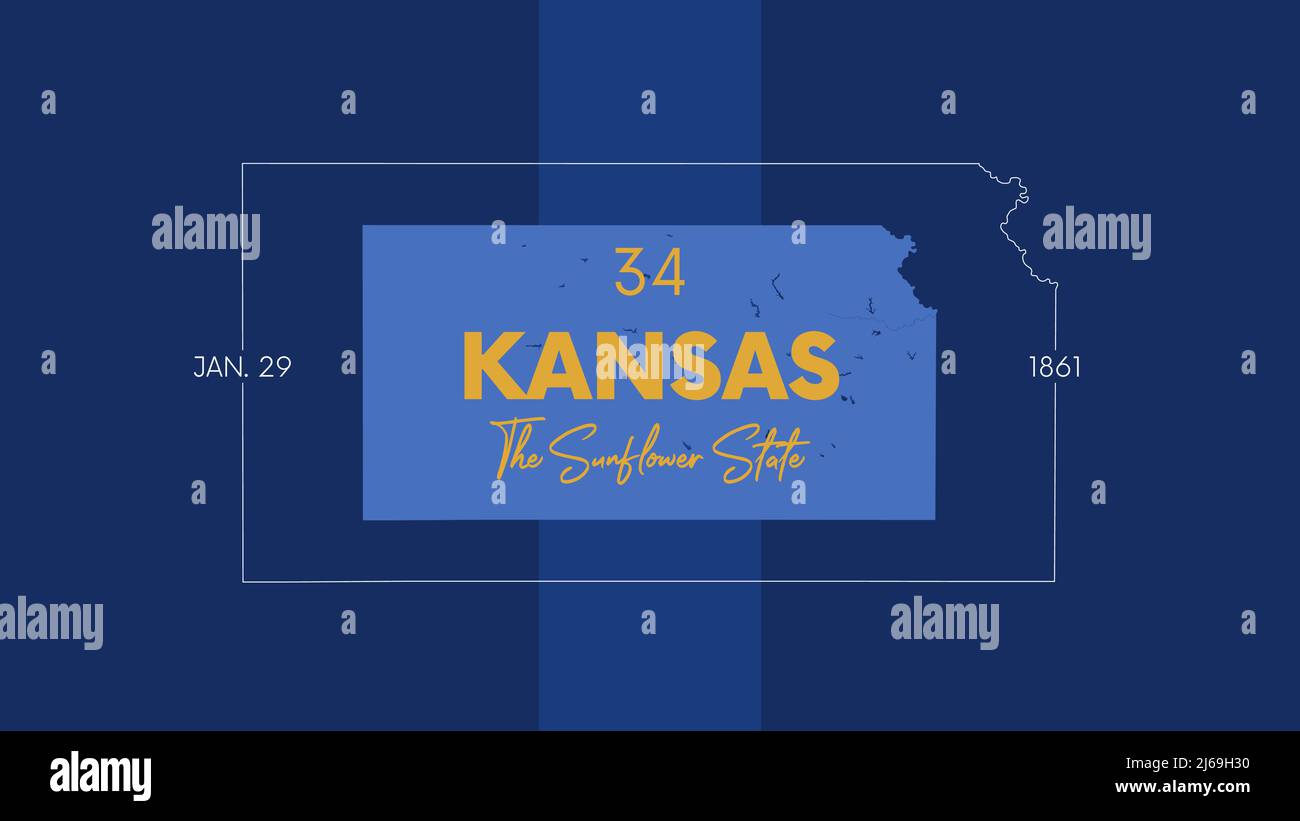
Kansas State Symbols Facts At Lewis Pilcher Blog 1000 F 420344105 Kansas Flag Facts Maps Points Of Interest Britannica Kansas 34 Of 50 States Of The United States With A Name Nickname And Date 34 Of 50 States Of The United States With A Name Nickname And Date Admitted To The Union Detailed Vector Kansas Map For Printing Posters Postcards 2J69H30 Map Of The State Of Kansas USA Nations Online Project 49 OFF 91kq6KIU6EL
Kansas Becomes 34th State Mystic Stamp Discovery Center USA 1183 84510 1024x649 US History 1861 2013 Timeline Timetoast TimelinesThe State Of Kansas Is Highlighted In Red Blue Map Of The United The State Of Kansas Is Highlighted In Red Blue Map Of The United States Divided Into Separate States Map Of The Usa Split Into Individual States T48R82 Us State Kansas Map Hi Res Stock Photography And Images Alamy Kansas Ks Political Map With Capital Topeka Important Rivers And Lakes State In The Midwestern United States Of America The Sunflower State 2H5J64M
Kansas Becomes A State PPT Kansas Standards For History Government And Social Studies Kansas Entered The Union As A Free State January 29 1861 L Series Of The Civil War Timeline Timetoast TimelinesKs Map Hi Res Stock Photography And Images Alamy Kansas Ks Highlighted On A Contour Map Of Usa United States Of America CXXGEW