Are you grappling with how to genuinely boost employee performance and foster a thriving workplace? Do you wonder what sets high-achieving organizations apart in todays fast-paced United States market? This comprehensive performance management guide offers clarity, demystifying the essential practices for creating an environment where individuals and teams not only meet but exceed expectations. We explore how to move beyond outdated annual reviews, embracing a dynamic, continuous approach that truly engages your workforce. Discover the actionable strategies that empower managers, encourage growth, and align individual contributions with overarching business goals, ensuring your organization stays competitive and agile. This resource addresses the pressing need for effective strategies in employee development, feedback mechanisms, and goal alignment, proving invaluable for any leader or HR professional looking to elevate their teams potential. Unlock the secrets to building a high-performance culture that resonates throughout your entire operation, transforming potential into palpable results for everyone involved.
Are you scratching your head, wondering what truly constitutes effective performance management in todays dynamic workplace, and how it can genuinely uplift your teams spirit and output? Many organizations, particularly here in the United States, grapple with this fundamental question: How can we build a system that not only assesses but also actively cultivates individual and collective excellence? This ultimate performance management guide aims to clarify these pressing concerns, exploring the who, what, when, where, why, and how of transforming potential into palpable success. We will delve into how to construct a robust framework that continuously supports and motivates your employees, ensuring every step they take aligns with your organizational vision. Why is this so crucial right now? Because a truly impactful performance management system moves beyond mere annual appraisals; it’s a living, breathing process that champions ongoing dialogue, meaningful development, and transparent goal setting, acting as the very heartbeat of a thriving, productive culture for everyone involved.
The Core Elements of a Modern Performance Management Guide
So, what exactly defines a contemporary approach to performance management, and why should your organization embrace it? A modern performance management guide isnt just about rating employees; its a strategic framework designed to align individual efforts with organizational goals, fostering continuous growth and engagement. Who benefits from this comprehensive approach? Everyone, from individual contributors seeking clarity on their path and purpose, to managers aiming to inspire their teams, and ultimately, the entire organization striving for sustained success. What are the essential components we should be focusing on to make this a reality? This includes robust goal-setting that provides a clear roadmap, regular and constructive feedback that offers immediate insights, and developmental opportunities that empower employees to expand their skills and take on new challenges. Where does this process typically unfold? It integrates seamlessly into daily operations, not just relegated to a once-a-year event, creating a culture where open communication and growth are the norm. When should these practices be implemented? Continuously, making feedback a routine rather than an exception, transforming performance discussions into ongoing coaching sessions. How can we ensure this approach is truly effective and embedded within our culture? By understanding that performance management is less about policing and more about partnering, helping each person reach their highest potential.
Setting Clear Goals: A Foundation for Any Performance Management Guide
When it comes to building a high-performing team, where do you even begin, and why is goal setting such a critical first step in any performance management guide? Picture this: a team without clear objectives is like a ship without a compass, adrift and uncertain of its destination. Who needs to be involved in this crucial process? Both managers and employees should collaborate, creating a shared understanding and ownership of objectives. What kind of goals are most effective in driving performance? They need to be SMART—Specific, Measurable, Achievable, Relevant, and Time-bound—providing a clear target and a pathway to reach it. When should these goals be established and reviewed? They should be set at the beginning of a cycle, whether quarterly or annually, and then regularly revisited and adjusted as circumstances evolve, ensuring they remain pertinent and motivating. How do these clear objectives impact daily work and overall morale? By giving employees a tangible purpose, they understand exactly what is expected of them, where their efforts fit into the larger picture, and how their contributions directly fuel the organizations success. Where can we find examples of great goal-setting? Look to organizations that foster open dialogue and provide resources for employees to align their personal development with company objectives, creating a dynamic environment where everyone understands their role and why it matters, ultimately leading to greater engagement and productivity across the board.
The Power of Continuous Feedback in Your Performance Management Guide
Why has continuous feedback emerged as a cornerstone of any effective performance management guide, particularly in the fast-paced United States business environment, and how does it truly transform employee development? Gone are the days when feedback was a once-a-year, often anxiety-inducing, event. What has replaced this outdated model? A culture of ongoing, immediate, and constructive communication that empowers employees to adjust and improve in real-time. Who is responsible for delivering this feedback effectively? Everyone plays a role, from managers providing regular coaching to peers offering insights, and even employees seeking feedback actively. When should feedback be given? As close to the action as possible, making it timely and relevant, rather than waiting for a formal review period where details might be forgotten or become irrelevant. Where can this feedback be delivered? Through informal check-ins, dedicated one-on-one meetings, or even integrated into project reviews, making it a natural part of the workday. How does this consistent dialogue benefit both the individual and the organization? It fosters a sense of psychological safety, encourages transparency, and accelerates skill development, ensuring that challenges are addressed proactively and successes are recognized promptly, creating a supportive environment where everyone feels valued and understood, driving better results and a stronger team dynamic.
Developing Talent Through a Comprehensive Performance Management Guide
How does a truly impactful performance management guide go beyond mere evaluation, actively focusing on developing the talent within your organization, and why is this investment so crucial for long-term success? It’s not enough to simply identify areas for improvement; the real magic happens when organizations commit to nurturing their employees’ potential. Who primarily drives this developmental aspect? While HR and learning and development teams certainly play a pivotal role, ultimately, its the managers who act as frontline coaches, guiding their team members. What kinds of developmental opportunities should be integrated? These can range from formal training programs and workshops to mentorships, stretch assignments, cross-functional projects, and access to online learning platforms, all tailored to individual needs and career aspirations. When is the best time to discuss development plans? Regularly, during performance reviews, one-on-ones, and career planning sessions, ensuring that growth is an ongoing conversation, not an afterthought. Where do these developmental activities take place? They can be internal, external, or even on-the-job experiences, leveraging every opportunity for learning. Why is focusing on talent development so important for the organization? It not only boosts employee morale and retention but also builds a resilient, adaptable workforce capable of navigating future challenges and driving innovation, ensuring that the organization always has the skills it needs to thrive.
Effective Performance Reviews: A Segment of Your Performance Management Guide
When you think about performance reviews, what immediately comes to mind, and how can your performance management guide help transform them from dreaded events into genuinely valuable conversations? Many people recall past experiences filled with anxiety or a sense of unfairness, but it doesnt have to be that way. Why are these reviews still important, despite the shift to continuous feedback? They serve as crucial checkpoints, allowing for a holistic reflection on past performance, a consolidation of feedback, and a formal planning session for future development. Who should conduct these reviews, and what is their primary role? Typically, the direct manager conducts the review, acting as a facilitator for an open dialogue, not just a judge. What should be discussed during these formal meetings? A summary of achievements against goals, areas for improvement, developmental progress, and future aspirations, ensuring a balanced perspective. When should these reviews take place? While continuous feedback happens daily, formal reviews often occur annually or semi-annually, providing a structured time for in-depth discussion. How can we ensure these conversations are truly effective and motivating? By focusing on dialogue, mutual understanding, and forward-looking action plans, rather than just past mistakes, creating an empowering experience that reinforces trust and commitment between the employee and the organization, leading to more productive outcomes for everyone involved.
Leveraging Technology in Your Performance Management Guide
Have you ever considered how technology can revolutionize your approach to performance management, and why is it no longer just a nice-to-have but an absolute necessity for any comprehensive performance management guide? In an era where data drives decisions and efficiency is paramount, manual processes often fall short, becoming cumbersome and less effective. What role does technology play in streamlining these critical functions? Performance management software platforms offer robust solutions for goal tracking, real-time feedback collection, 360-degree reviews, skill assessments, and even personalized learning recommendations. Who benefits most from these technological advancements? Managers gain deeper insights into team performance, employees receive timely and targeted feedback, and HR professionals can track trends and ensure compliance with greater ease. When should an organization consider implementing or upgrading its performance management technology? When manual processes become overwhelming, feedback loops are slow, or theres a desire for more data-driven insights into talent development and engagement. Where can these platforms be accessed? Typically through cloud-based solutions, making them accessible from anywhere, fostering flexibility and remote work capabilities. How does integrating technology ultimately enhance the entire performance management process? It not only automates administrative tasks, freeing up valuable time for strategic initiatives, but also provides a centralized, transparent system that fosters fairness, consistency, and a culture of continuous improvement, making everyones journey more efficient and impactful.
| Component | Description | Benefits | Frequency |
|---|---|---|---|
| Goal Setting | Collaboratively define clear, measurable objectives aligned with organizational strategy. | Clarity, direction, motivation, accountability. | Annually/Quarterly, reviewed ongoing. |
| Continuous Feedback | Regular, timely, and constructive dialogue on performance and development. | Real-time adjustments, skill development, stronger relationships. | Daily/Weekly (informal), Bi-weekly (formal check-ins). |
| Performance Reviews | Structured discussions summarizing past performance and planning future growth. | Holistic reflection, formal documentation, career planning. | Annually/Semi-annually. |
| Talent Development | Providing opportunities for skill enhancement and career progression. | Employee growth, retention, building future leaders. | Ongoing, integrated with feedback and reviews. |
| Recognition & Rewards | Acknowledging and celebrating employee achievements and contributions. | Motivation, engagement, positive culture, retention. | As deserved, ongoing, formal programs. |
| Technology Integration | Utilizing software platforms to streamline processes and gather insights. | Efficiency, data analytics, transparency, accessibility. | Continuous use, periodic updates. |
Cultivating a High-Performance Culture with Your Performance Management Guide
Ultimately, why should any organization invest so much energy into a detailed performance management guide, and how does it culminate in creating a vibrant, high-performance culture that resonates through every corner of the business? Its not just about ticking boxes; its about building an ecosystem where excellence is not an aspiration but a lived reality, a shared value that propels everyone forward. What defines such a culture? It’s characterized by psychological safety, where individuals feel comfortable taking risks and sharing ideas, alongside a strong emphasis on accountability, continuous learning, and mutual respect. Who is responsible for fostering this environment? While leadership sets the tone, every single employee contributes to its maintenance through their actions, interactions, and commitment to the collective vision. When does this culture truly take root? It’s a gradual process, built incrementally through consistent application of fair processes, transparent communication, and genuine investment in employee well-being and growth. Where do we see the tangible benefits of a high-performance culture? In improved employee retention, higher productivity, greater innovation, and ultimately, enhanced business outcomes, creating a powerful competitive advantage. How does our performance management guide act as the blueprint for this transformation? By providing the tools, structures, and mindset necessary for individuals and teams to thrive, it empowers everyone to contribute their best, fostering a workplace where success is not just achieved, but celebrated, creating a lasting legacy of achievement for all.
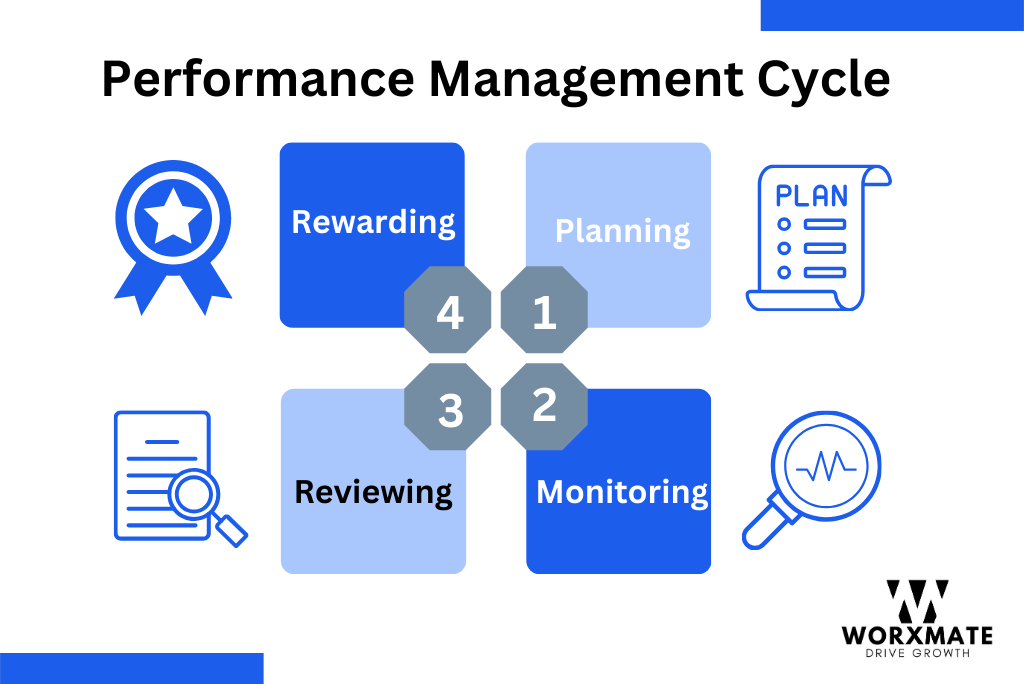
Summary Question and Answer: What are the critical steps to implement an effective performance management guide? To implement an effective performance management guide, organizations must establish clear goals, provide continuous feedback, invest in talent development, conduct meaningful performance reviews, and leverage technology to streamline the entire process, all while fostering a culture of high performance and mutual respect.
keywords: performance management guide, employee performance, continuous feedback, goal setting, performance reviews, talent development, HR strategies, workplace productivity, employee engagement, leadership development, United States business, organizational success, employee growth, modern performance management, performance management system, feedback culture, developmental plans, performance management software, high-performance culture, psychological safety, accountability, innovation, business outcomesContinuous feedback mechanisms, goal alignment strategies, employee development plans, effective performance reviews, fostering a high-performance culture, and leveraging technology in performance management are the core elements discussed in this guide. We explore how to move from traditional, often dreaded, performance evaluations to a dynamic, empowering system that drives growth and engagement across the organization. Practical, actionable advice is provided for implementing these strategies within any business context, aiming to boost productivity and employee satisfaction alike.
What Is Performance Management The Complete Guide AIHR Performance Management Template 245x300 Jigya S Performance Management Guide Jigya Performance Management Guide Jigya A How To Guide For Performance Management Performance Management 1024x861
A Guide To Performance Management PDF PDF Performance Management 169205998413 Performance Management Strategies To Implement In 2026 AIHR Performance Management Strategies 13 Examples To Implement Blog 1024x1024 Your Guide To Developing A Performance Management Cycle Performance Management Cycle2 01 Performance Management Cycle A Quick Guide For Success Performance Management Cycle 1
Performance Management Guide For Employers Insight HR HR Blog Featured Images 24 980x653 11 HR Best Practices You Need To Prioritise In 2024 Performance Management Guide EN Thumbnail Scaled Performance Management Guide HR Practices PrinciplesPerformance Management Category ZingHR Performance Management Strategies Blog
4 Steps To Navigate Performance Management PrestigePEO 071323 4 Fundamental Steps Featured Image Performance Management A Guide From UpRaise Best Practices Performance Management 2.webpThe Guide To Effective Performance Management Bonusly ChecklistGuide To Performance Management 2023 PDF Performance Appraisal 1720984406
Performance Management Guide Your Ultimate Free Download Performance Management GuideGuide To Performance Management Boost Employee Efficiency Performance Management Guide To Boost Employee Efficiency What Is Performance Management A Full Guide AIHR What Is Performance Management Performance Management Guide Your Ultimate Free Download Performance Management Guide.webp
5 Essential Performance Management Templates For A Thriving Workforce Performance Management Template Blog 300x300 20 Performance Management Best Practices Your Ultimate List UpRaise Performance Management Best Practices 2Top 10 Continuous Performance Management PowerPoint Framework For Operational Performance Management Slide01 A Guide To The Performance Management Cycle 4 Phase Of Performance Mnagement Cycle
The Definitive Guide To Performance Management BambooHR Media BPP ACCA PM Performance Management WORKBOOK 2025 2026 700x700 The Performance Management Cycle Guide For HR 56ec43ad What Is Performance Management The Complete Guide For 2025 What Is Performance Management Complete Guide For 2025
Performance Management HRM3706 Study Guide PDF Performance 1Retention Bonus Factors Checklist For Success Personio EN Thumbnail Performance Management Guide Flipbook By Crystal Lopez2 FlipHTML5 Shot Performance Management Guide HR Practices Principles
Performance Management Guide Performance MGMT Guide Thumb 1 300x169 The Ultimate Guide To Performance Management The Ultimate Guide To Performance Management Continuous Performance Management Guide Real Examples Continuous Performance Management 1 Performance Management Guide PDF Performance Management 1673639447